Apply Online
Contact Us
Book a Tour
logo
Apply Online

Apply Online

Contact Us

Contact Us

Book a Tour

Book a Tour

At Marymede Catholic College, we offer a diverse range of subjects designed to inspire curiosity, nurture individual strengths, and support the aspirations of every student. This guide showcases the elective subjects available from Years 8 to 12, providing students and families with the information needed to make informed decisions about future learning pathways. Students can explore a broad curriculum that caters to a variety of interests, talents, and career ambitions. Whether their goals include university study, vocational education and training, apprenticeships, or entering the workforce, our subject offerings empower students to pursue their passions, develop their skills, and build a pathway towards a successful and fulfilling future.

To see the full curriculum overview, please visit:

Subject Selection Guide

Year 8 Core Studies (Semester Based)

Year 8 Visual Art 2 D c

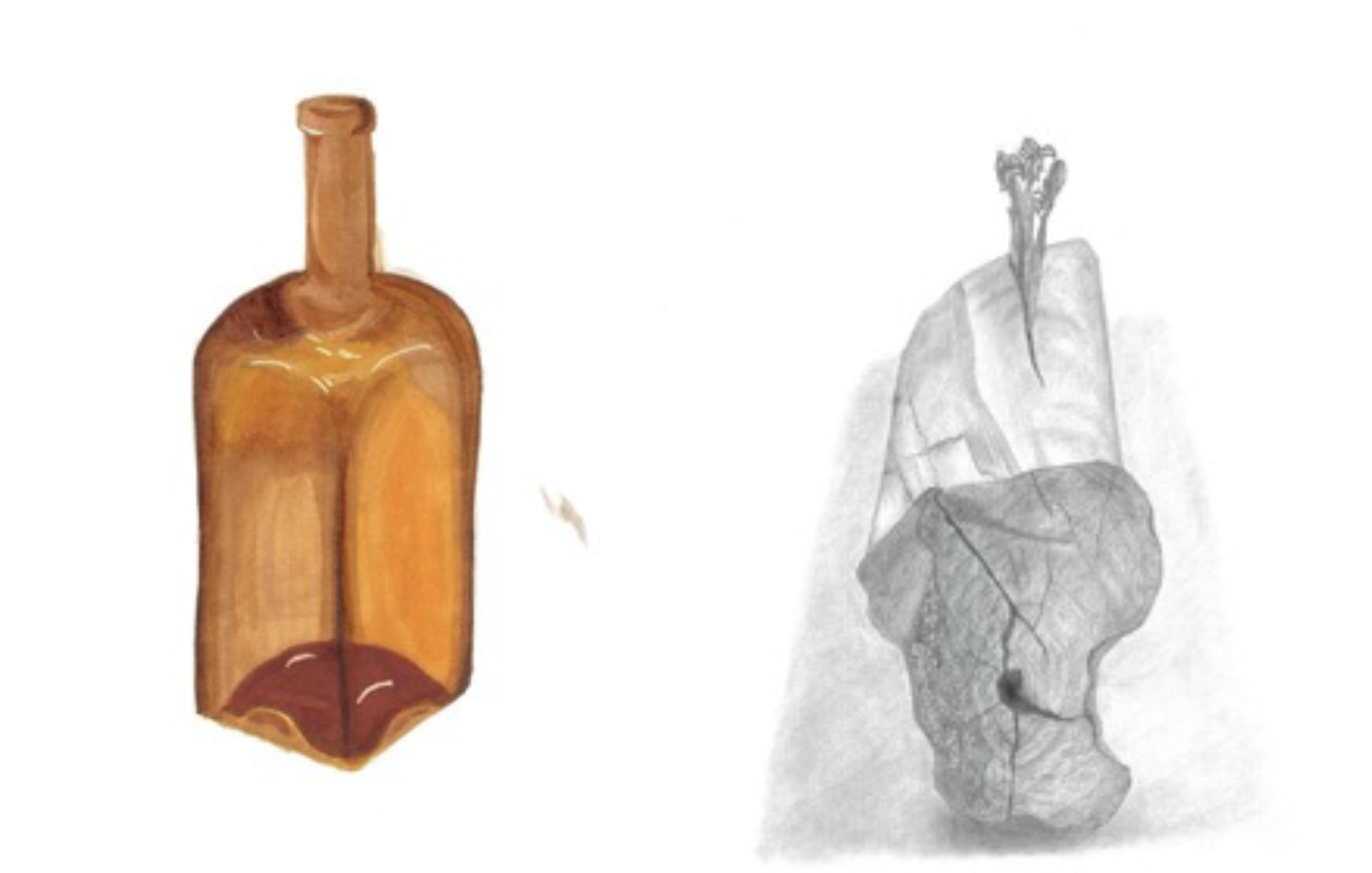
Visual Arts (2D)

Arts Core Study

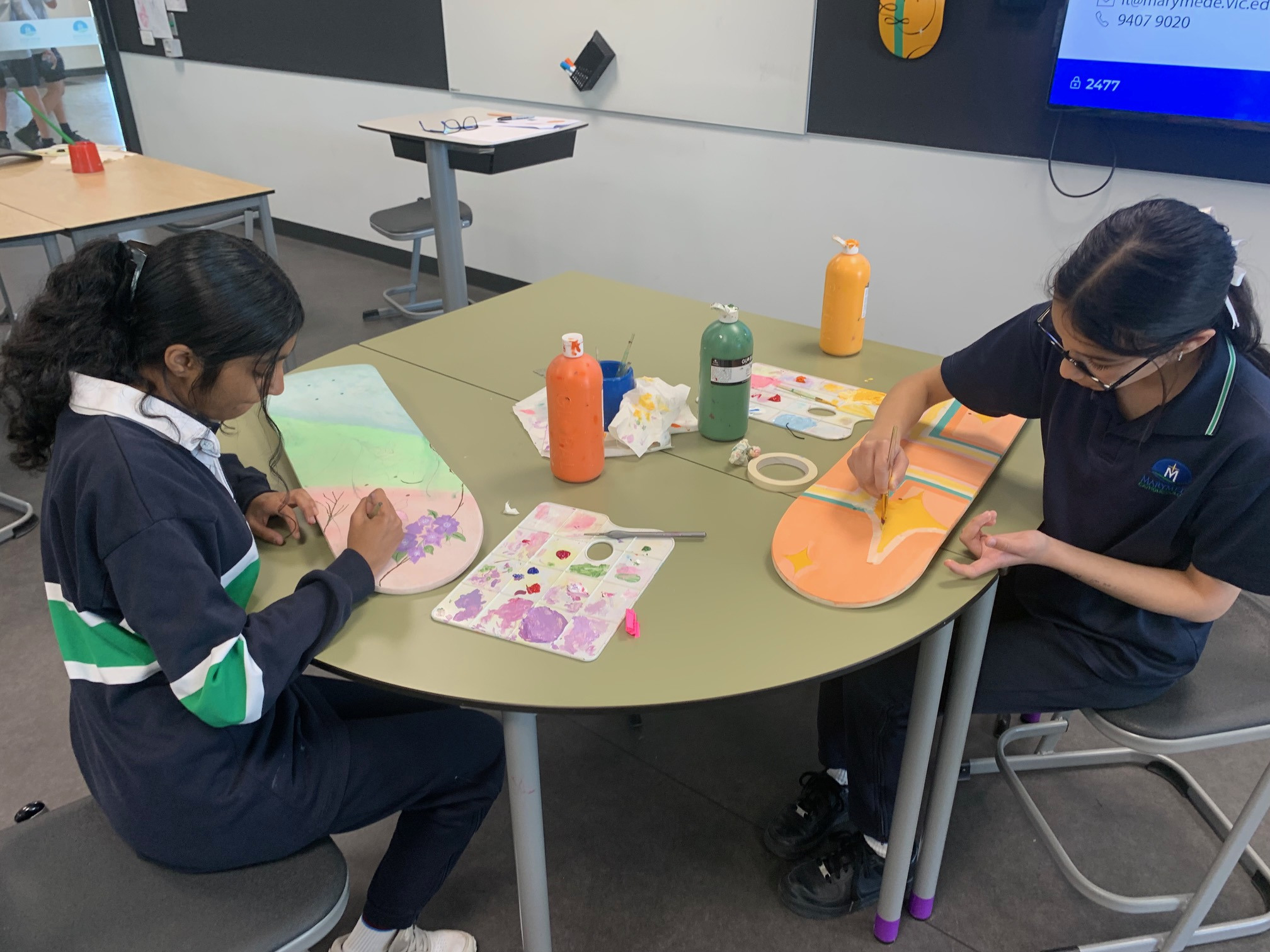
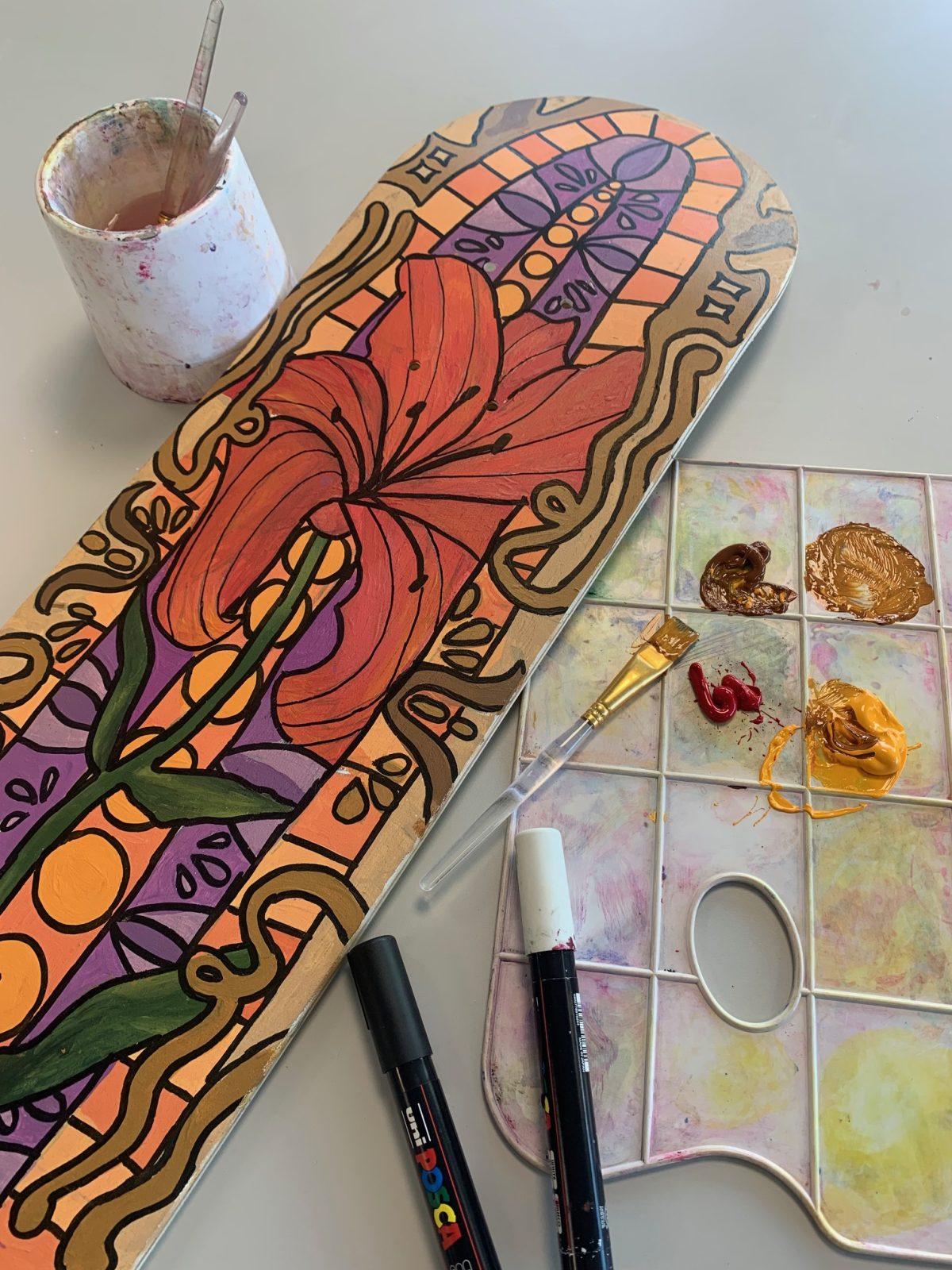
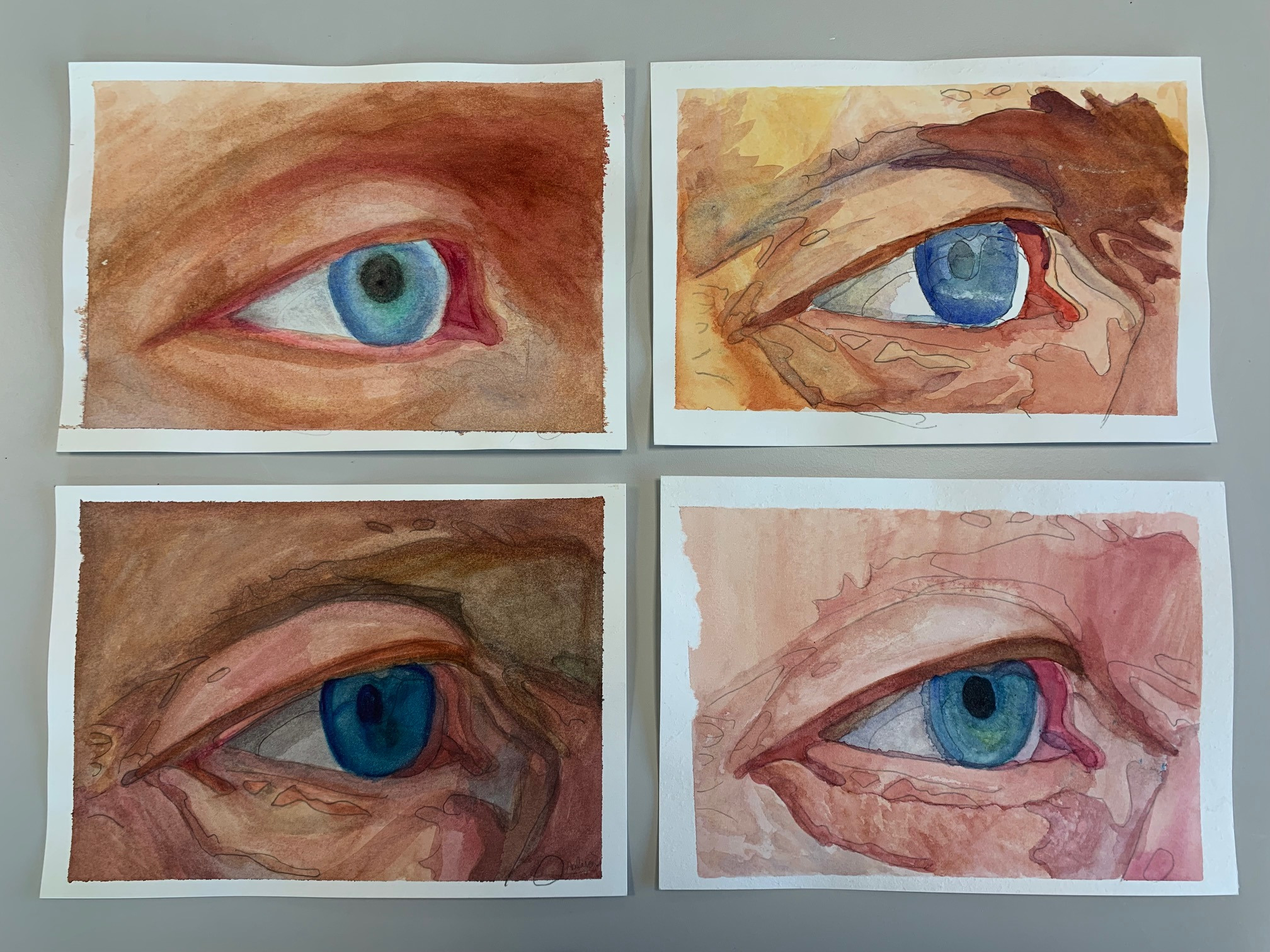
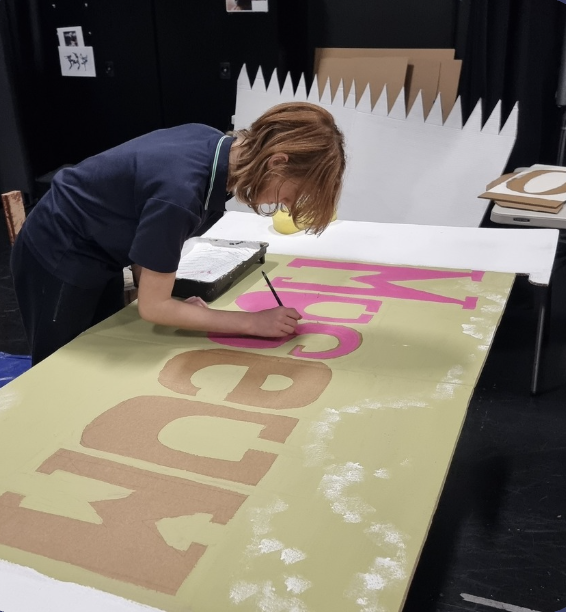
The Year 8 Visual Arts (2D) course, aligned with the Victorian Curriculum, develops students’ skills and understanding through drawing, painting, printmaking and mixed media. Students engage in practical and theoretical learning to explore and express ideas, develop studio practices, and respond to artworks.

Students investigate how artists use visual conventions such as line, shape, colour, texture, tone and composition to communicate meaning. Through structured activities, they experiment with materials, techniques and processes to develop personal ideas and build confidence in creative decision-making. Emphasis is placed on practising, refining and resolving artworks.

The course encourages exploration of imaginative and socially relevant themes. Students use a visual diary to document their process, including research, experimentation and reflection, supporting critical and creative thinking. They are encouraged to take creative risks and respond to feedback.

Students also analyse artworks from historical, cultural and contemporary contexts, including Aboriginal and Torres Strait Islander art, to understand how meaning is shaped.

Assessment includes visual diary work, finished artworks and written or verbal analysis. By the end of the course, students apply visual conventions, demonstrate techniques, and explain how artists communicate meaning.

Types of Assessment

  • Journal
  • Formative Task
  • Artist research Task
  • Final Artwork

Key Information

The subject requires students to be critical thinkers and passionate creatives

next-icon LEARN MORE
8 Code AI Cyber

Code, AI & Cyber

Design Technologies Core Study

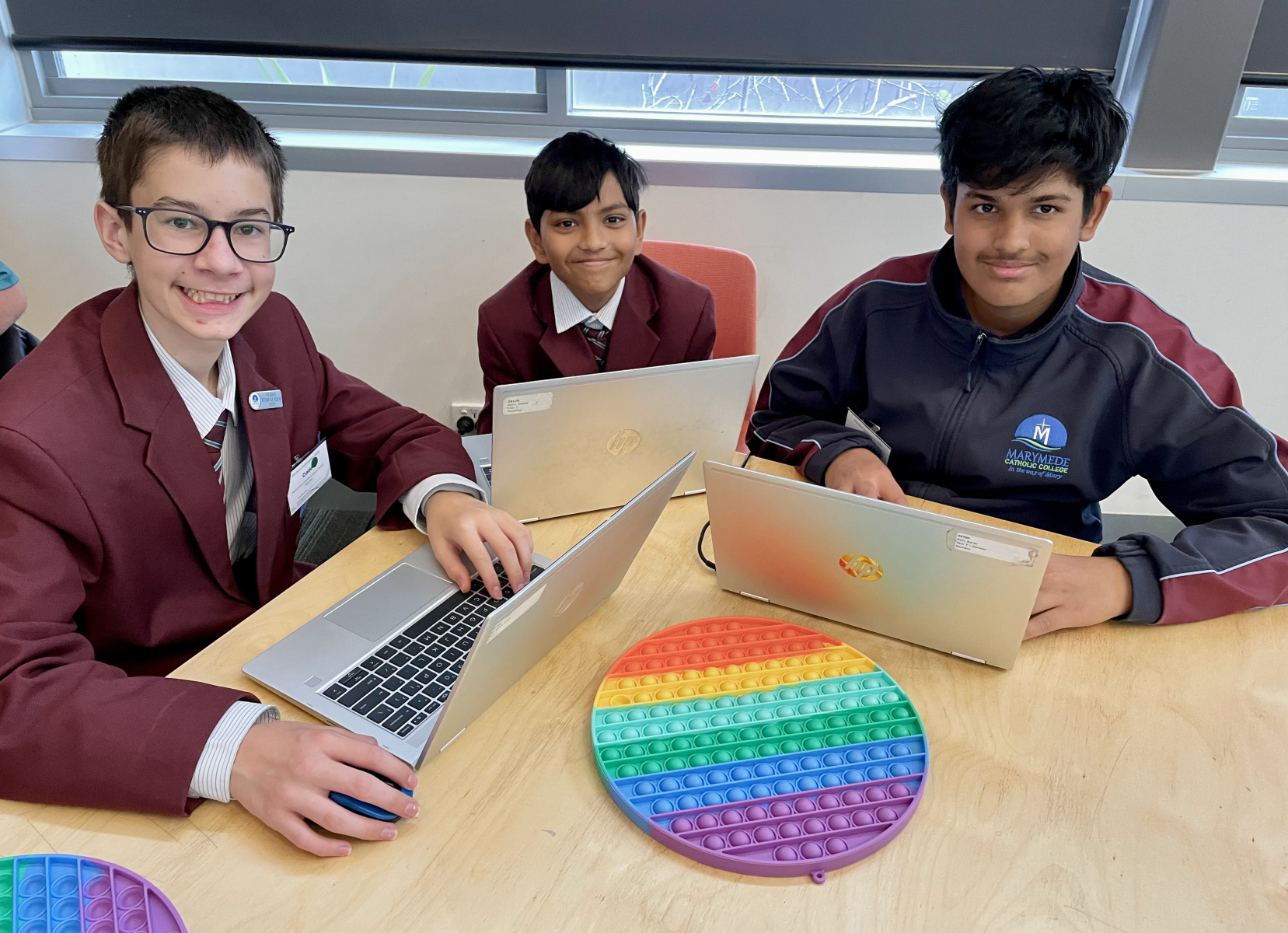
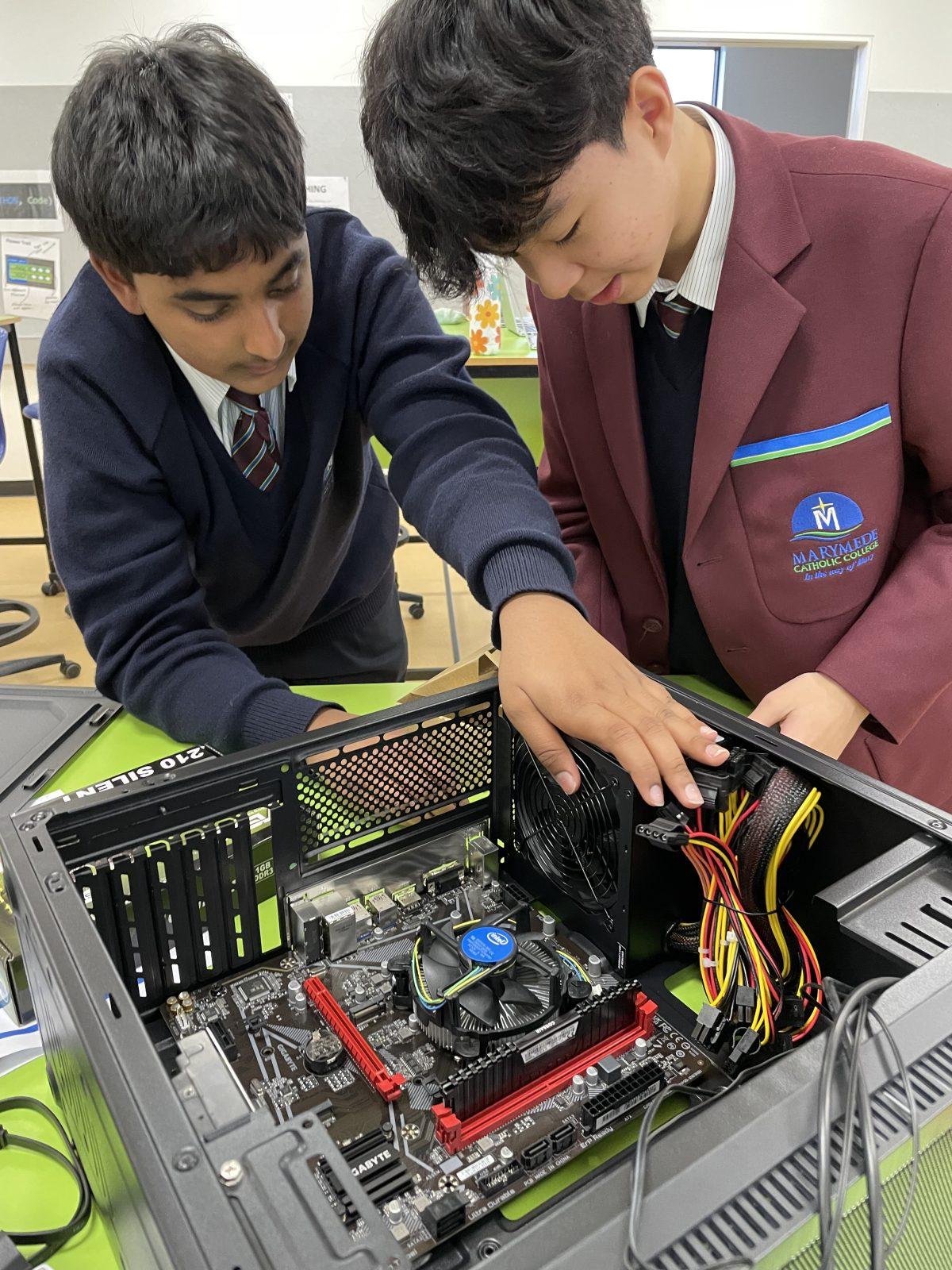
This course builds students’ skills in coding, problem solving and emerging technologies through hands-on learning. Students develop their programming using Python, completing a graphics workbook and coding challenges.

They extend their skills by transforming micro:bit block code into Python using procedural coding. Students also explore key areas shaping the future of technology, including artificial intelligence, cyber security and 3D design and printing.

Types of Assessment

  • Coding Tasks
  • Project Based Application Tasks
next-icon LEARN MORE

Year 8 General Elective Studies

Yr 8 Food Studies Scones

Food Studies

Design Technologies Elective Study

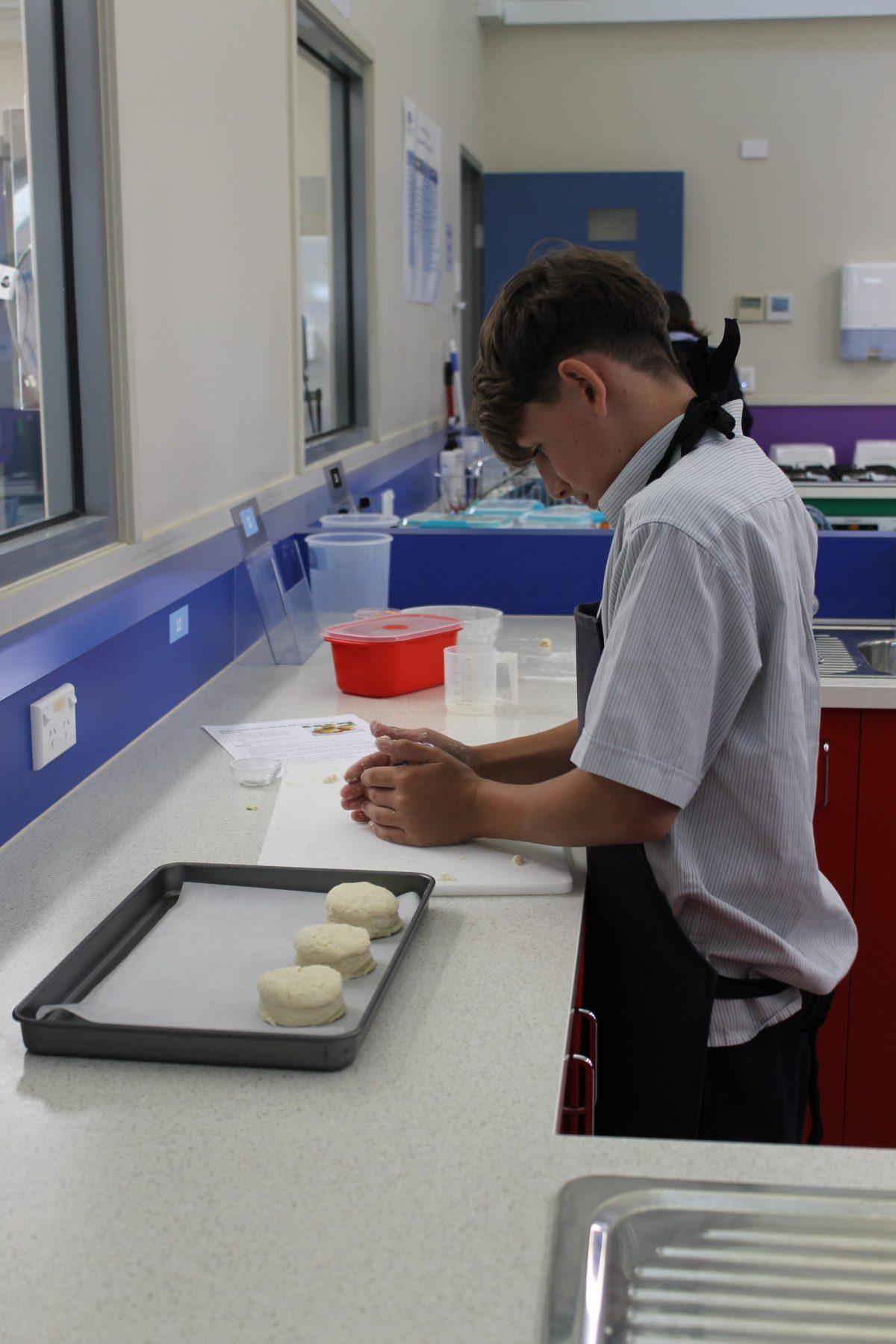
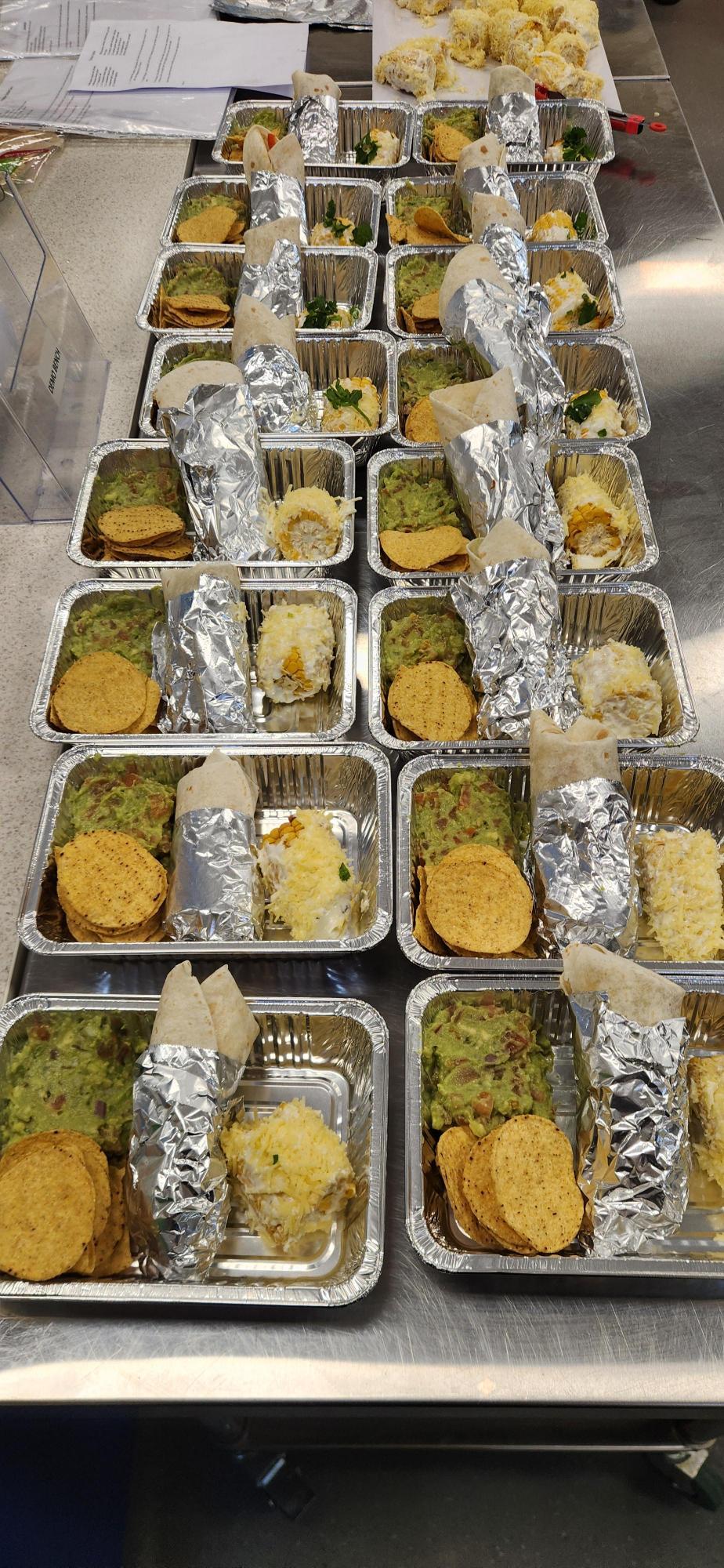
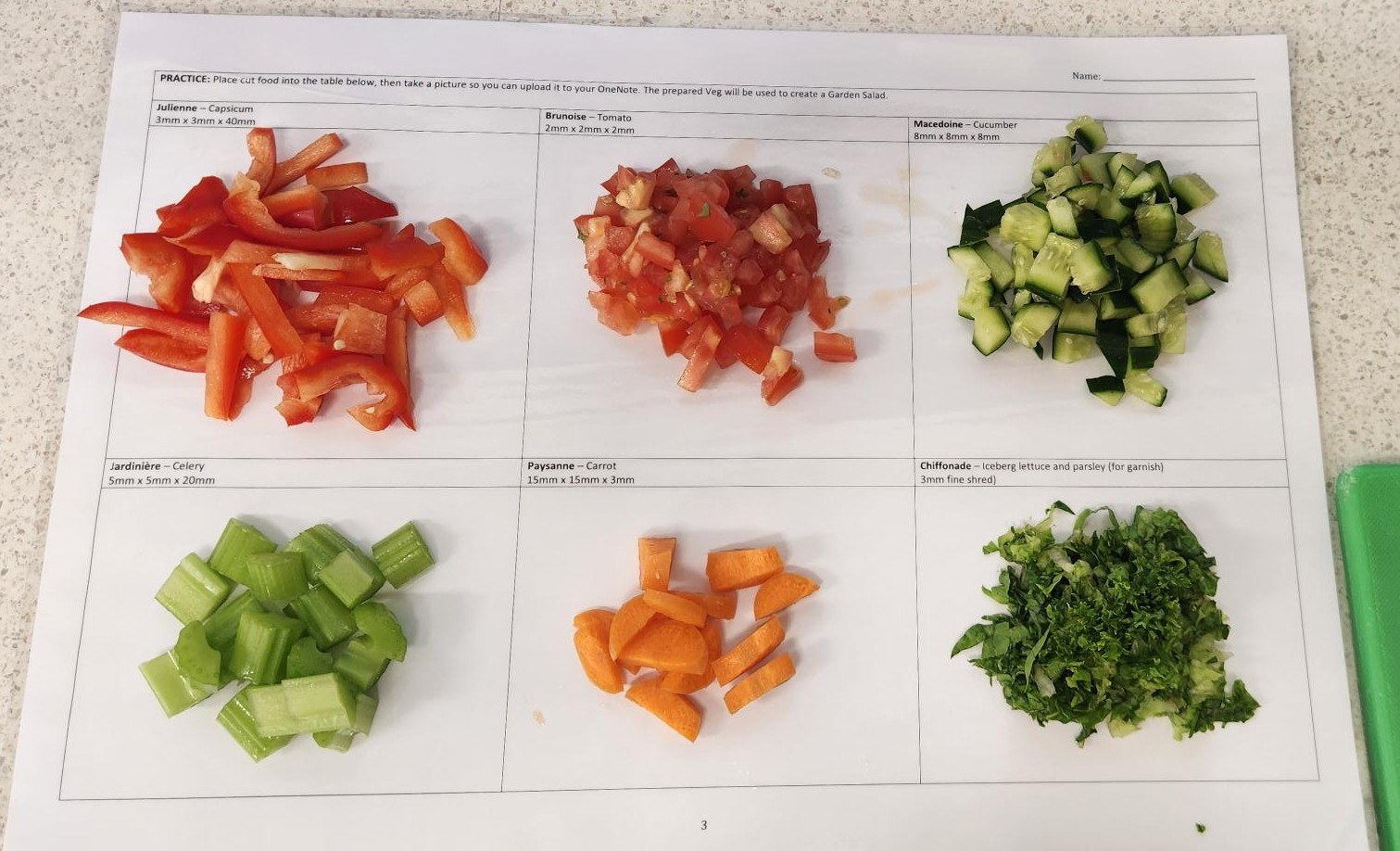
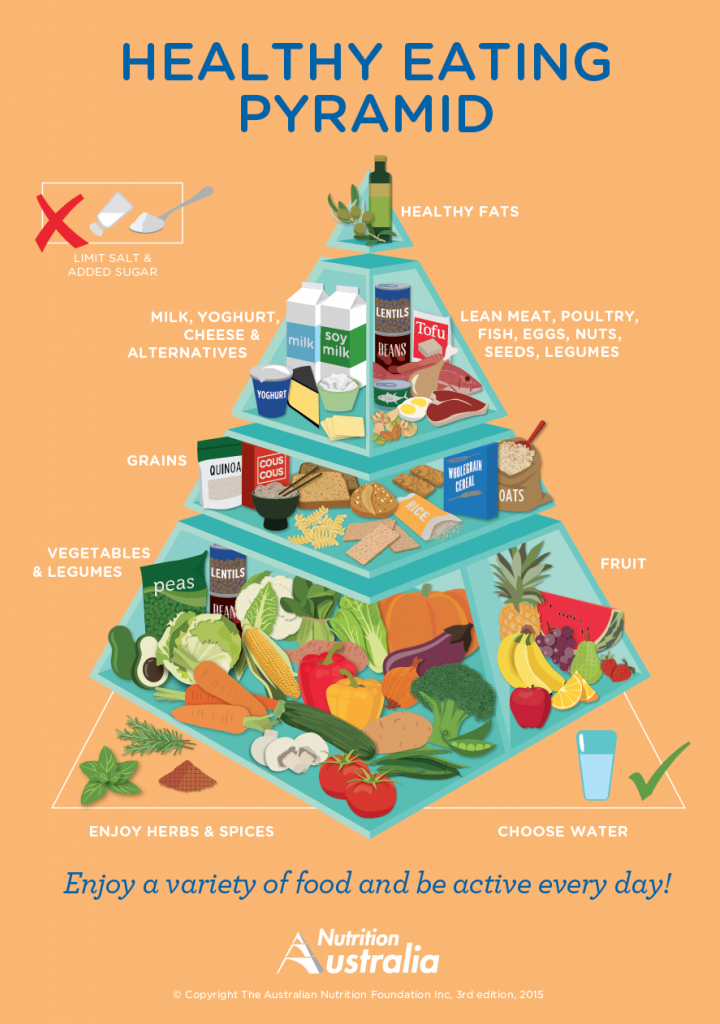
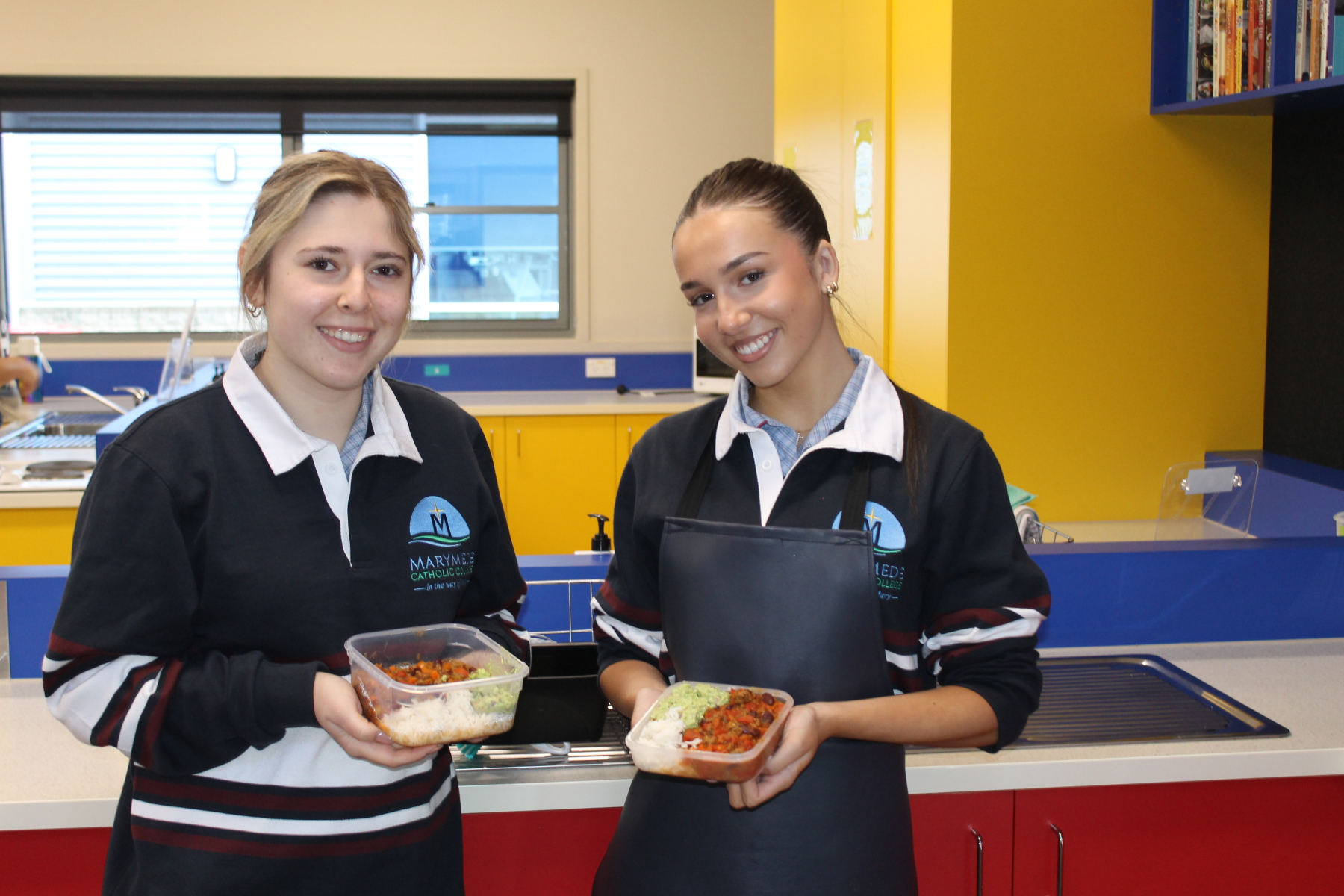
In Year 8 Food Studies, students build on their Year 7 skills while exploring exciting new ideas about food, health, and culture. This hands-on subject gives students the chance to cook, experiment, and develop practical kitchen skills while learning how to make healthy choices for lifelong wellbeing. A key focus is discovering how Aboriginal and Torres Strait Islander peoples use native Australian ingredients, including preparing traditional foods and exploring their health benefits. Students will have the opportunity to cook with unique native flavours and broaden their understanding of Australia’s rich food heritage. They apply their learning through the design process to plan, produce and evaluate a healthy family meal.

Types of Assessment

  • Sensory Analysis
  • Practical Tasks
  • Design Folio with theory and practical tasks
next-icon LEARN MORE
Year 8 Textiles Emoji pillow 7

Non-resistant (Textiles)

Design Technologies Elective Study

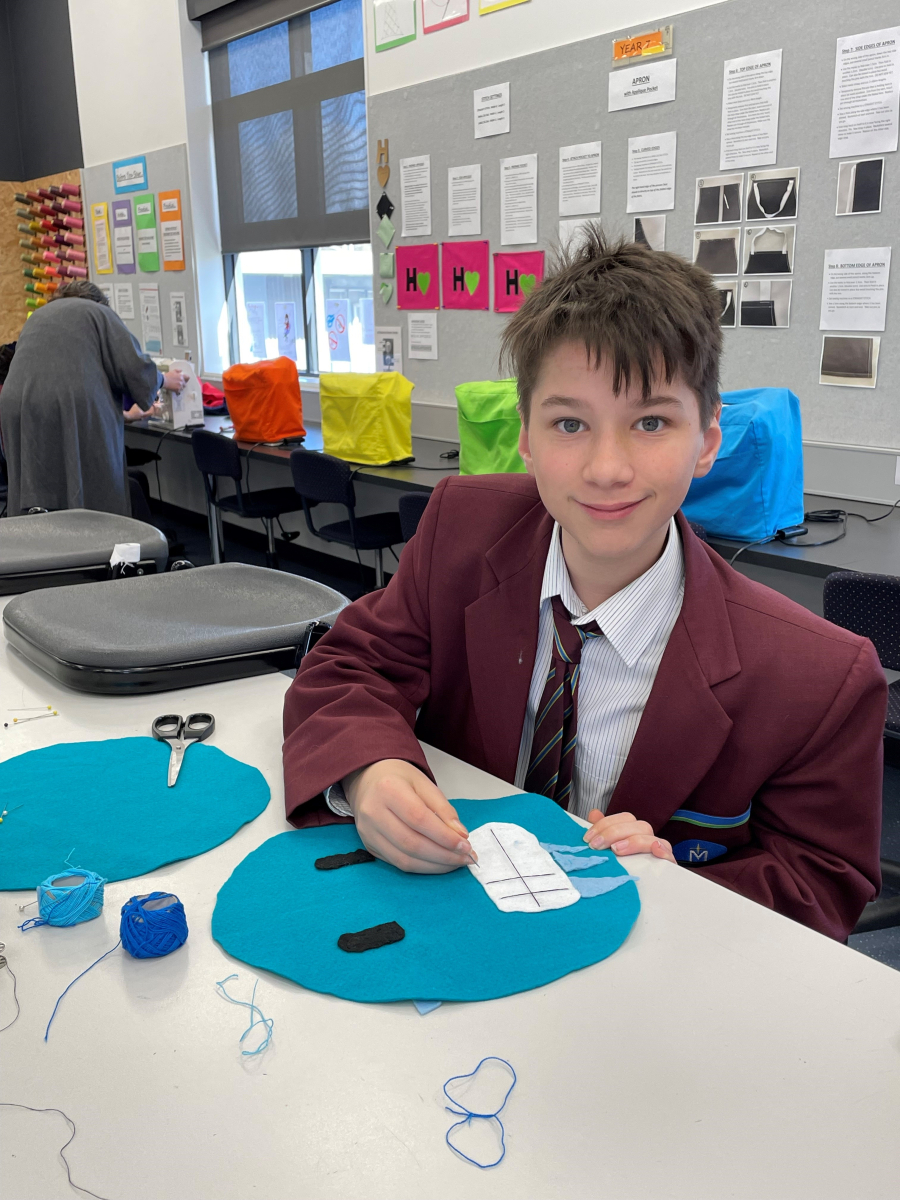
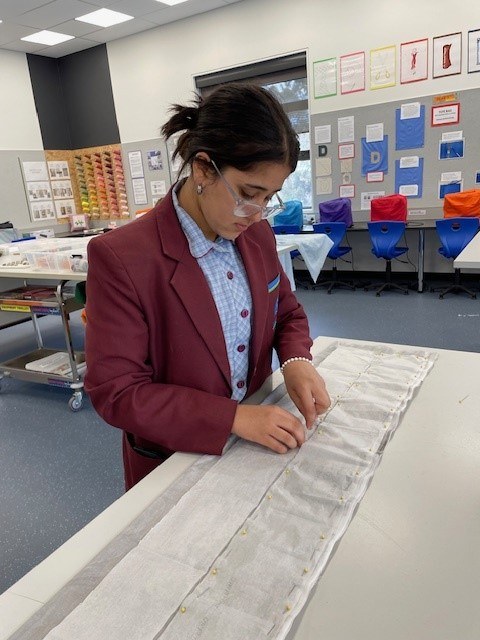
In this hands-on subject, students use the design process to define, design, and evaluate solutions to real design challenges. They will research, design, and create an emoji pillow incorporating an electronic circuit and LED lights, combining creativity with basic technology skills. Students will also build on their Year 7 sewing experience by designing and constructing a pair of shorts, while learning about garment construction, fabric types, and practical production skills.

Types of Assessment

  • Design Folios and Products
  • Research Investigation
next-icon LEARN MORE
Yr 8 wood

Resistant (Wood)

Design Technologies Elective Study

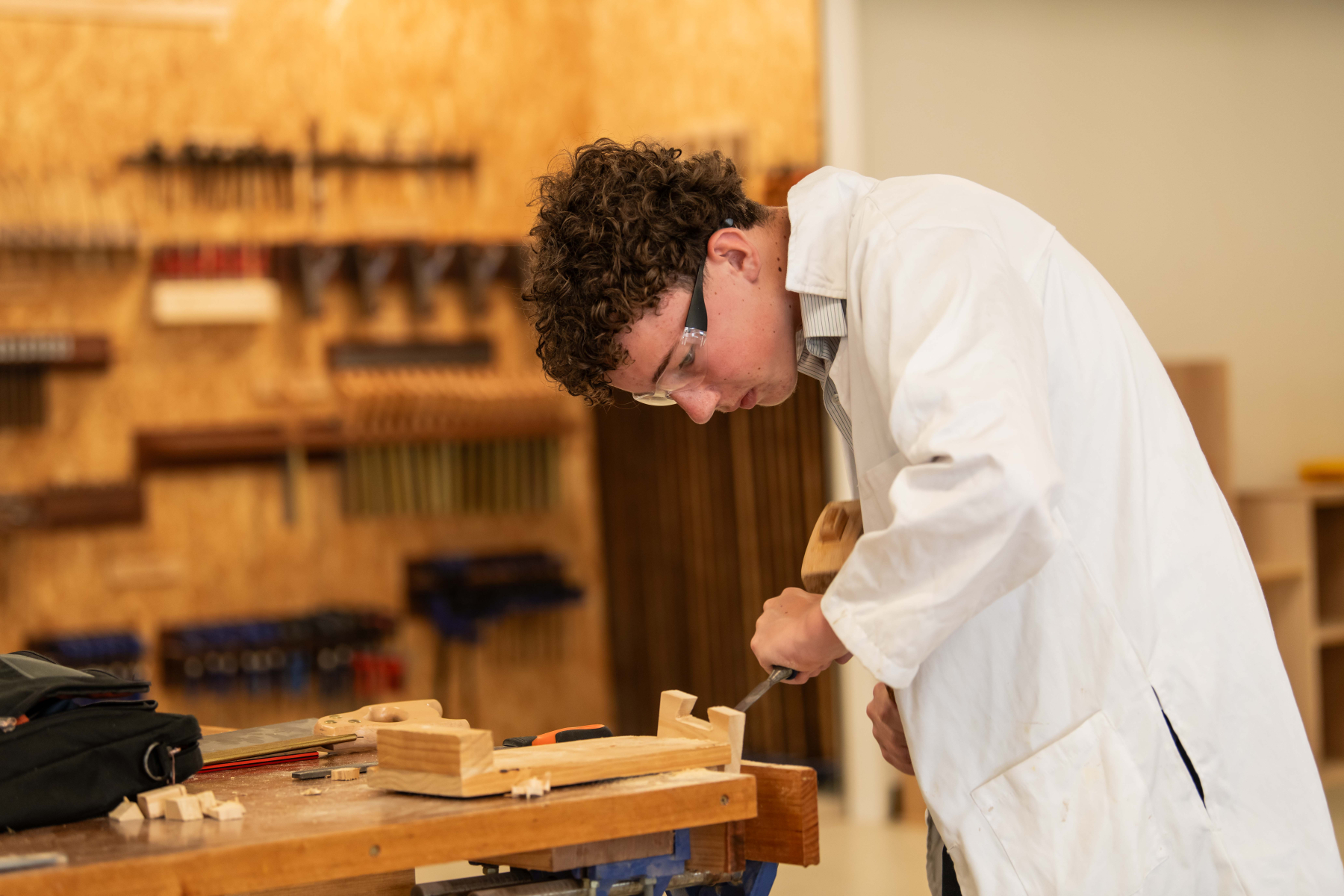
Students develop foundational skills in woodworking, design, and production through hands-on projects. They build an understanding of workshop safety and responsible tool use through a Work Safe Portfolio.

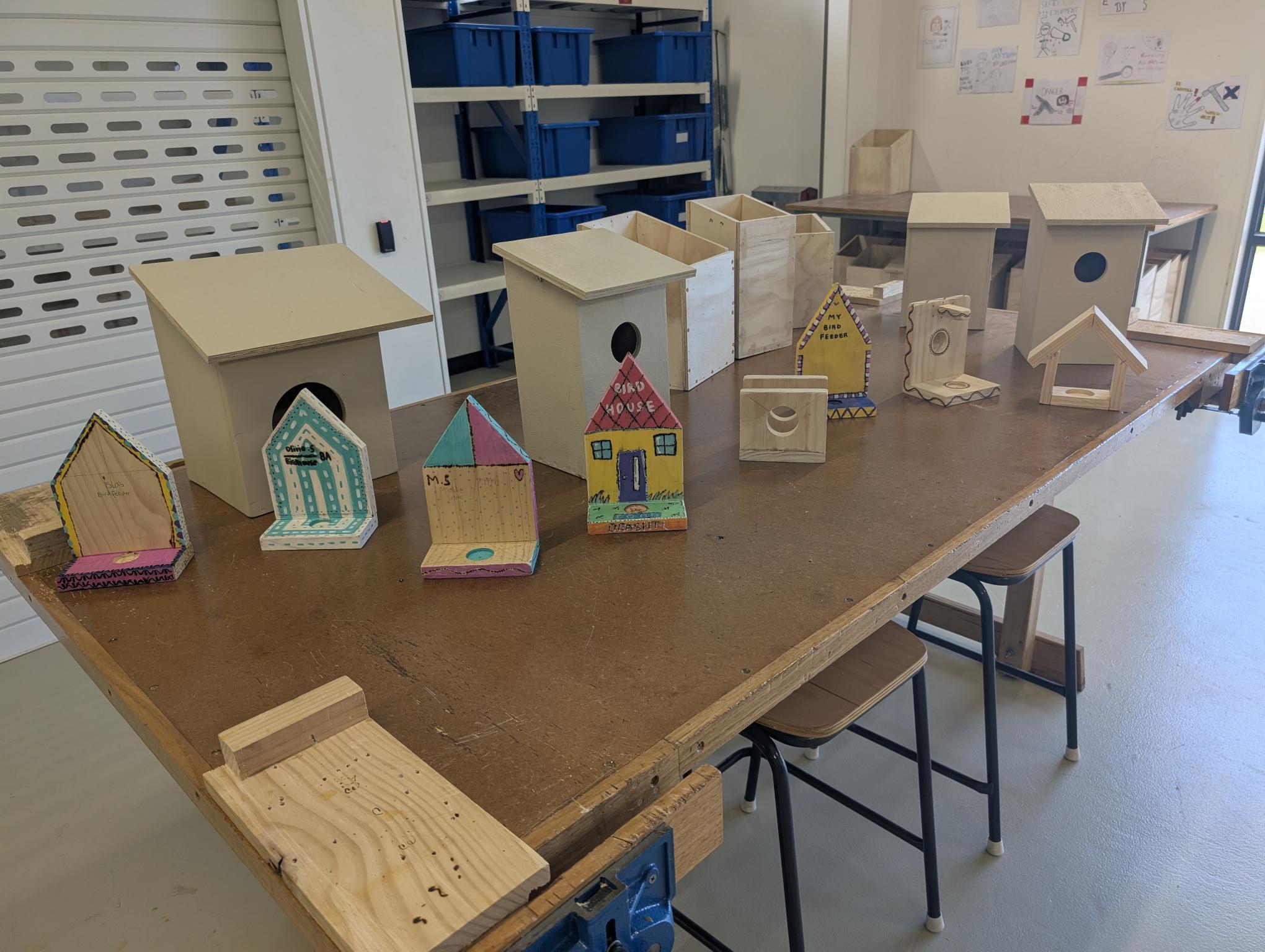
Students follow the design process to research, plan, produce, and evaluate design solutions. They design and construct projects such as a bird feeder and nesting box, exploring how designed solutions can support local wildlife and community needs, with a focus on non-human users and local biodiversity.

Types of Assessment

  • Design Folios and Products
  • Research Investigation
next-icon LEARN MORE
8 Music Film v2

Music & Film

Arts Elective Study

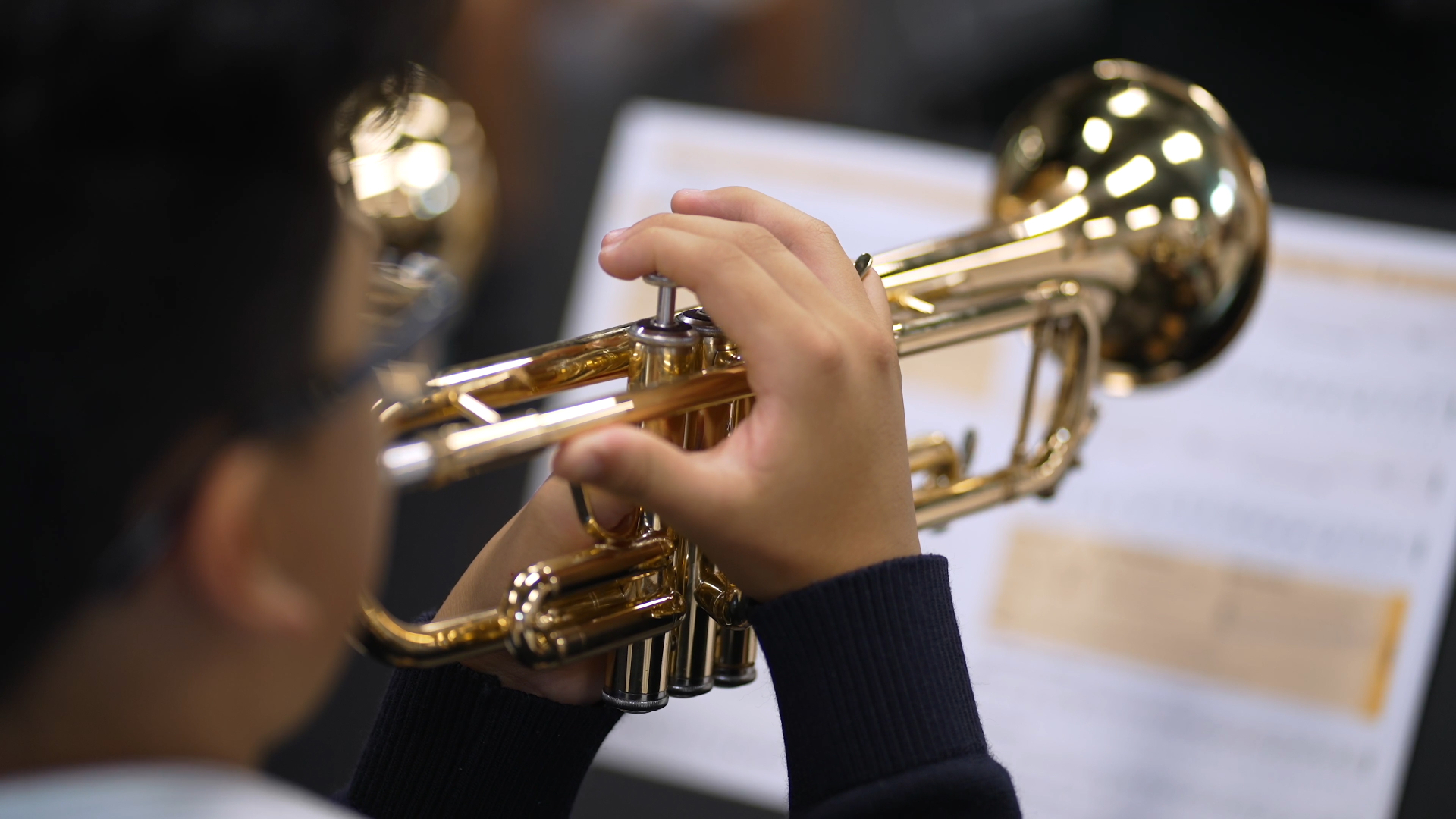
In Year 8 Music, students will explore how music shapes the stories, emotions, and action in films, TV shows, advertisements, and video games. They will learn music sampling techniques, create original compositions using contemporary band instruments, and develop their performance skills through practical music-making. Students will form a band, rehearse a song for a live performance, and compose music for screen-based media while discovering the powerful impact of soundtracks on audiences.

Throughout the semester, students will

  • Explore how music is used in film, TV, advertisements and video games
  • Experience the impact of film soundtracks
  • Learn and use music sampling techniques
  • Use contemporary band instruments to create compositions
  • Develop music performance skills
  • Create original music for screen-based media
  • Form a band and rehearse a song for a live performance

Types of Assessment

  • Music Performances
  • Music Composition
next-icon LEARN MORE
8 Dance

Dance

Arts Elective Study

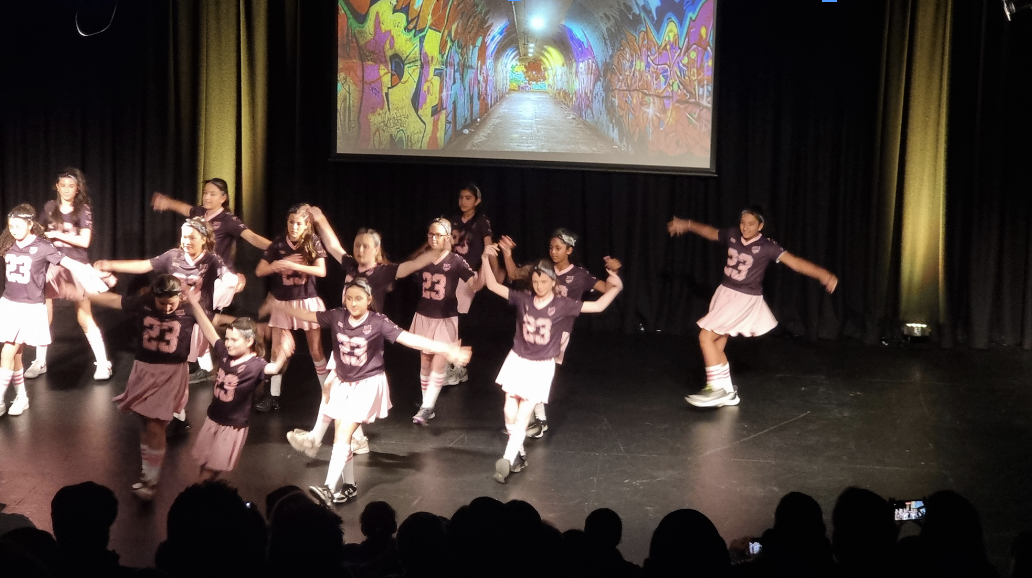
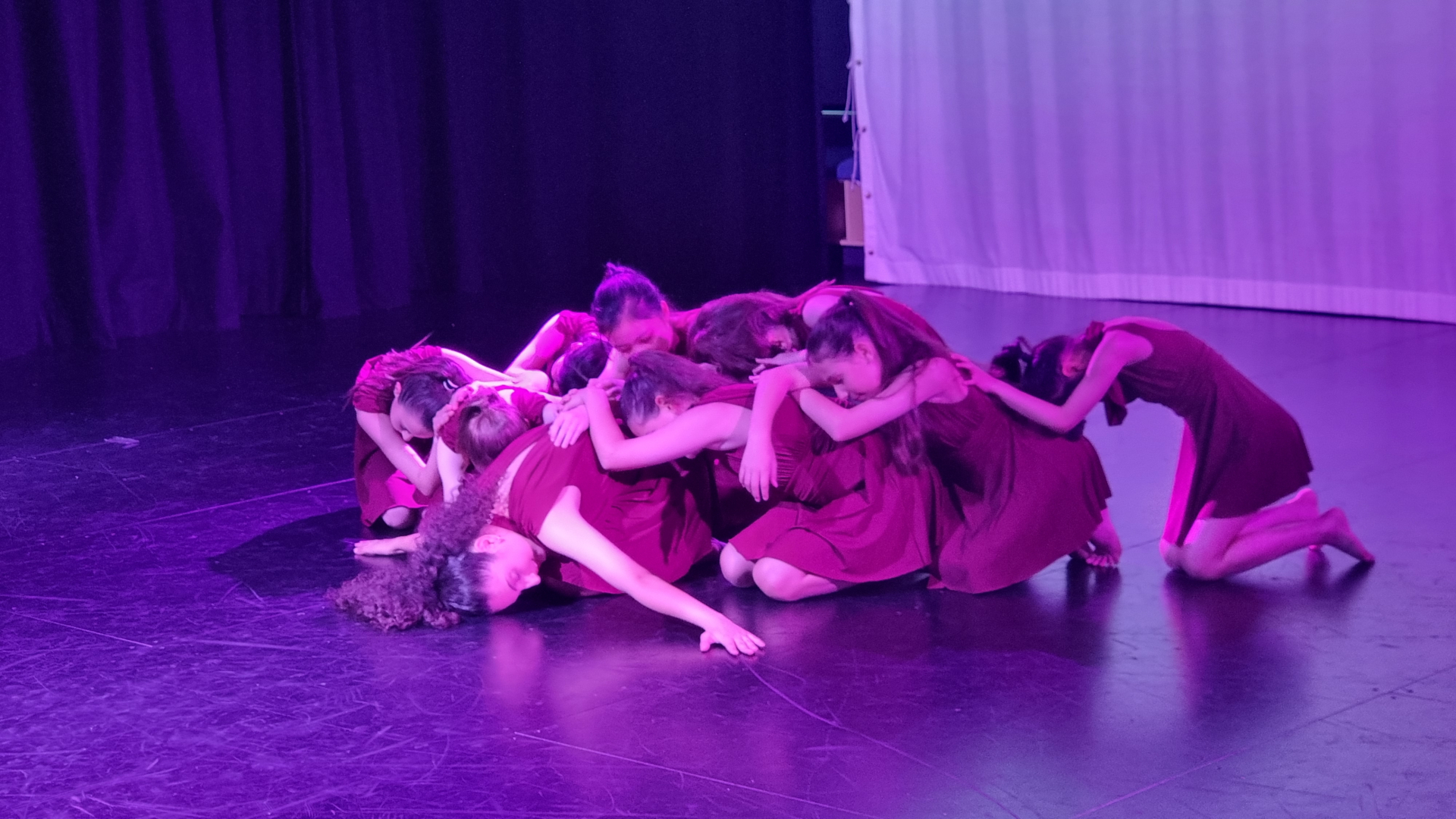
Year 8 Dance will allow you to try a subject you may have never tried before! This will involve learning choreography from difference dance styles, producing self-devised dance performances, looking at different dance crazes as well as studying safe dance practices and strength and conditioning. Types of assessment could include group performances, dance theory and small group devised choreography.

Types of Assessment

  • Group Performances
  • Test
next-icon LEARN MORE
Year 8 Visual Art 3 D a

Visual Arts (3D)

Arts Elective Study

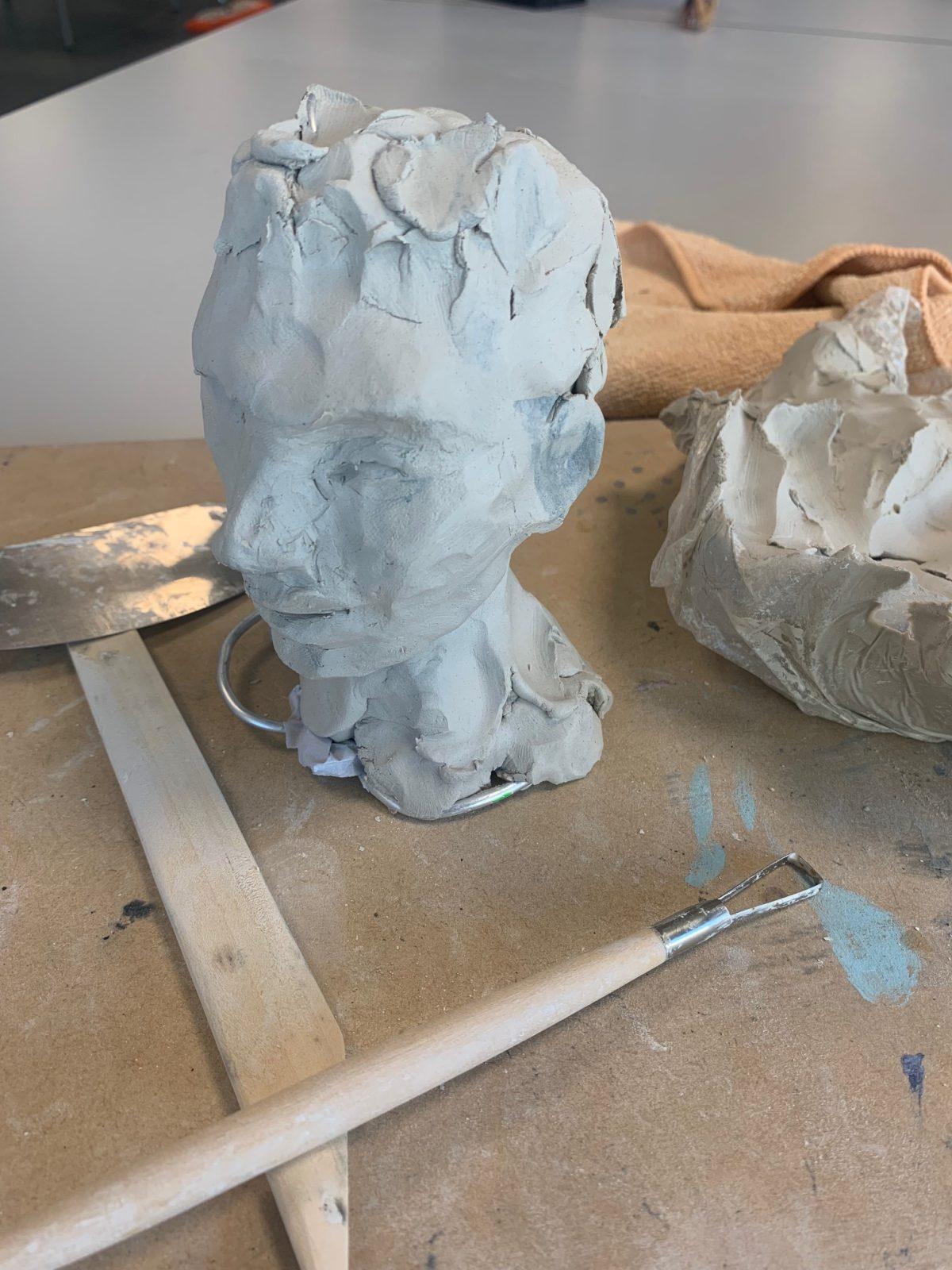
This Year 8 Visual Arts (3D) course, aligned with the Victorian Curriculum, provides students with opportunities to develop skills and understanding through sculpture, construction, ceramics and mixed 3D media. Students engage in both practical and theoretical learning to explore and express ideas, develop studio practices, and respond to artworks in three dimensions.

Students investigate how artists use visual conventions such as form, space, texture, scale and balance to communicate meaning. Through structured tasks, they experiment with materials including clay, cardboard, wire and found objects, developing technical skills and problem­solving abilities. Emphasis is placed on constructing, refining and resolving three-dimensional artworks.

The course encourages exploration of imaginative and real-world themes. Students use a visual diary to document their creative process, including research, planning, testing and reflection, supporting creative and critical thinking. They are encouraged to take creative risks and respond to feedback to improve their work.

Students also analyse artworks from historical, cultural and contemporary contexts, including Aboriginal and Torres Strait Islander practices, to understand how ideas and meaning are communicated in 3D forms.

Assessment includes visual diary work, finished sculptures and written or verbal analysis. By the end of the course, students demonstrate techniques, apply design principles, and explain how artists communicate meaning in three dimensions.

Types of Assessment

  • Journal
  • Formative Task
  • Artist research Task
  • Final Artwork

Key Information

The subject requires students to be critical thinkers and passionate creatives.

next-icon LEARN MORE
8 Italian

Italian

Languages Elective Study

In Year 8, students use spoken and written Italian to interact in a range of personal and social contexts. They describe or present people, places, events or conditions; discuss likes, dislikes and preferences; present information; recount and narrate events; and talk about personal, social and school worlds. Students will explore the topics of school life in Italy and Australia, how to describe families and relatives, food and significant cultural annual events. The best part of Italian is being able to not just learn a language, but the culture of another country. We learn about the differences in speaking and how grammar rules arecompletely different from English. It also allows us to understand people when they’re talking and enables us to respond to their questions.

Italian is a worthwhile subject choice, as it gives insight to another country and language. This allows students to participate in programs such as the Italy Study Tour. It also gives students an opportunity to continue learning Italian into university and opens many doors for careers and travel such as living and working in Italy and across many countries where Italian is spoken. This subject is likely to appeal to students who have an interest in Italian culture, food and language, people who would like to broaden their skills by learning a language and students who would like to work or live in Italy in the future.

Types of Assessment

  • Oral presentations
  • Topic Tests
  • Assignments
  • Multimodal tasks involving reading, listening and writing

Key Information

Students continue their language choice from Year 7 through to 
Year 9.

next-icon LEARN MORE
8 Japanese

Japanese

Languages Elective Study

Year 8 Japanese covers a wide range of topics, relating to housing, making plans and organising events. We learn how to describe houses, organise parties and how to socialise with friends in Japanese. The best part of Japanese is being able to not just learn a language, but the culture of another country. We learn about the differences in speaking and how grammar rules are completely different from English. It also allows us to understand people when they’re talking and enables us to respond to their questions. Japanese is a worthwhile subject choice, as it gives insight to another country and language.

This allows students to participate in programs such as the Japan Study Tour. It also gives students an opportunity to continue Japanese into university and opens many doors for careers and travel such as living and working in Japan.

This subject is likely to appeal to students who have an interest in Japanese culture, food and language, people who would like to broaden their skills by learning an Asian language and people who would like to work or live in Japan in the future.

Types of Assessment

Journal

Formative Task

Artist research Task

Final Artwork

Types of Assessment

Oral presentations

Topic Tests

Assignments

Multimodal tasks involving reading, listening and writing

Key Information

Students continue their language choice from Year 7 through to 
Year 9.

next-icon LEARN MORE
Subject Selection Guide

Year 9 General Elective Studies

Photos Marymede Welcomfrom Principal61

Music - Music Producers

Arts Elective

In Year 9 Music, students will explore the music of an award-winning artist who inspires them and discovers what makes their sound unique. Students will analyse one of their songs, then use their style as inspiration to create and produce their own piece of music. Students will develop their creative and production skills by exploring the role of a producer and sharing their work in an exciting showcase of learning with a ‘Night of Nights’ Music Event!

Students will:

  • Compose using traditional and digital music tools
  • Study / Follow – Grammy/ARIA Award-winning music and artists
  • Explore the role of a music producer
  • Perform live music
  • Prepare for and participate in the “Night of Nights” concert

Types of Assessment

  • Music Performances
  • Music Analysis
next-icon LEARN MORE
9 dance elities

Dance Elities

Arts Elective

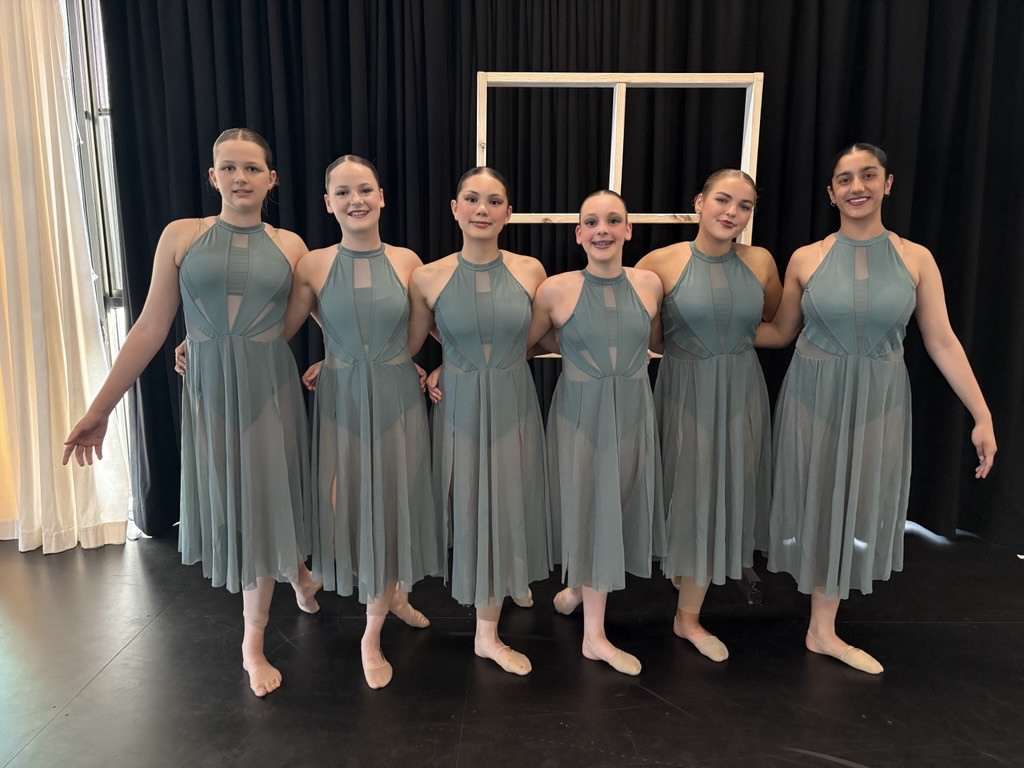
In Year 9 Dance, students get ready to go beyond the dance studio. Dance Elite is designed for students with an existing dance background or a passion for dance who are ready to be challenged, extended, and pushed creatively outside the styles and routines they already know. You’ll have genuine agency over your learning, choosing the dance styles you want to explore further - whether contemporary, hip hop, lyrical, jazz, or something else entirely - with guidance and feedback from your teacher.

The focus of this elite class is expression and storytelling through movement, moving beyond steps and technique to ask: what am I trying to say with this piece? You’ll explore how choreography can communicate a theme, evoke emotion, and tell a story, growing as both a technical and artistic dancer.

This subject is perfect for dancers who train outside of school and want to extend their skills, challenge their creativity, and grow as independent artists in a supportive, high-level class.

Types of Assessment

  • Choreography & Dance Making
  • Performance
  • Dance Analysis

Key Information

This subject requires students to perform in front of audiences.

next-icon LEARN MORE
9 on broadway

On Broadway

Arts Elective

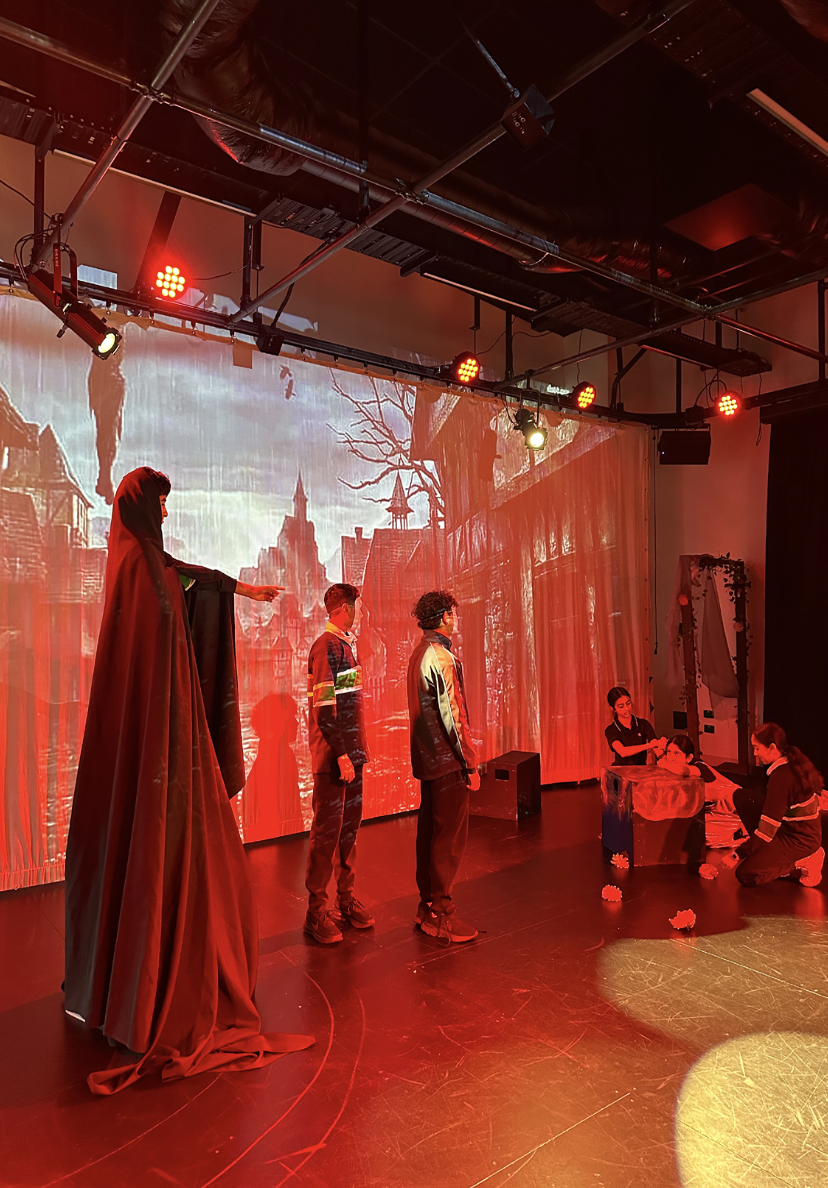
Lights, camera, jazz hands!  In Year 9 ‘On Broadway’, students will step into the spotlight and discover the magic of musical theatre dance. Learn iconic and show-stopping routines from beloved musicals such as Moulin Rouge, Mean Girls, Legally Blonde, A Chorus Line, and Chicago (and more along the way!).

Be a part of a fun, high-energy musical theatre dance classes that builds technique, performance flair, and confidence - because in this subject, everybody’s a star. You’ll also experience the real thing firsthand with an excursion to see a live musical theatre production.

As your grand finale, you’ll choreograph your own routine to a musical theatre song of your choice, exploring how costumes, props, and makeup help bring your character to life. Because in musical theatre, it’s not just about the steps - it’s about telling a story with your whole self.

Grab your jazz shoes and get ready to dance your heart out!

Types of Assessment

  • Choreography & Dance Making
  • Performance
  • Dance Analysis

Key Information

This subject requires students to perform in front of audiences

next-icon LEARN MORE
Year 9 Drama Clowning Around

Drama – Clowning Around

Arts Electives

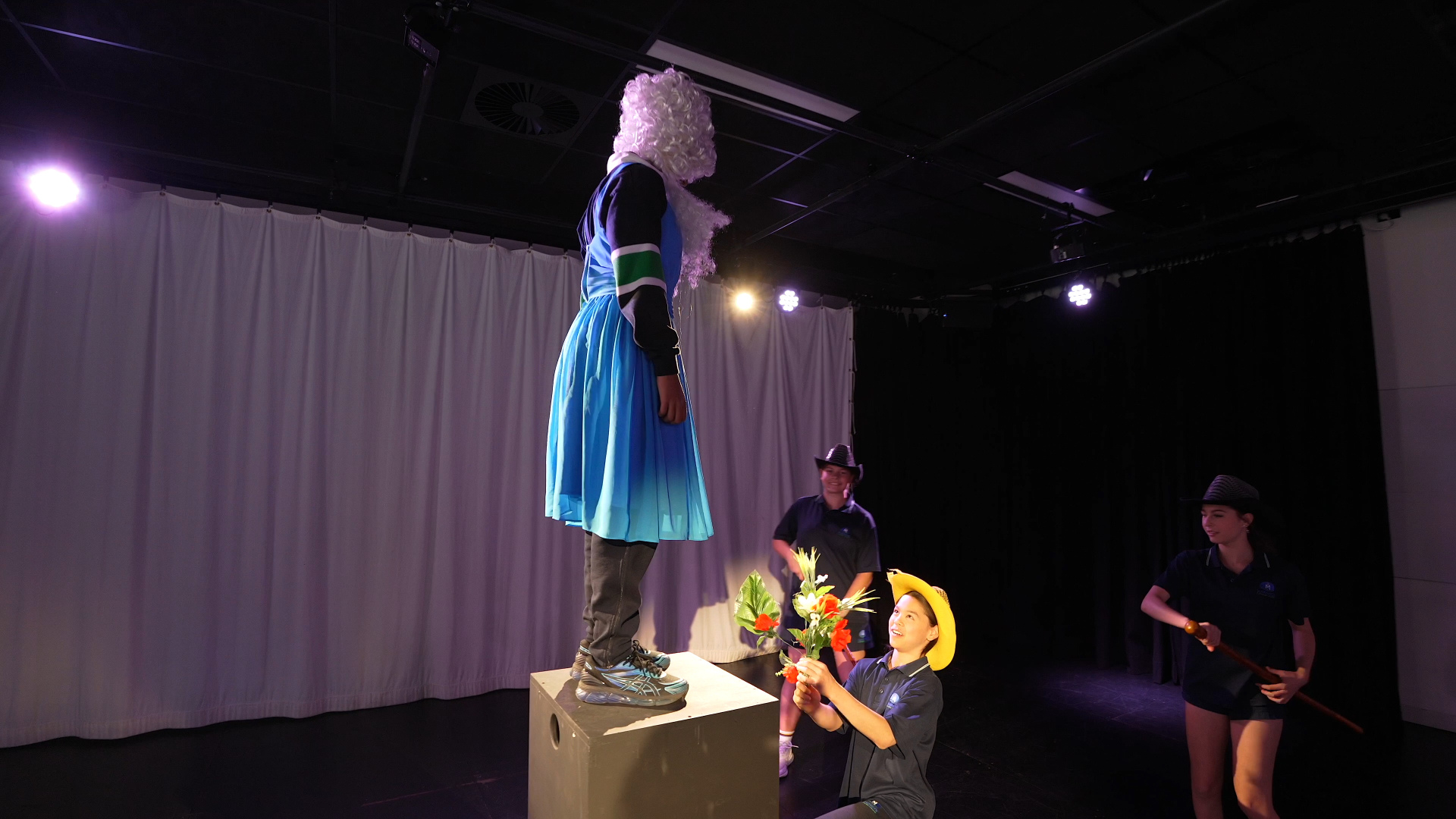
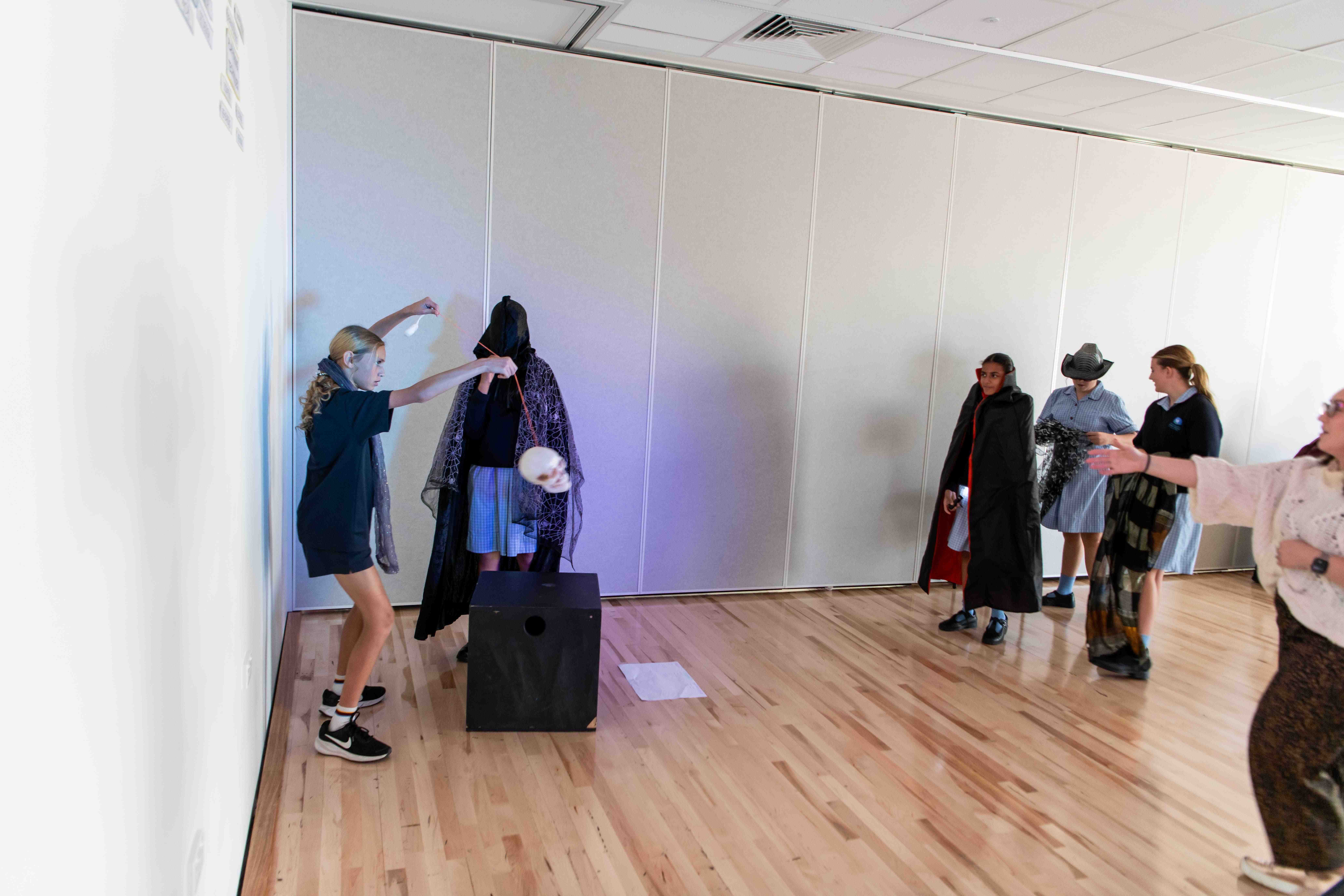
Get ready to laugh your way through our comedy and improvisation subject! Learn the FUNdamentals of character creation, narrative development, and expressive skills to entertain any crowd. Gain your ‘Class Clown qualification’ by completing practical projects, including an improv performance and a skit show while exploring physical theatre in detail. Not only will you improve your comedia skills, but you’ll also impress your parents with your enhanced literacy skills through a comedy analysis task. Join our subject of a win – win experience of laughter and learning!

Types of Assessment

  • Performance Making
  • Presenting a performance
  • Written Documentation

Key Information

This subject requires students to perform in front of audiences

next-icon LEARN MORE
Year 9 Art Making Exhibiting e

Art Making & Exhibiting

Arts Elective

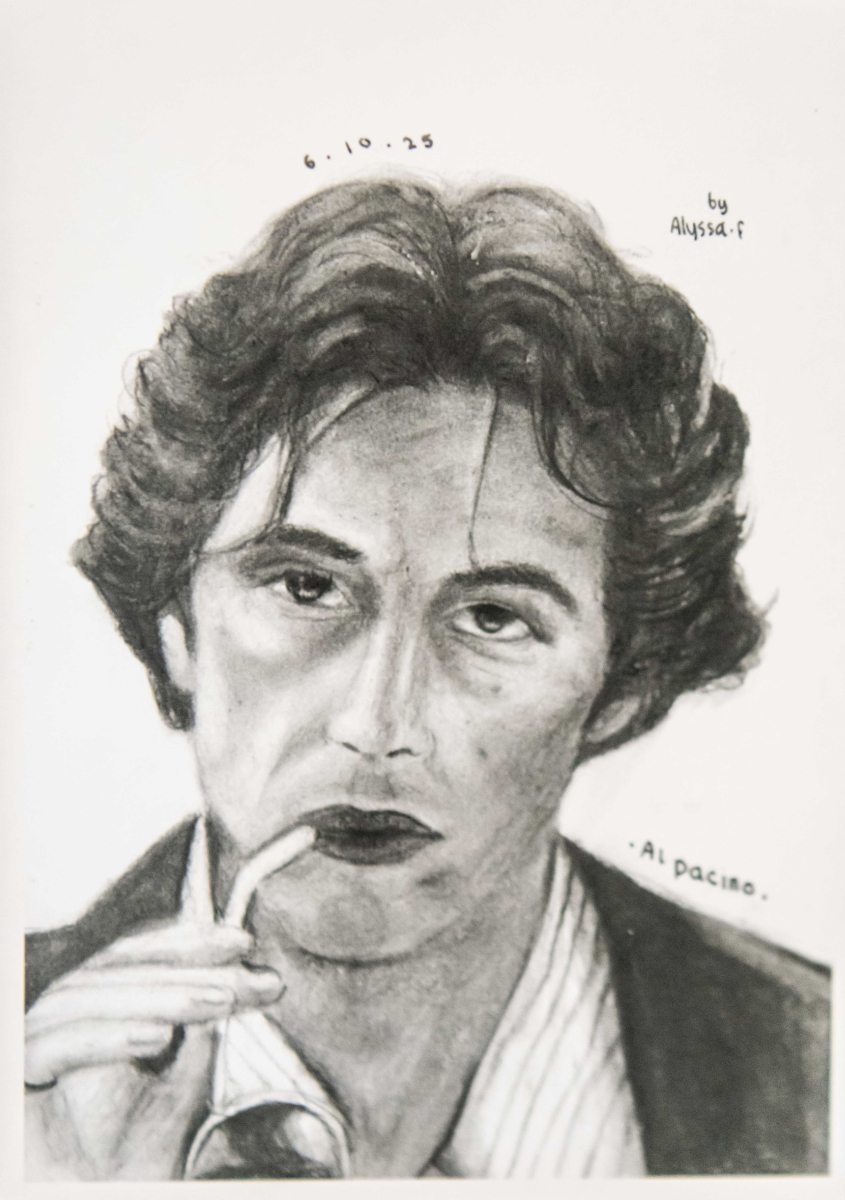
Students develop a range of skills in Year 9 Art Making & Exhibiting that enable them to express their creative aspirations in a series of artistic projects. Designed to explore new and engaging mediums, methods and techniques, Art Making & Exhibiting can be a great first step into Fine Art, working through a range of mediums beginning with drawing moving through into exploring a range of potentially two dimensional or three dimensional mediums that form the building blocks to a further pathway into a career in Fine Arts, Visual Communication Design or Media and other creative outlets.

Art making & Exhibiting is focused on furthering the interest of creative minds and giving students the confidence to develop an eye for creativity and creative problem solving, building a range of studio skills, and exposing them to a broad range of materials in the art studio.

Students may explore themes such as self-portraiture, political art and contemporary art making practices such as street art.

Students learn creative, critical and reflective thinking skills (higher order thinking strategies) with a cross curricular benefit that support their progress through the creative thinking process.

Types of Assessment

  • Research Assignment
  • Visual Diary
  • Portfolio of Artworks

Key Information

This is a great first step into the vast possibilities presented in the Visual Arts.

next-icon LEARN MORE
9 Media

Media

Arts Electives

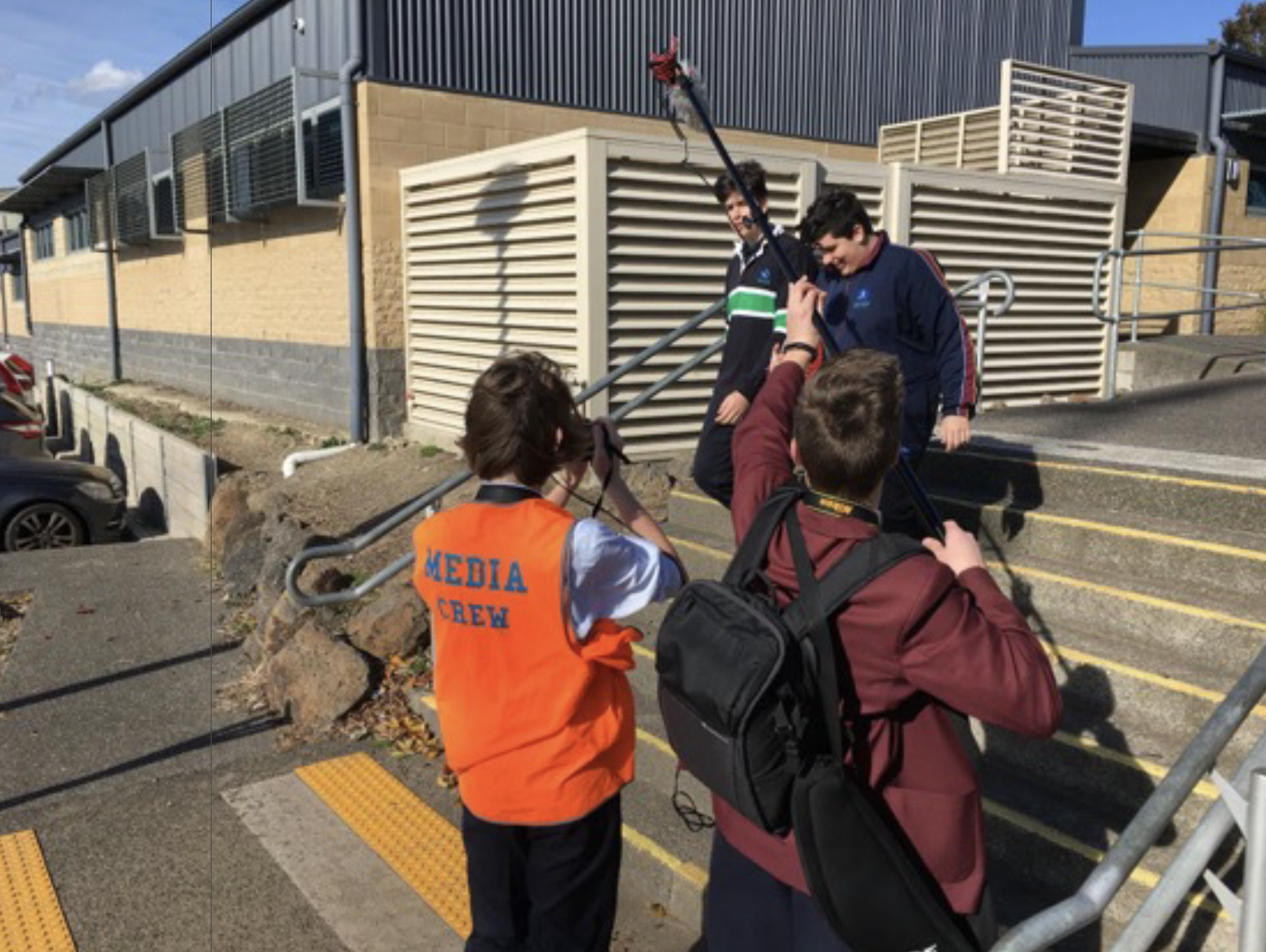
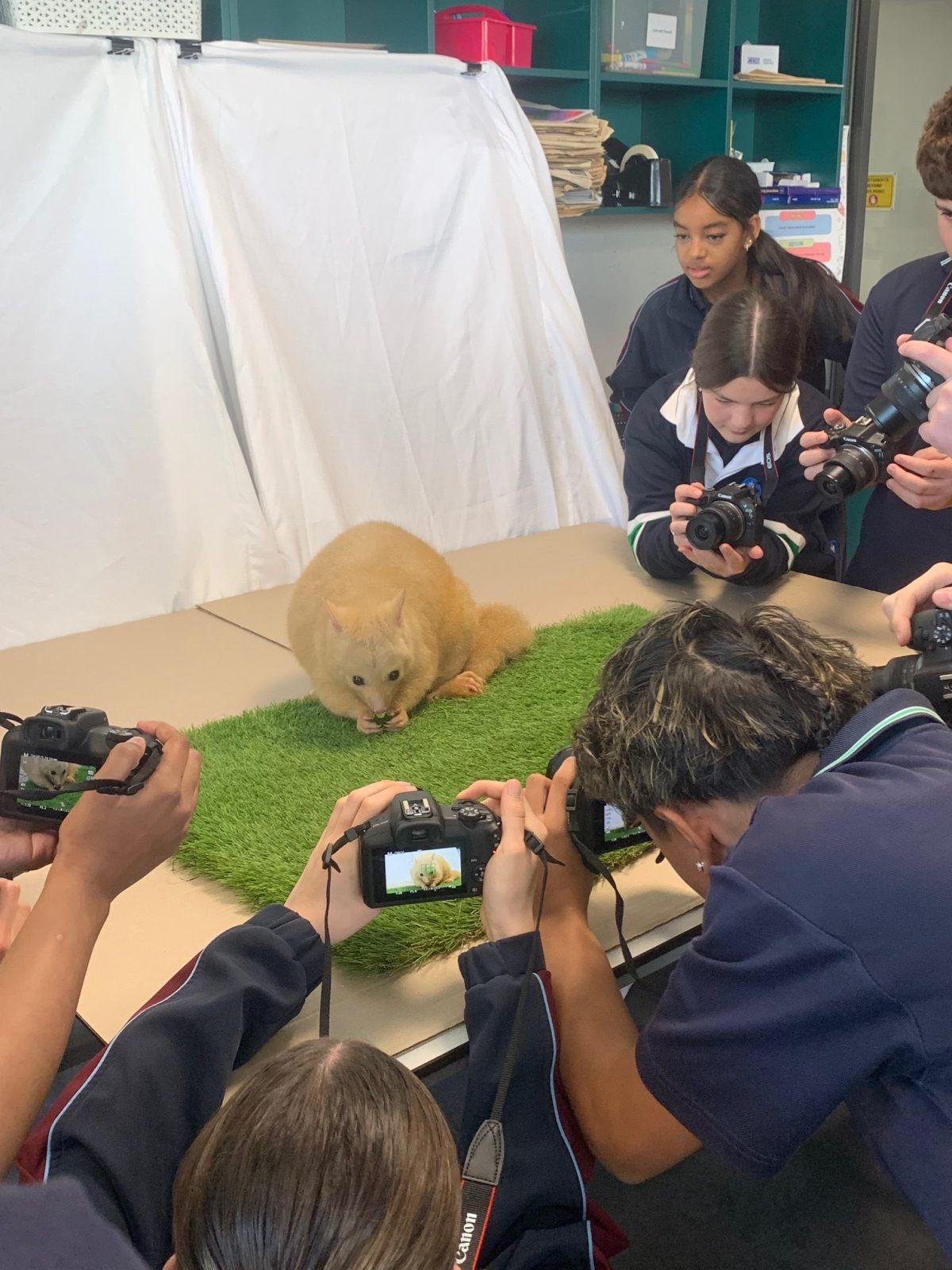
Through a series of practical workshops, students experiment with manual camera settings then create photographic narratives in a range of genres and present their work as a digital online portfolio.

Year 9 Media students study an adventure film and analyse the filmic conventions used in this genre. Students also understand how themes are shaped and reflected in the film.

Later in the semester, students may complete a production design plan that documents a concept for a soun d design sequence series of short film clips before editing and mixing the sounds they have recorded.

Types of Assessment

  • Photography Portfolio and Exhibition
  • Adventure Film Trailer
  • Production Design Plan and Sound Design Sequence

Key Information

This subject requires students to be critical thinkers and passionate storytellers.

next-icon LEARN MORE
Year 9 Photography

Photography

Arts Elective

Year 9 Photography (Industry Practice), aligned with the VCAA curriculum, introduces students to the creative and technical processes involved in contemporary photographic practice. Students explore how photographers communicate ideas and tell stories through the use of composition, lighting, framing, and editing·techniques. They examine industry practices, including how photography is used across fields such as advertising, journalism, fashion, and social media. Through hands-on projects, students develop practical skills using digital cameras and editing software, following structured production processes from concept development to final presentation. They learn to plan shoots, manage equipment, and refine images to suit specific purposes and audiences. Students also consider ethical issues, including representation, consent, and the impact of manipulated images. By analysing professional work and creating their own photographic products, students build visual literacy, critical thinking, and creative problem-solving skills, preparing them for further study and potential pathways in the media and creative industries..

Types of Assessment

  • Photography as a Medium
  • Studio Photography
  • Photographic Practices
  • Genre Research
  • Portfolio

Key Information

The subject requires students to be critical thinkers and passionate storytellers.

next-icon LEARN MORE
9 viscom

Visual Communication Design

Arts Elective

In Year 9 Visual Communication Design, students develop a range of designs in their portfolio that are refined into a series of final presentation pieces. They examine how designers communicate ideas and the purpose of visual communication, exploring the visual language used to convey meaning across the graphic, environmental and industrial design fields.

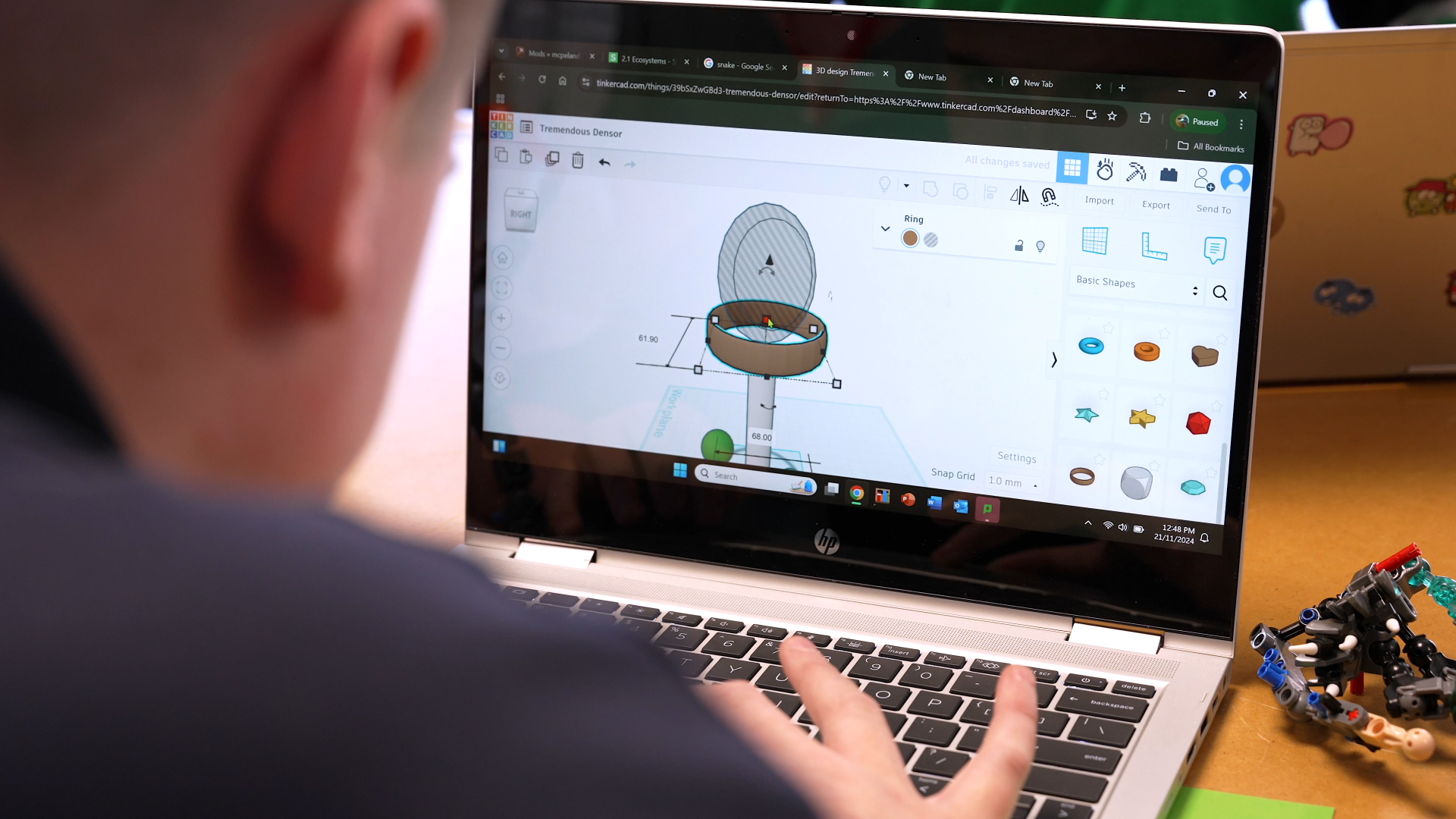
This year, students also have the opportunity to explore jewellery design as part of their industrial design studies. They experiment with form, materials and 3D processes to create wearable design prototypes, introducing them to real-world product design thinking in an engaging, hands-on way.

Visual Communication Design relies on the design elements and principles as key tools for concept development and the visualisation of ideas. Students learn creative, critical and reflective thinking skills (design thinking) that support their progress through the design process. A range of media, methods and materials is used throughout folio development and in the final resolution of ideas.

Types of Assessment

  • Practical Folio and Presentations
  • Investigation Report on Design History

Key Information

This subject requires students to complete an extensive folio. 
The subject requires students to be critical thinkers and passionate creatives.

next-icon LEARN MORE
9 Textiles

Non-Resistant Materials (Textiles)

Design Technologies Elective

In Year 9 Textiles, students build on their prior knowledge of hand-sewing techniques by exploring hand stitching and embroidery to create a unique slow stitch image using a variety of scrap and recycled materials. This creative process encourages experimentation with texture, colour, and composition. Students then transform their design into a functional product by sewing a pillow on the sewing machine, further developing their confidence and skills with textile technologies. Throughout the unit, students are introduced to the Double Diamond Design Process and end user feedback to refine and enhance their designs. This unit brings together students’ existing hand-sewing knowledge with their growing understanding of sewing machine operation, enabling them to design and produce a thoughtful, high-quality finished product.

Types of Assessment

  • Design Folio/workbook - including drawings, research and evaluation related to the design brief
  • Construction of products
  • Practical & theoretical components
next-icon LEARN MORE
DSC 4336

Resistant Materials (Wood)

Design Technologies Elective

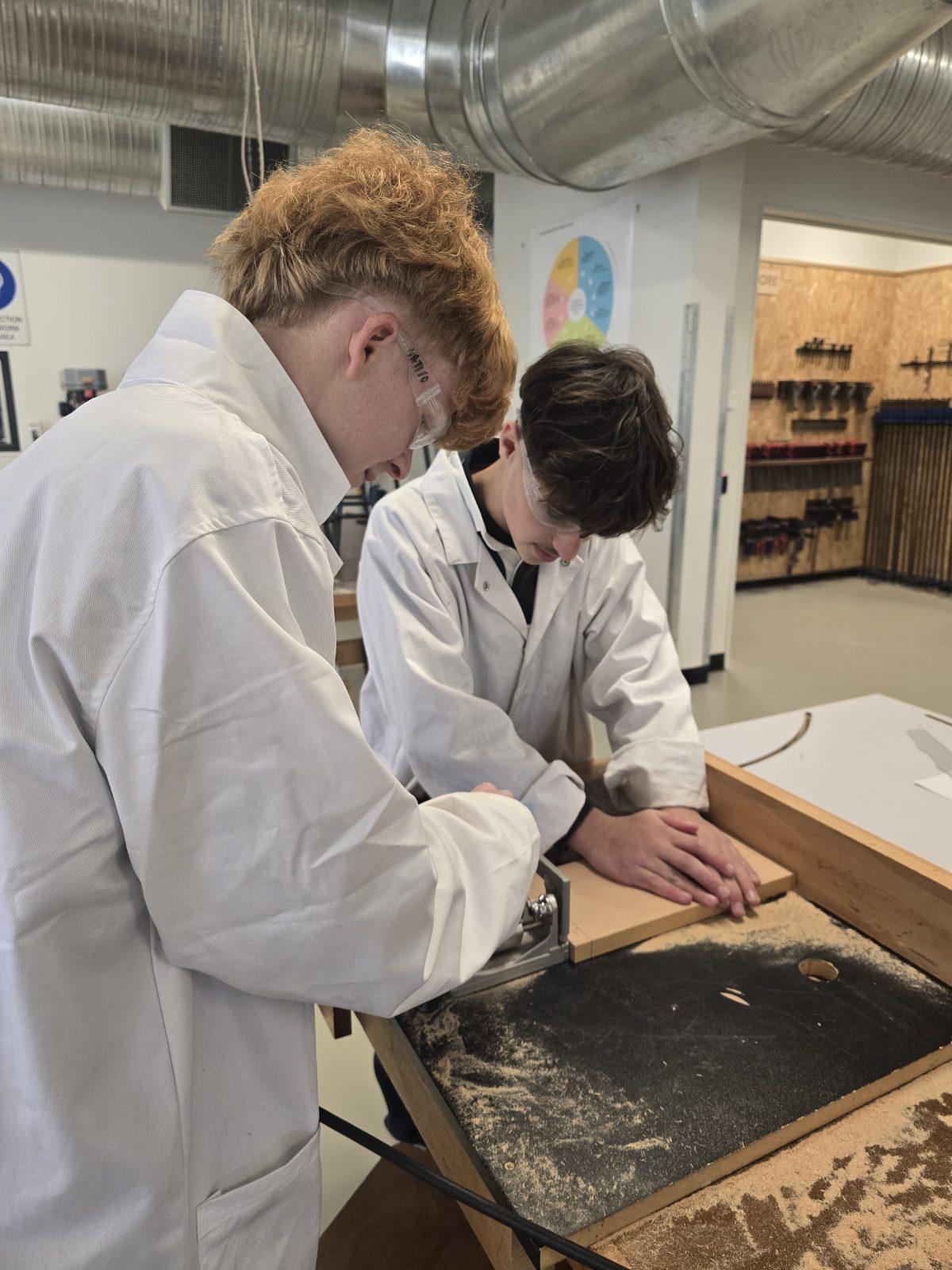
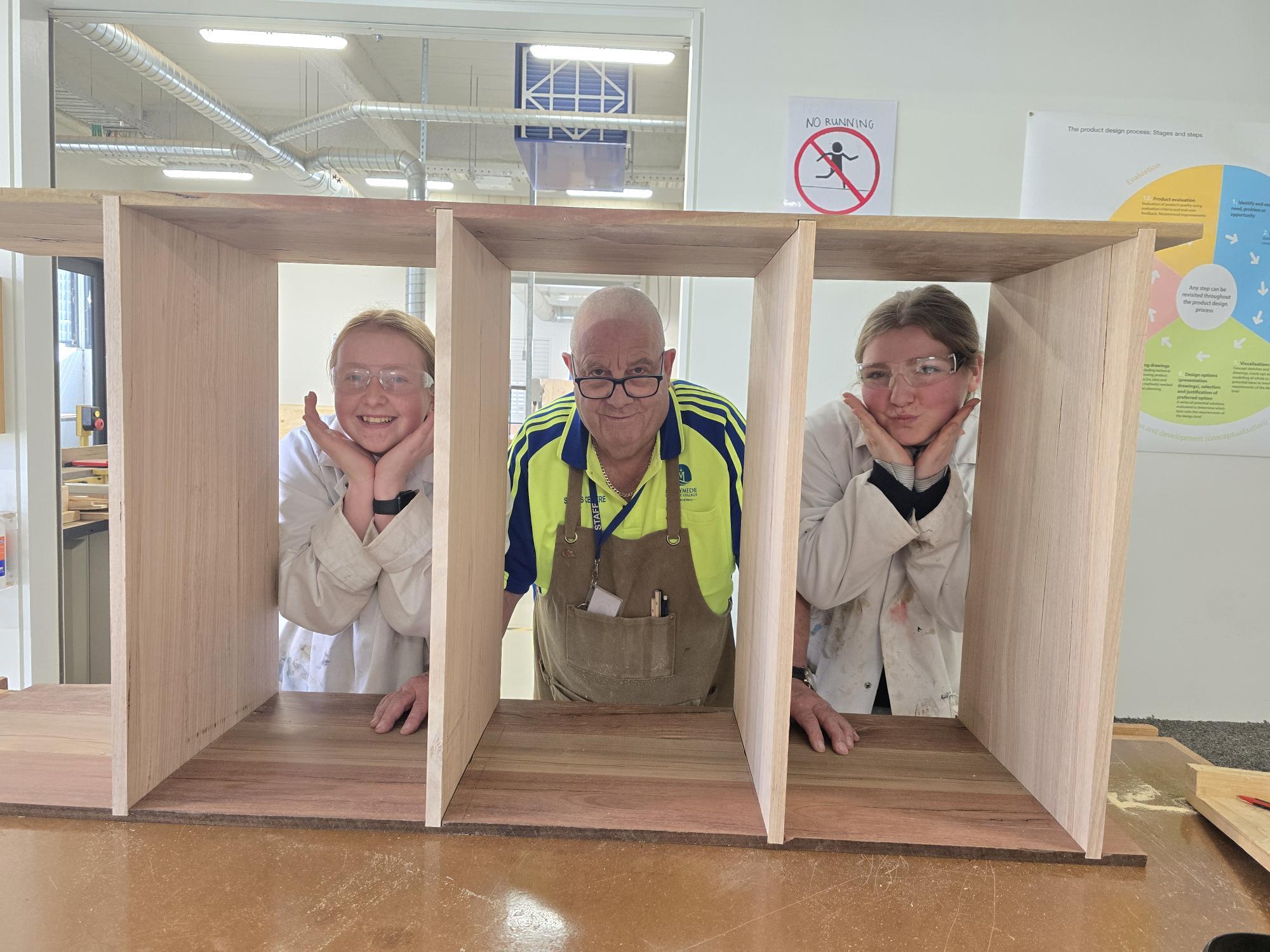
Students will develop fabrication skills using a range of tools, machines and resistant materials while following the Product Design Process to create a solution for an end user. Through a structured woodworking project, they will build accuracy and craftsmanship by producing a joinery die using methods such as dowel, biscuit, finger, dovetail and lap joints. These skills are then applied in the design and construction of a wooden toy or game, supported by a design folio using the Double Diamond process. Throughout the course, students develop safe workshop practices, along with technical drawing and planning skills, and evaluate their final product. This subject fosters creativity, problem-solving and practical skills relevant to future design projects.

Types of Assessment

  • Production and Fabrication Skills
  • Product Design Folio
  • Research Task
  • Construction of designed product

Key Information

Safety, process and design form the core of this subject.

next-icon LEARN MORE
9 code ai cyber

Code, AI & Cyber

Design Technologies Elective

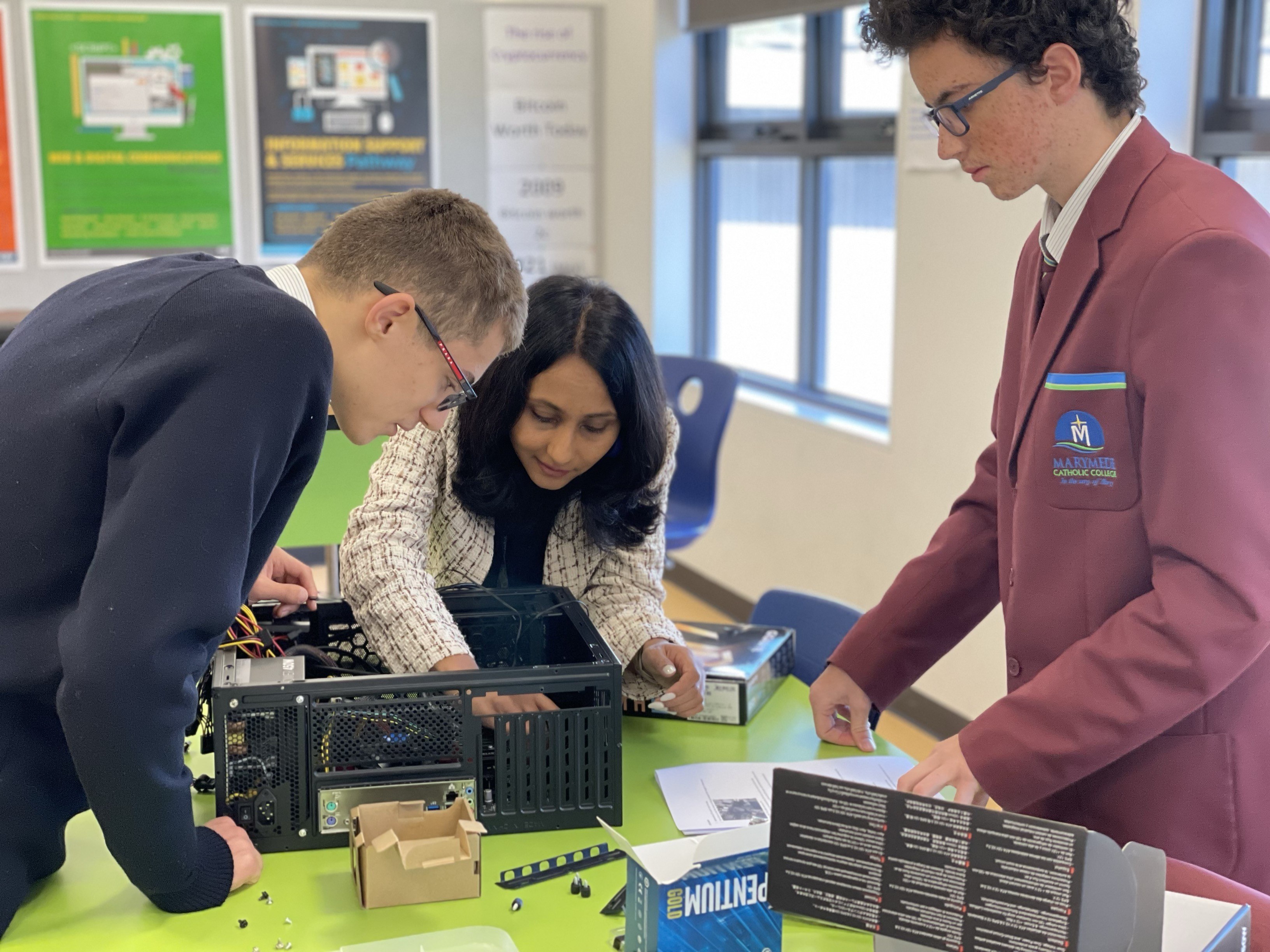
This course focuses on students’ skills in coding, problem solving and emerging technologies through complex, hands-on challenges. Students further develop their Python programming, applying concepts such as variables, loops and conditionals to design and refine digital solutions. Students develop their skills by designing, tracing and evaluating solutions using pseudocode, flowcharts and Python code.

Students explore how AI is used to analyse data, uncover patterns and generate insights. They apply this learning to create interactive solutions, such as chatbots, using structured problem-solving approaches.

In addition, students engage with emerging technologies including drones and virtual reality, exploring how these tools are used in real-world contexts.

Types of Assessment

  • Coding Tasks
  • Project Based Application Tasks
next-icon LEARN MORE
DSC 4351

Engineering Studies (South Morang Only)

Design Technologies Elective

Students apply engineering principles through the design process to investigate, generate, produce and evaluate solutions using a range of resistant materials, including metals, acrylic, timber and recycled materials.

The course has a strong emphasis on hands-on practical learning, with students regularly using hand tools, power tools and selected machinery to manufacture functional products. Students are required to follow all workshop safety procedures, including the correct use of personal protective equipment (PPE), safe operation of tools and machinery, and maintaining an organised workspace. Safety instruction is provided, and students must demonstrate responsible and safe practices at all times.

Students explore a broad range of engineering disciplines, with a focus on structural engineering and fluid power systems. They will design, build and test spaghetti towers to examine structural performance, and construct simple hydraulic or pneumatic “robotic” arms to investigate mechanical movement and control.

Design communication is developed through AutoCAD and traditional drawing and drafting techniques, which are used to plan and refine ideas before production.

The subject also incorporates speculative design and future-focused thinking, while providing an introduction to vocational pathways in engineering.

Types of Assessment

  • Portfolio – Design process and practical work
  • Design Work – AutoCAD and hand-drawn drawings
  • Production Tasks – Mixed material projects
  • Research Task – Engineering disciplines

Key Information

This is a practical, workshop-based subject with a strong focus on hands-on production. AutoCAD and traditional drafting support the design and manufacturing process.

next-icon LEARN MORE
Yr 9 Food Studies Buddha Bowl

Food Studies

Design Technologies Elective

In Year 9 Food Studies, students deepen their understanding of food, nutrition and food technologies through the study of health, ethics and contemporary food practices. They explore nutrients and digestion, including the functions of food in the body and nutritional needs across the lifespan. Students also investigate food trends and factors such as ethics, culture, sustainability, allergies and intolerances that influence food choices. Through practical work, they experiment with a range of ingredients, techniques and equipment to design and produce foods suitable for diverse needs

Types of Assessment

  • Test
  • Design Folio with theory and practical tasks
next-icon LEARN MORE
9 Product Design Engineering

Product Design & Engineering (Doreen Only)

Design Technologies Elective

In Year 9 Product Design and Technology, students engage in hands-on engineering and design challenges that build creativity, problem-solving skills and practical workshop confidence. Through a series of applied projects, students explore how materials, structures and forces influence design. They design and construct a weight-bearing cardboard chair, investigate air resistance through a parachute challenge, and develop precision and aerodynamics in a CO₂ dragster project. Students will then design and produce a wooden charcuterie board, showcasing craftsmanship, safe workshop practices and high-quality finishing. Throughout the course, students strengthen their design thinking through concept development, detailed drawing and evaluation

Types of Assessment

  • Design Challenges
  • Portfolio – Design process and practical work
  • Production Tasks – Mixed material projects
  • Research Investigation

Key Information

Safety, process and design form the core of this subject.

next-icon LEARN MORE
9 italian

Italian

Languages Elective Study

In Semester One Year 9 Italian will focus on food and the coffee culture of Italy. Students learn how to talk about their daily routine and the importance of food and family life. The Semester One programme will focus on Italian design including fashion, and industries such as car manufacturing, furniture design, and architecture. The statement “Made in Italy” is recognised around the world as a mark of Italian style and quality. Being fashionable, or “alla moda” is a concept that Italians live by and one which has influenced their lifestyle and social culture. Students use Italian to extend their use of language beyond familiar contexts to communicate and interact with each other, access and exchange information, and design, interpret and explore a range of texts. They investigate links between the Italian language and culture and learn to analyse and reflect on different viewpoints and experiences, including their own cultural stances, actions, and responses.

Types of Assessment

  • Oral presentations
  • Topic Tests
  • Assignments
  • Multimodal tasks involving reading, listening and writing

Key Information

  • Students must have completed Italian in Year 8 to do it in Year 9.
  • Students must commit to a year of further study in Italian on return from a school study tour.
next-icon LEARN MORE
9 japanese

Japanese

Language

Year 9 Japanese covers a wide range of topics exploring themes relating to housing, making plans, festivals and organising events. We learn how to describe houses, organise parties and how to socialise with friends in Japanese. The best part of Japanese is being able to not just learn a language, but the culture of another country. We learn about the differences in speaking and how grammar rules are completely different from English. It also allows us to understand people when they’re talking and enables us to respond to their questions. Japanese is a worthwhile subject choice, as it gives insight to another country and language. This allows students to participate in programs such as the Japan Study Tour. It also gives students an opportunity to continue Japanese into university and opens many doors for careers and travel such as living and working in Japan.

This subject is likely to appeal to students who have an interest in Japanese culture, food and language, people who would like to broaden their skills by learning an Asian language and people who would like to work or live in Japan in the future.

Types of Assessment

  • Oral presentations
  • Topic Tests
  • Assignments
  • Multimodal tasks involving reading, listening and writing

Key Information

  • Students must have completed Japanese in Year 8 to do it in Year 9.
  • Students must commit to a year of further study in Japanese on return from a school study tour.
next-icon LEARN MORE
Subject Selection Guide

Year 10 Core Studies

10 Religious Education

Religious Education

Year Long Core Study

The Year 10 Religious Education curriculum will explore different perspectives of

Jesus represented throughout the Gospels and come to learn more about “Why there are many Christian Denominations?”. Under the strand of “Morality and Justice” students will consider the best ways to make difficult and moral decisions. This will help students formulate their own beliefs and values in order to deal with the difficult situations in which they can find themselves.

In addition, as a pre-cursor to their Year 11 study, the units explored in Year 10 provide students with an opportunity to dialogue with each other about key Church teachings, beliefs and events and consider ancient and other religions.

Students will study the 9 aspects of religion which form the base of all religions and are explored extensively in the Religion and Society study design which students will complete the following year.

Throughout the year students will take part in a Reflection Day Experience and participate in a range of additional learning experiences focusing on social justice.

Types of Assessment

  • Creative assessments
  • Essays
  • Written Analysis
  • Oral presentations
  • Examinations
next-icon LEARN MORE
VCE English

English

Year Long Core Study

The English curriculum is built around the three interrelated strands of Language, Literature and Literacy. The curriculum balances and integrates all three strands to focus on developing students’ knowledge, understanding and skills in listening and speaking, reading and viewing, and writing and creating. Learning in English builds on concepts, skills and processes developed in earlier years, and teachers will revisit and strengthen these as needed. The Year 10 course is also designed to introduce the students to skills required for Unit 1 and Unit 2 English.

Students engage with a variety of texts that challenge them. They interpret, create, evaluate, compare, discuss and perform a wide range of literary texts, as well as texts designed to inform and persuade. Literary texts are drawn from a range of genres and involve challenging and unpredictable plot sequences, unique characters and complex themes and ideas. Persuasive texts challenge students to identify points of view and perspective, and develops their ability to analyse intended impact on the reader. This will be informed by analysis of the language choices and consideration for how language is employed to function as part of the contention and/or purpose. Students create and engage with a range of imaginative, informative and persuasive types of texts including narratives, oral presentations, reports, discussions, literary analyses, texts and reviews.

Types of Assessment

  • Analytical Essay
  • Analysing Argument
  • Creative Writing
  • Oral presentation
     
next-icon LEARN MORE
Yr 10 Core

Health & Physical Education

Semester Long Core Study

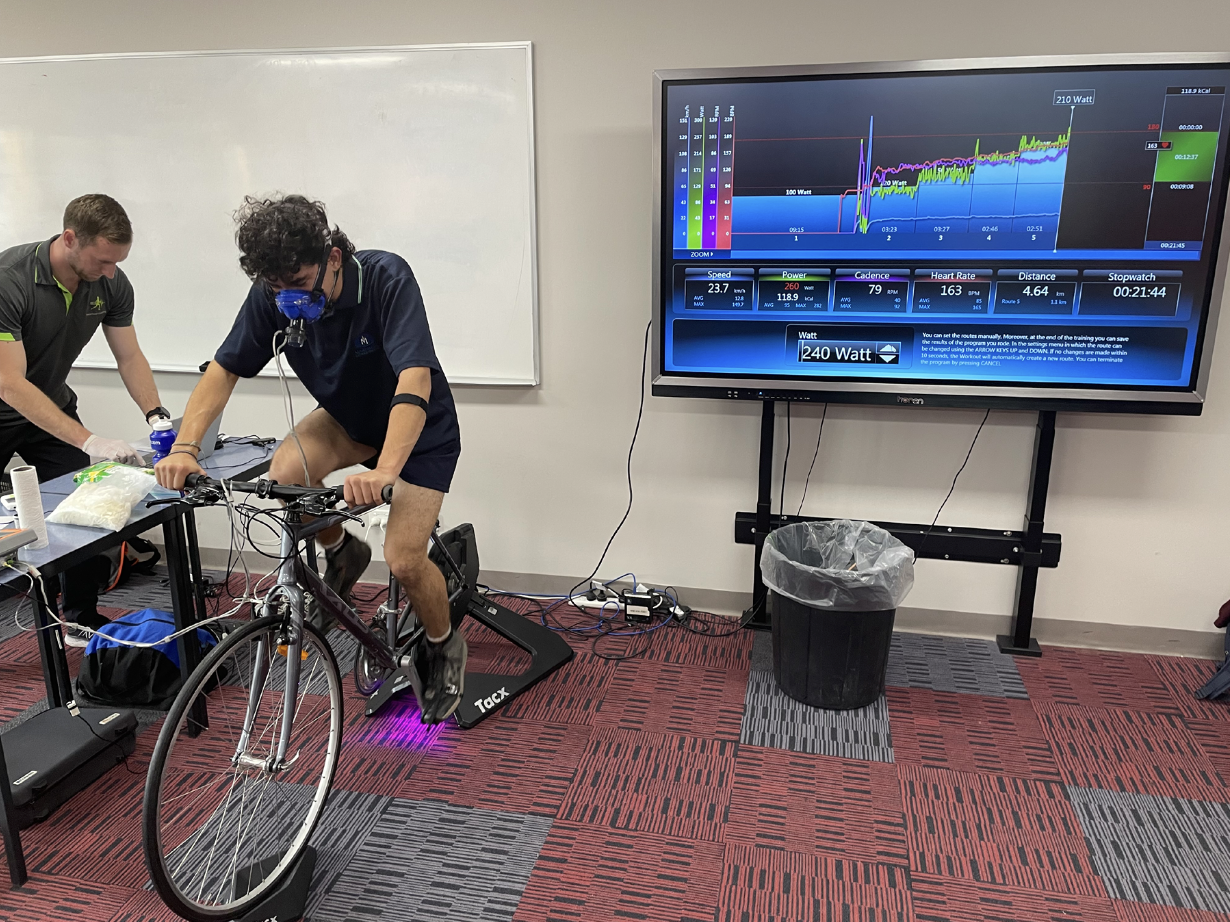
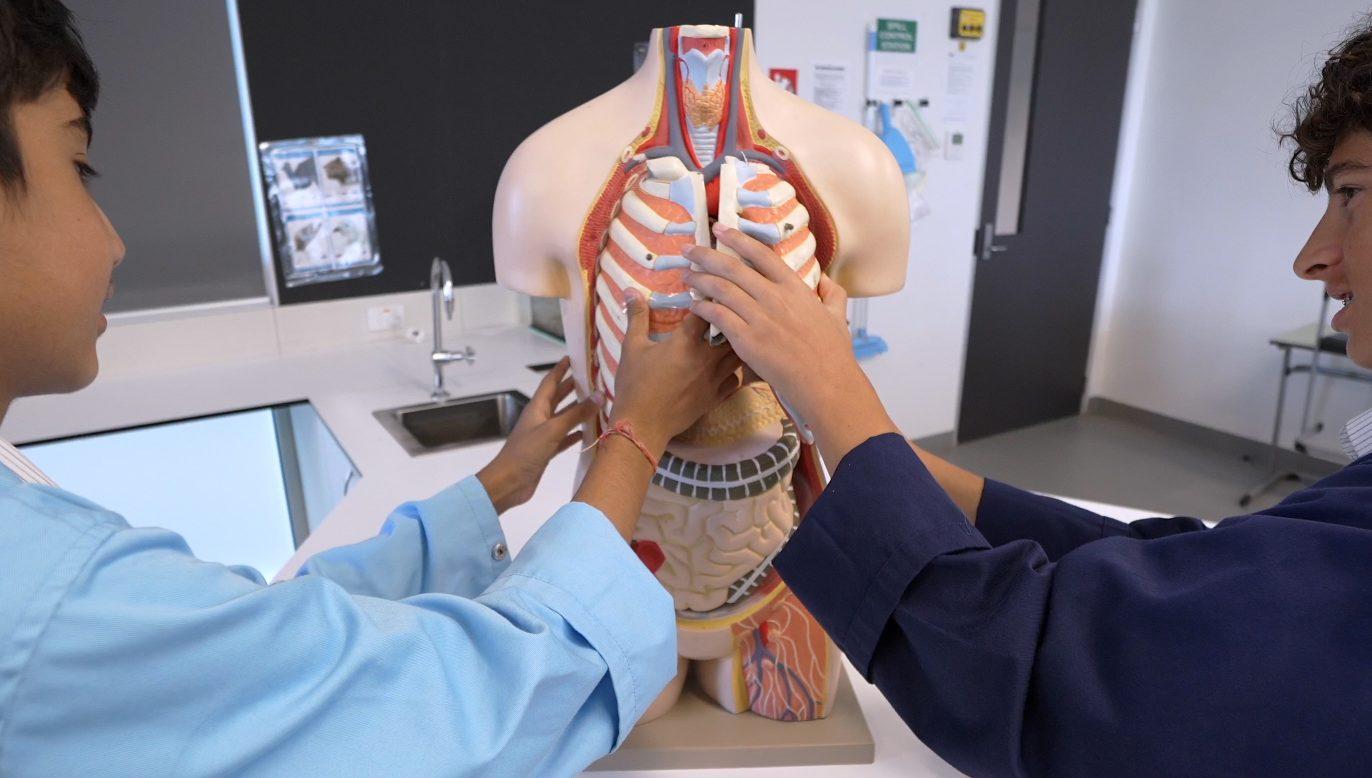
In this subject, students explore how the body’s systems work together to produce movement. The theory and practical aspects of this course allow students to explore the relationships between the body systems and physical activity. Students investigate the role and function of the main structures in each system and how they respond to physical activity, sport and exercise, including the musculoskeletal system and the cardiorespiratory system. Students have the opportunity to develop and extend their knowledge of athletic performance through practical laboratory sessions. Students also explore the various dimensions of health and wellbeing, along with health status indicators and sociocultural factors. Students will develop their knowledge of the macro and micro nutrients required for healthy living.

Types of Assessment

Practical Assessments

Research Tasks

Topic Test

End of Semester Examination

Key Information

This subject gives students a background in both Sports Science and Health to assist in their VCE Pathway into PE and/or HHD
 

next-icon LEARN MORE
10 Sci Core

Core Science

Year Long Core Study

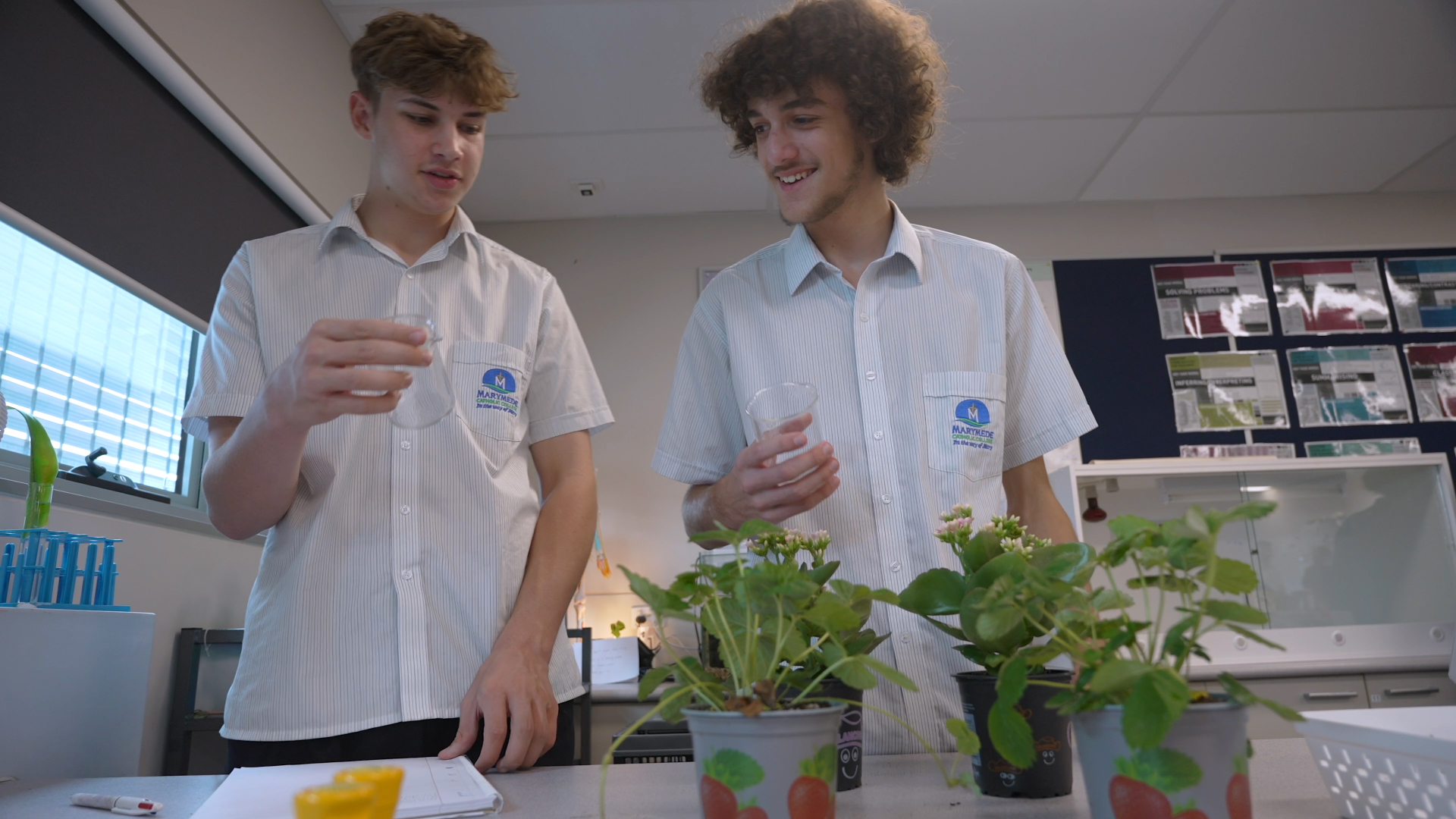
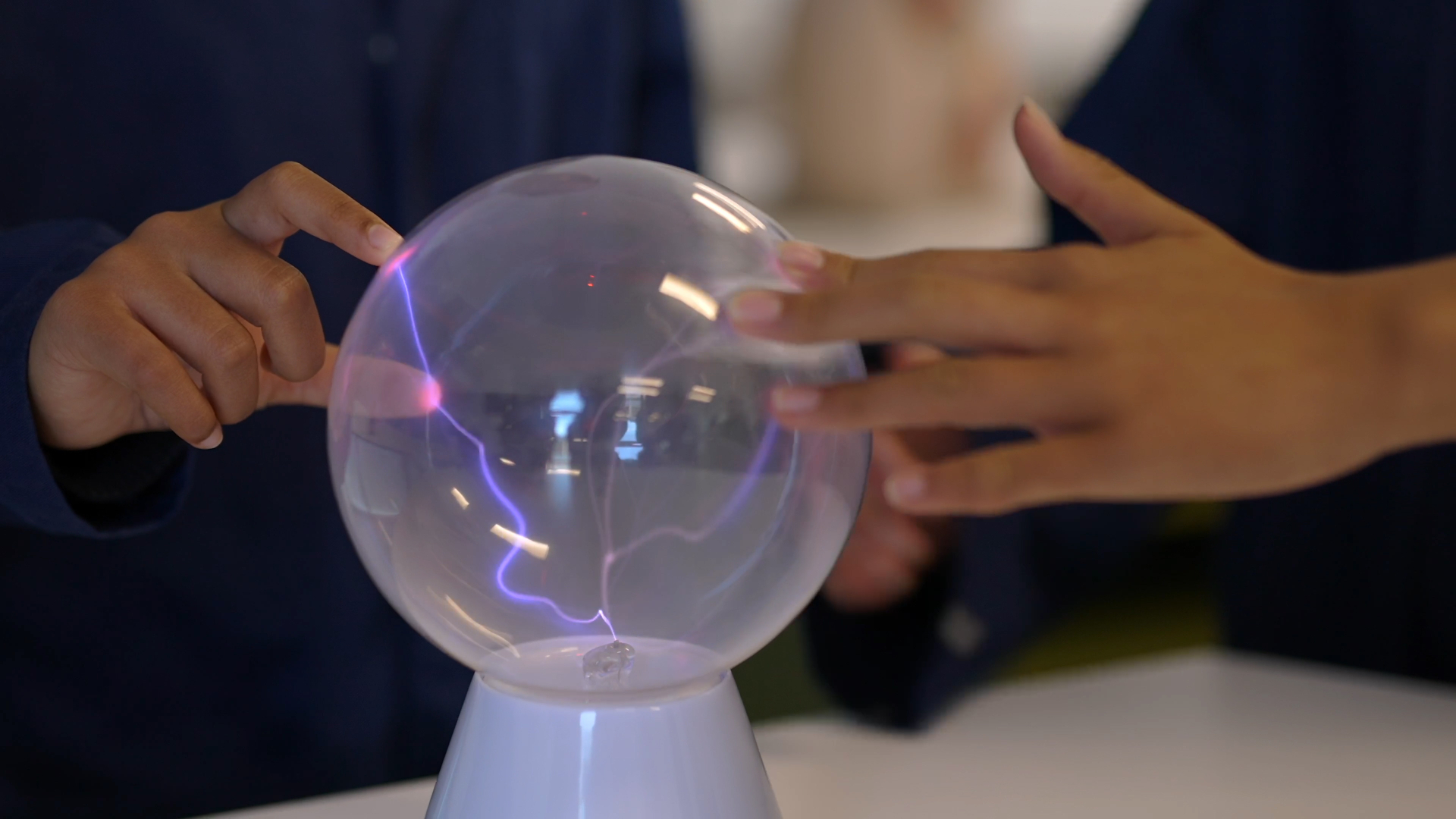
In this semester-length subject, students undertake a general science curriculum exploring three branches of science: Chemistry, Biology, and Physics. Students participate in a variety of activities and investigations that are designed to develop knowledge and understanding, and to promote critical, creative and reflective thinking. These are carried out in collaborative and individual contexts. Students will: explore the transmission of heritable characteristics from one generation to the next and the role of DNA; learn how the atomic structure and properties of elements are used to organise them in the Periodic Table and explain chemical bonding; and learn how to describe motion mathematically, using the concepts of displacement, velocity and acceleration, and explain it using Newton’s Three Laws of Motion.

Types of Assessment

Oral presentation

Practical Investigation

Topic Test

Scientific Poster

Key Information

It is an expectation that all science students complete after every class:

Revision of new material introduced

Homework assignments

Completion of class work that is not finished

next-icon LEARN MORE

Year 10 Core Elective Studies

10 General Maths

Standard Mathematics

Year Long Core Study (Mathematics Elective Choice A)

Standard Mathematics is based on Level 10 of Victorian Curriculum. The Dimensions taught include Number, Space, Measurement, Chance and Data, Structure and Working Mathematically. These students will be prepared to undertake General Mathematics Units 1 and 2 in Year 11 and Units 3 and 4 in Year 12.

Key areas of study in this subject include

  • Data Analysis
  • Financial Mathematics
  • Linear Graphs and Equations
  • Shape and Measurement
  • Trigonometry

Types of Assessment

  • Topic Test
  • Application Tasks
  • Examination

Key Information

This subject is a prerequisite for General Mathematics Units 1 & 2 as well as Specialist Mathematics Units 1 & 2

next-icon LEARN MORE
10 numeracy

Numeracy

Year Long Core Study (Mathematics Elective Choice B)

Numeracy Mathematics is based on some Level 10 Victorian Curriculum dimensions including Number, Space, Measurement, Chance and Data, Structure and Working Mathematically. The courses also address topics that form part of the nationally certificated courses that lead to apprenticeships and TAFE courses.

Key areas of study in this subject include

  • Measurement of simple and composite shapes
  • Conversion of units
  • Basic Statistics
  • Decimals, fractions and percentages
  • Basic financial mathematics
  • Pre-apprenticeship numeracy skills for trade.

Types of Assessment

  • Topic Test
  • Hands-on activities

Key Information

This subject is suitable for students for those who do not wish to pursue a VCE Mathematics Pathway.

next-icon LEARN MORE
264 photo05

Advanced Mathematics

Year Long Core Study (Mathematics Elective Choice C)

Year 10 Mathematics Advanced course is designed to enhance and accelerate the learning of the highest achieving Mathematics students. It is based on Victorian Curriculum – Level 10 and 10A. It is the most advanced Year 10 Mathematics course and it keeps all future VCE Mathematics options open. Entry into this subject will be dependent upon excellent results in Year 9 Maths.

Key areas of study in this subject include

  • Linear and Quadratic Functions
  • Indices and Surds
  • Polynomials
  • Probability and Statistics
  • Circular Functions
  • Trigonometry

Types of Assessment

  • Topic Test
  • Application Tasks
  • Examination

Key Information

This subject is a prerequisite for Mathematical methods Units 1 & 2

next-icon LEARN MORE
Year 10 change your world

Change Your World

Semester Long Core Study (Humanities Elective Choice A)

The Earth is our home and provides us with everything we need to live. What are we doing to it in return? In the Twenty-First Century, the world faces many environmental challenges. These challenges can range from local scale — the degradation of a nearby creek — through to a global scale — the threat of global warming.

Understanding how people and their environments interconnect is vital for explaining environmental changes and helps in planning for a sustainable future. Across the world, humans have caused many environmental changes: pollution, land degradation and damage to aquatic environments. People have different points of view, or world views, on many of these changes. Climate change is a major environmental change as it affects all aspects of the biophysical environment, such as plants and animals; our land; inland water resources; coastal, marine and urban environments. It is vital that we respond intelligently to, and effectively manage, all future environmental changes to minimise negative social and economic impacts and to ensure that our planet can provide for future generations, your generation.

The planet’s future is in your hands.

Types of Assessment

  • Fieldwork Assessment
  • Geographical Concepts Case Study
  • Extended Writing task – The Three Gorges Dam

Key Information

This is a Semester based subject providing a foundation for VCE Geography study.

next-icon LEARN MORE
10 Freedom Fighters

Freedom Fighters

Semester Long Core Study (Humanities Elective Choice C)

Using historical perspectives and skills, we will explore the concept of justice and investigate those who fought for freedom in a range of contexts. We begin with the rise of Hitler and Nazism that led to persecution of Jews and the Holocaust. We ask what the Righteous Among the Nations did to protect people from persecution under Hitler. Focusing next on the Australian context, we look at Indigenous rights, particularly at the impact on the Stolen Generation, effects of the 1967 Referendum, trail blazers of the Civil Rights Movement and the consequences of the Freedom Rides in Australia. Our topic on women’s freedoms centres on suffragettes, women’s roles during the major world wars, social freedoms during the 1920s and the Women’s Liberation Movement. We will finish the semester with choices and negotiated topics for inquiry by students in areas of interest, by completing a researched Inquiry Project that deepens our understanding of various turning points and struggles for freedom in the Twentieth Century.

Types of Assessment

  • Inquiry Project
  • Source Analysis
  • Extended Response
  • Examination

Key Information

Films as interpretations of the past and virtual reality will be used in this subject.

next-icon LEARN MORE
10 Entrepreneurship

Entrepreneurship

Semester Long Core Study (Humanities Elective Choice D)

This subject provides students with an engaging introduction to Economics, Business and Entrepreneurship. Students explore how economic resources are allocated and the choices individuals, businesses and governments make in response to scarcity. They investigate the key participants in the Australian economy and how these groups interact to influence economic outcomes. Students also examine a range of economic indicators used to measure the performance of local and global economies and develop an understanding of the factors that contribute to a nation’s wealth and prosperity. The course then shifts focus to the dynamic world of Business and Entrepreneurship. Students investigate why people establish businesses, the characteristics of successful entrepreneurs and the factors that contribute to business success or failure. Through practical, hands-on learning experiences, students develop their own business idea, create a comprehensive business plan and present a Shark Tank-style pitch. This provides valuable opportunities to develop creativity, problem-solving, communication and enterprise skills that are highly valued in the modern workforce.

Types of Assessment

  • Economics Test
  • Case studies
  • Business Plan & Shark Tank Pitch
  • Examination

Key Information

  • Interactive and educative games
  • “Shark Tank” guest judges
next-icon LEARN MORE
10 Power Politics Law

Power, Politics & Law

Semester Long Core Study (Humanities Elective Choice B)

Students will investigate Australia’s political and legal systems, examine current political issues, and explore how laws are created, interpreted and applied. Through debates, case studies, mock trials and parliamentary-style activities, students will develop critical thinking, communication and decision-making skills. They will also analyse the role of political parties, the media, pressure groups and citizens in influencing government policy and social change.

This subject is ideal for students interested in law, politics, current affairs, leadership and making a difference in their community. It provides a strong foundation for future studies in Legal Studies, Politics, History, Business and the Social Sciences.

Step into the world of power, justice and decision-making—and discover how you can shape the future.

Types of Assessment

  • Topic Test
  • Case studies
  • Debates
  • Mock Trials
  • Examination

Key Information

This subject is ideal for students interested in law, politics, current affairs, leadership and making a difference in their community. It provides a strong foundation for future studies in Legal Studies, Politics, History, Business and the Social Sciences.

next-icon LEARN MORE

Year 10 General Elective Studies

10 Literature

Literature

Semester Long Elective Study (English)

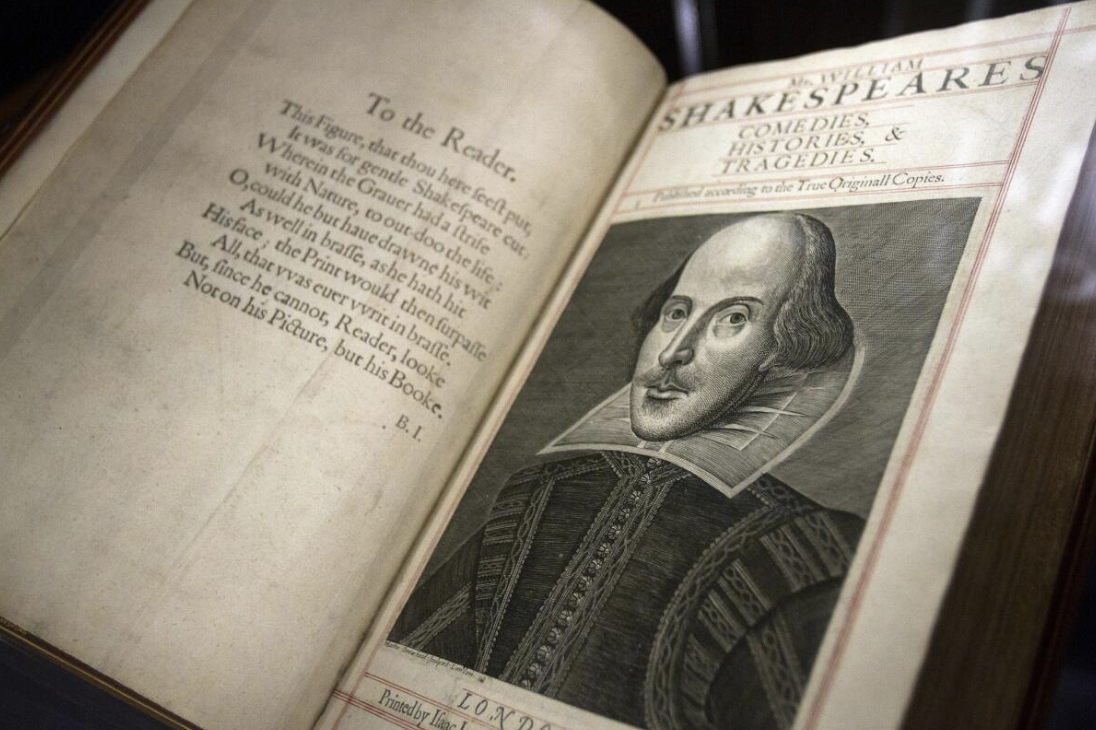
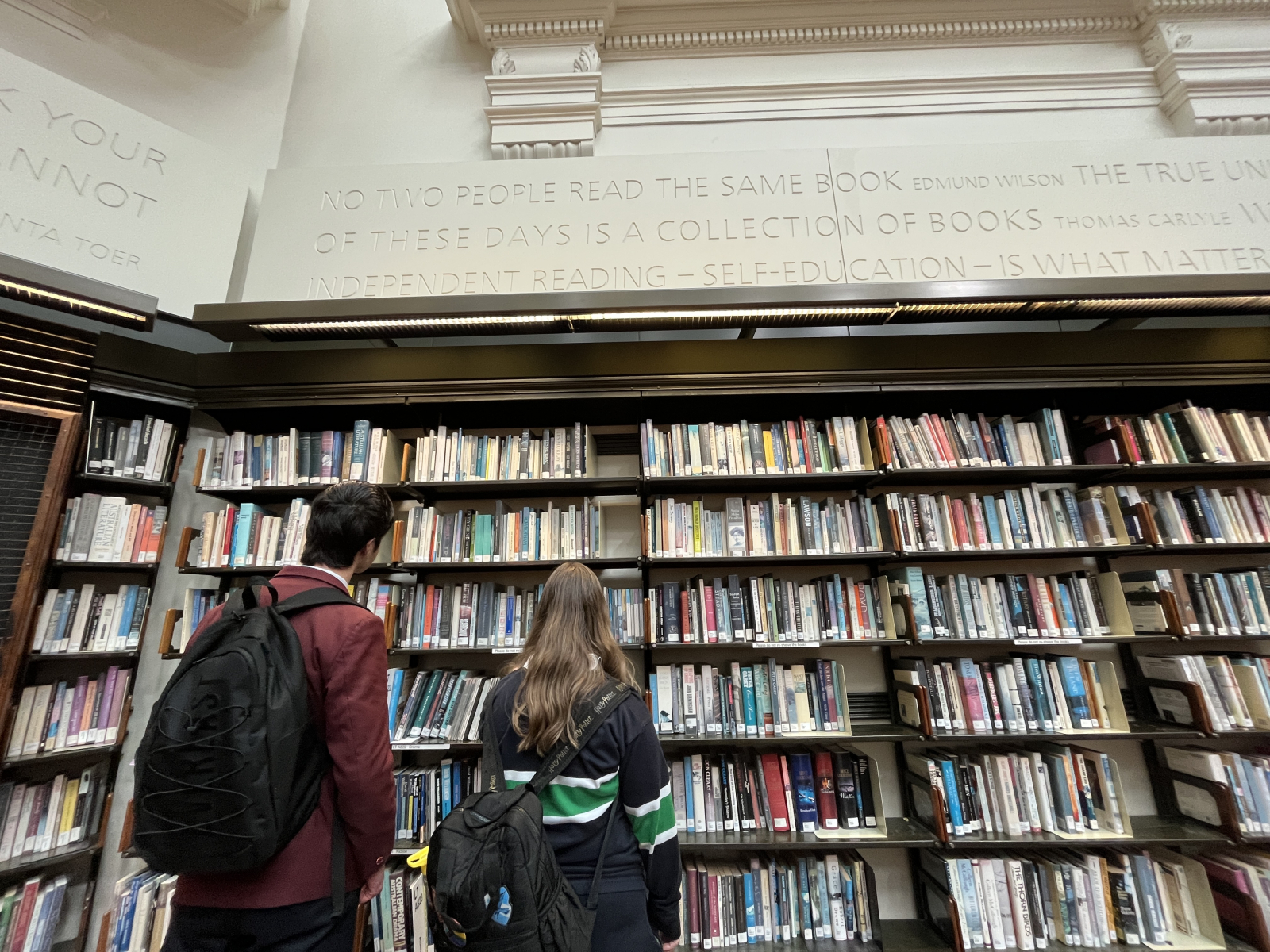
The study of Literature encourages independent and critical thinking in students’ analytical and creative responses to texts, which will assist students in all their academic study, in particular English and Literature.

Literature at Year 10 looks at texts both modern and classical, in different forms – poetry, drama, novels and film. Students are taught to frame their responses to these texts, examining the writer’s social and cultural context and craft. They compare interpretations of characters and themes and consider how people may read the same text differently. Students to develop their awareness of other people, places and cultures and explore the way texts represent the complexity of human experience. Students examine the evolving and dialogic nature of texts, the changing contexts in which they were produced and notions of value. They develop an understanding and appreciation of literature, and an ability to reflect critically on the aesthetic and intellectual aspects of texts.

Types of Assessment

  • Creative assessments
  • Essay
  • Close Analysis
next-icon LEARN MORE
10 English

English Language

Semester Long Elective Study (English)

The study of English Language enables students to further develop and refine their skills in reading, writing, listening to and speaking English. Students learn about personal and public discourses in workplaces, fields of study, trades and social groups. In this study students read widely to develop their analytical skills and understanding of linguistics. Students are expected to study a range of texts, including publications and public commentary about language in print and multi modal form. Students also observe and discuss contemporary language in use, as well as consider a range of written and spoken texts. Knowledge of how language functions provides a useful basis for further study or employment in numerous fields such as arts, sciences, law, politics, trades and education. The study supports language-related fields such as psychology, the study of other languages, speech and reading therapy, journalism and philosophy. It also supports study and employment in other communication-related fields, including designing information and communications technology solutions or programs.

Types of Assessment

  • Portfolio of tasks
  • Creative assessments
  • Essay
  • Written Analysis
  • Oral presentation
next-icon LEARN MORE
VCE Italian

Italian

Semester Long Elective Study (Languages) *equates to 2 elective subjects slots

Year 10 Italian offers a dynamic exploration of the Italian language and culture, focusing on themes such as daily routines, travel, hobbies, passions, and future aspirations. Students will:

Exchange and compare ideas and experiences about their own and others’ personal worlds

Develop Practical Language Skills: Gain proficiency in essential Italian grammar and vocabulary, enabling effective communication in various real-life scenarios.

Understand Cultural Aspects: Explore the cultural aspects that influence language use, thereby enhancing the ability to interact respectfully and effectively within Italian society.

Beyond language acquisition, the course delves into Italy’s rich culture, geography, and history, fostering a deeper understanding and appreciation of the Italian way of life. This cultural immersion enhances students’ global perspectives and interpersonal skills.

Why Choose Italian?

Studying Italian not only enriches your linguistic abilities but also:

Opens Global Opportunities: Prepares students for careers and travel in Italy and other Italian-speaking regions.

Supports Academic Advancement: When combined with subjects like Maths Methods or Specialist Maths at VCE, students become eligible for the VCE Baccalaureate, a certificate recognised by universities worldwide.

Boost your university entrance score: Students who include a language in their VCE receive bonus points towards their Australian Tertiary Admissions Rank, increasing their chance of entry to popular courses. In addition, universities and other tertiary institutions increasingly take into account second-language skills when deciding who to admit. (https://www.vic.gov.au/learn-language-live-your-dreams)

Enrichment Opportunities

Students have the chance to participate in esteemed programs such as:

Italy Study Tour: Experience Italian culture firsthand through travel and immersion.

Dante Alighieri Poetry Competition: Showcase linguistic skills in a prestigious poetry recitation event held at the University of Melbourne.

Assessment Methods

Oral Presentations: Develop and deliver spoken Italian on various topics. Topic Tests: Evaluate understanding of specific units.

Assignments: Engage in projects that apply language skills creatively.

Multimodal Tasks: Integrate reading, listening, and writing exercises to demonstrate comprehensive proficiency.

Key Information

Commitment: Students must commit to a year of further study in Italian upon returning from the school study tour.

next-icon LEARN MORE
590393838 2730681080612135 3874506376029572688 n

Japanese

Semester Long Elective Study (Languages) *equates to 2 elective subjects slots

Year 10 Japanese offers an immersive experience into the language and culture of Japan, with a focus on practical communication skills relevant to daily life, travel, and the workplace. Students will:

Explore Workplace Communication: Learn how to apply for jobs, conduct oneself appropriately in

professional settings, and navigate interactions in tourist environments such as restaurants and hotels, both as employees and clients.

Develop Practical Language Skills: Gain proficiency in essential Japanese grammar and vocabulary, enabling effective communication in various real-life scenarios.

Understand Cultural Nuances: Explore the cultural aspects that influence language use, thereby enhancing the ability to interact respectfully and effectively within Japanese society.

This course not only builds linguistic competence but also fosters intercultural understanding, preparing students for meaningful engagement with Japanese-speaking communities.

Why Choose Japanese?

Studying Japanese provides numerous benefits:

Enhances Communication Skills: Develops the ability to understand spoken Japanese and respond appropriately, facilitating deeper connections with native speakers.

Cultural Insight: Offers a window into Japan’s rich traditions, societal norms, and contemporary lifestyle, broadening global perspectives.

Career and Academic Opportunities: Lays the foundation for further studies in Japanese at the university level and opens doors to careers involving international relations, tourism, translation, and more.

Supports Academic Advancement: When combined with subjects like Maths Methods or Specialist Maths at VCE, students become eligible for the VCE Baccalaureate, a certificate recognised by universities worldwide.

Boost your university entrance score: Students who include a language in their VCE receive bonus points towards their Australian Tertiary Admissions Rank, increasing their chance of entry to popular courses. In addition, universities and other tertiary institutions increasingly take into account second-language skills when deciding who to admit. (https://www.vic.gov.au/learn-language-live-your-dreams)

Enrichment Opportunities

Japan Study Tour: Experience Japanese culture firsthand through travel, school visits, and homestays, enhancing language skills and cultural appreciation.

Cultural Events and Competitions: Engage in activities that celebrate Japanese traditions, cuisine, and arts, fostering a deeper connection to the culture.

Assessment Methods

Oral Presentations: Demonstrate speaking skills through structured presentations on various topics. Topic Tests: Assess understanding of specific language units and grammatical concepts.

Assignments: Apply language skills in written tasks that reflect real-life situations.

Multimodal Tasks: Integrate reading, listening, and writing exercises to showcase comprehensive language proficiency.

Key Information

Commitment: Students must commit to a year of further study in Japanese upon returning from the school study tour.

next-icon LEARN MORE
10 SCFVCE

Science For VCE

Semester Long Elective Study (Science)

In this semester-length elective, students undertake an advanced science curriculum exploring three branches of science: Chemistry, Biology and Physics. Students participate in a variety of activities and investigations, which are designed to prepare and accelerate students for future studies in VCE Sciences. Students learn and apply the scientific method and engage in activities that promote critical, creative and reflective thinking in both collaborative and individual contexts. This subject is designed to introduce students to concepts, skill and ideas drawn from the dot points in the VCE Science Study Designs, as well as the development of the advanced laboratory skills required for VCE Science subjects. Students study covalent bonding and apply this to organic chemistry. They apply the concept of the mole to carry out quantitative analysis of chemical reactions. Students will look at the impact mutations have on living things and their role in natural selection and evolution, which will both be investigated. They will also investigate the nature of electromagnetism and explore its role in electric motors and generators.

Types of Assessment

  • Oral presentation
  • Practical Investigation
  • Topic Test
  • Research assignment

Key Information

Students intending to study Units 1 and 2 Chemistry or Physics must select Science for VCE.

next-icon LEARN MORE

10 Intro to Psych

Introduction To Psychology

Semester Long Elective Study (Science)

This subject is designed to develop student’s understanding of the basic building blocks of VCE Psychology. They will explore topics such as the nervous system and its role in communication within the human body, human behaviour, and scientific methodologies, experimentation and reporting.

It is designed to provide students with the foundational knowledge and skills for studying Psychology at VCE and/or university levels. The course is aimed at students who wish to extend themselves academically, have an interest in learning about the human body and behaviour, pose questions and participate in discussions, enjoy applying theoretical concepts to real life scenarios and have a love of learning.

Types of Assessment

  • Evaluation of research
  • Tests
  • Practical Investigation Lab Report

Key Information

Students will need to apply theoretical knowledge to real-life scenarios and explain their analysis in writing. They will also need to design, run, evaluate and report on their own experiment.

next-icon LEARN MORE

10 Project Earth

Project Earth (Doreen Only)

Semester Long Elective Study (Science)

This semester-long course explores the complex, interconnected systems that sustain life on Earth, providing students with a deep understanding of the scientific mechanisms driving global climate change and the impact of human society on our planet. Throughout the semester, students investigate how energy and matter flow between the geosphere, biosphere, hydrosphere, and atmosphere, using these models to explain patterns in global climate change and identify its causal factors. A core focus is placed on the complete interdependence of all life forms, including humans, on these four spheres for survival and wellbeing, alongside an evaluation of how social, economic, and political systems influence environmental sustainability. The curriculum places a special emphasis on marine science, prompting students to examine how the ocean is directly affected by human activity while studying how marine organisms are uniquely adapted to their salty environments. Ultimately, the course aims to foster a greater sense of empathy for marine life and systems, encouraging students to think critically about solutions for a sustainable future.

Types of Assessment

  • Practical Investigation
  • Topic Test
  • Research assignment

Excursion

Investigating a marine ecosystem

next-icon LEARN MORE

Year 10 change your world

Change Your World

Semester Long Elective Study (Humanities)

The Earth is our home and provides us with everything we need to live. What are we doing to it in return? In the Twenty-First Century, the world faces many environmental challenges. These challenges can range from local scale — the degradation of a nearby creek — through to a global scale — the threat of global warming.

Understanding how people and their environments interconnect is vital for explaining environmental changes and helps in planning for a sustainable future. Across the world, humans have caused many environmental changes: pollution, land degradation and damage to aquatic environments. People have different points of view, or world views, on many of these changes. Climate change is a major environmental change as it affects all aspects of the biophysical environment, such as plants and animals; our land; inland water resources; coastal, marine and urban environments. It is vital that we respond intelligently to, and effectively manage, all future environmental changes to minimise negative social and economic impacts and to ensure that our planet can provide for future generations, your generation.

The planet’s future is in your hands.

Types of Assessment

  • Fieldwork Assessment
  • Geographical Concepts Case Study
  • Extended Writing task – The Three Gorges Dam

Key Information

This is a Semester based subject providing a foundation for VCE Geography study.

next-icon LEARN MORE
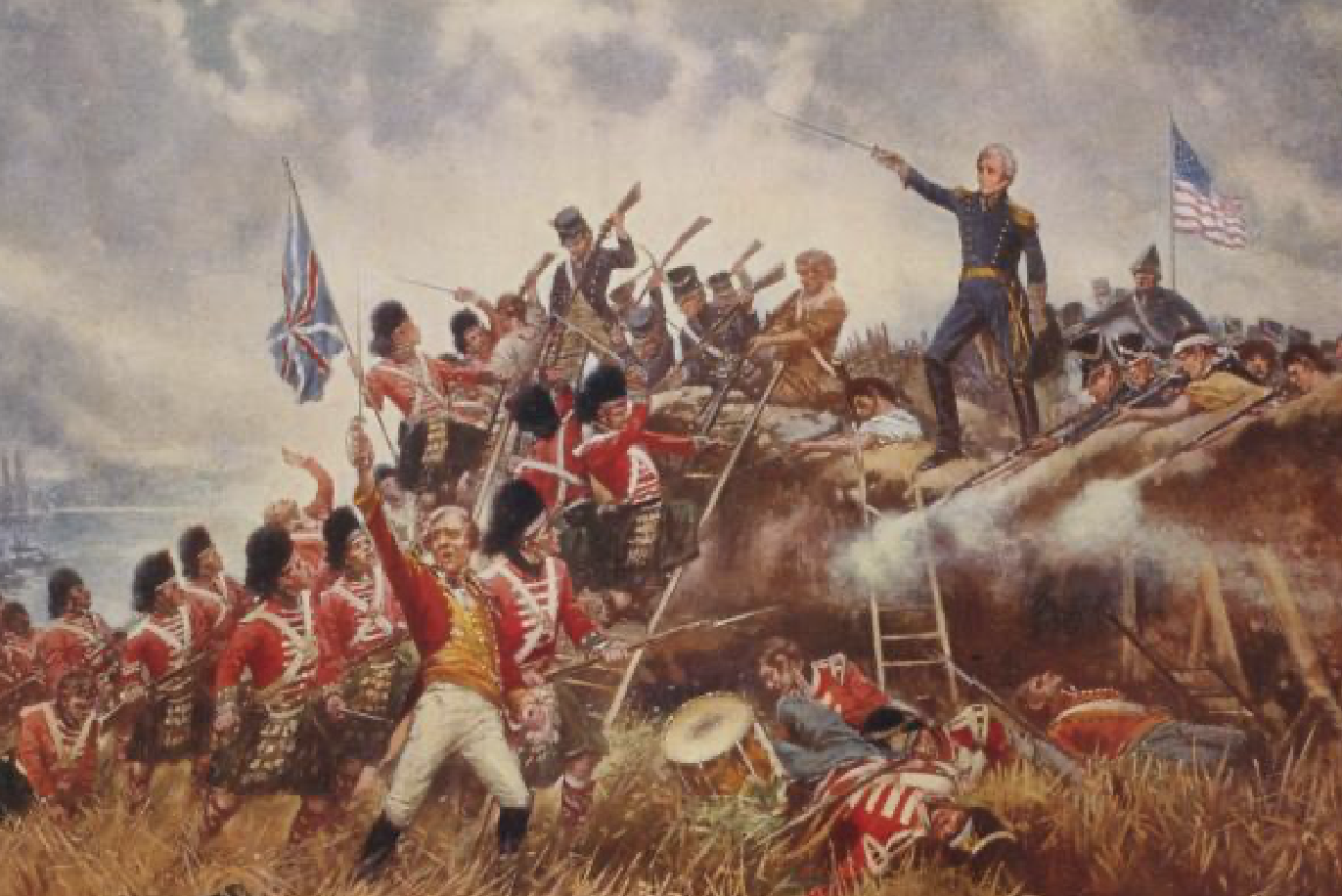
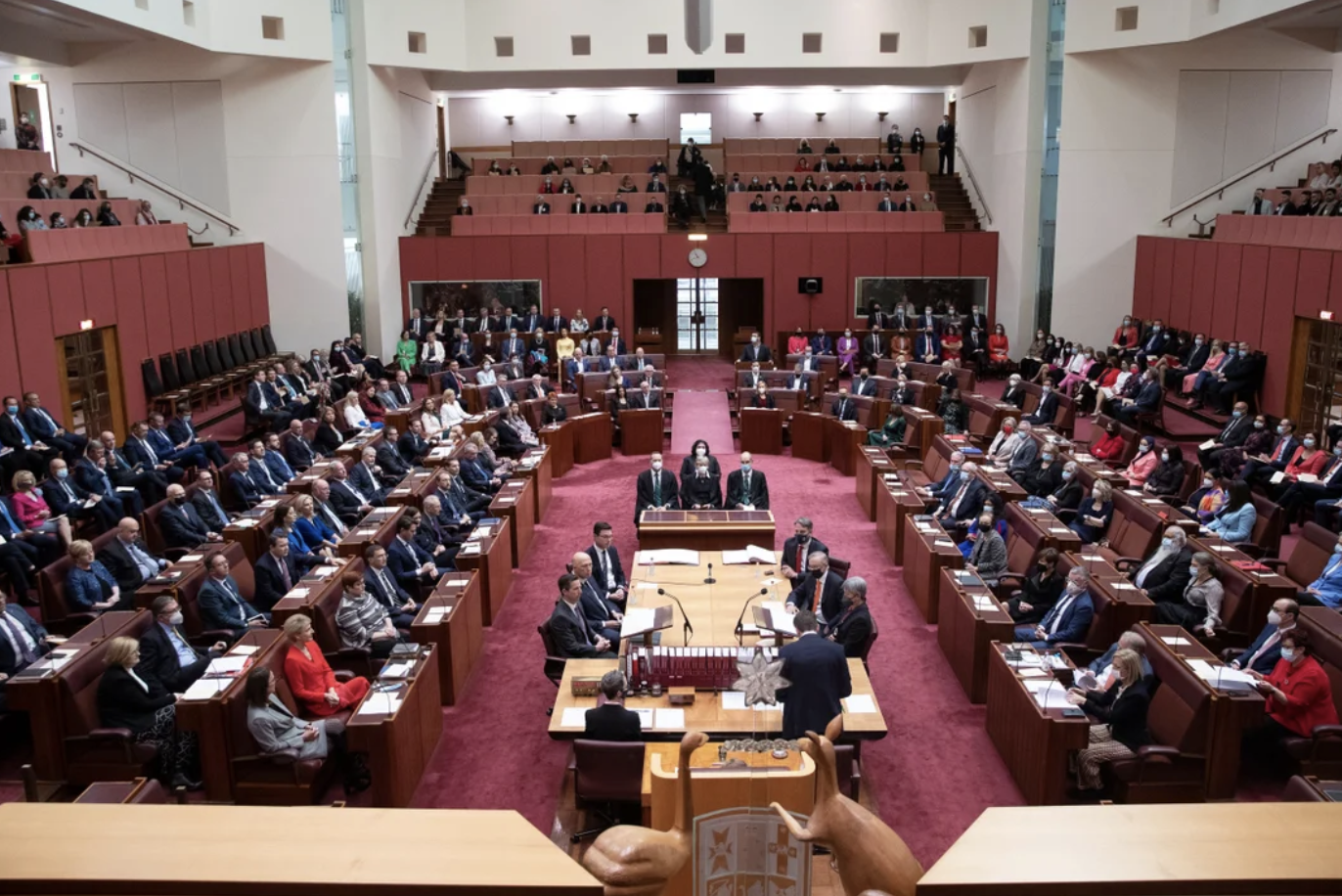
10 Power Politics Law

Power, Politics & Law

Semester Long Elective Study (Humanities)

Students will investigate Australia’s political and legal systems, examine current political issues, and explore how laws are created, interpreted and applied. Through debates, case studies, mock trials and parliamentary-style activities, students will develop critical thinking, communication and decision-making skills. They will also analyse the role of political parties, the media, pressure groups and citizens in influencing government policy and social change.

This subject is ideal for students interested in law, politics, current affairs, leadership and making a difference in their community. It provides a strong foundation for future studies in Legal Studies, Politics, History, Business and the Social Sciences.

Step into the world of power, justice and decision-making—and discover how you can shape the future.

Types of Assessment

  • Topic Test
  • Case studies
  • Debates
  • Mock Trials
  • Examination

Key Information

This subject is ideal for students interested in law, politics, current affairs, leadership and making a difference in their community. It provides a strong foundation for future studies in Legal Studies, Politics, History, Business and the Social Sciences.

next-icon LEARN MORE

10 Freedom Fighters

Freedom Fighters

Semester Long Elective Study (Humanities)

Using historical perspectives and skills, we will explore the concept of justice and investigate those who fought for freedom in a range of contexts. We begin with the rise of Hitler and Nazism that led to persecution of Jews and the Holocaust. We ask what the Righteous Among the Nations did to protect people from persecution under Hitler. Focusing next on the Australian context, we look at Indigenous rights, particularly at the impact on the Stolen Generation, effects of the 1967 Referendum, trail blazers of the Civil Rights Movement and the consequences of the Freedom Rides in Australia. Our topic on women’s freedoms centres on suffragettes, women’s roles during the major world wars, social freedoms during the 1920s and the Women’s Liberation Movement. We will finish the semester with choices and negotiated topics for inquiry by students in areas of interest, by completing a researched Inquiry Project that deepens our understanding of various turning points and struggles for freedom in the Twentieth Century.

Types of Assessment

  • Inquiry Project
  • Source Analysis
  • Extended Response
  • Examination

Key Information

Films as interpretations of the past and virtual reality will be used in this subject.

next-icon LEARN MORE
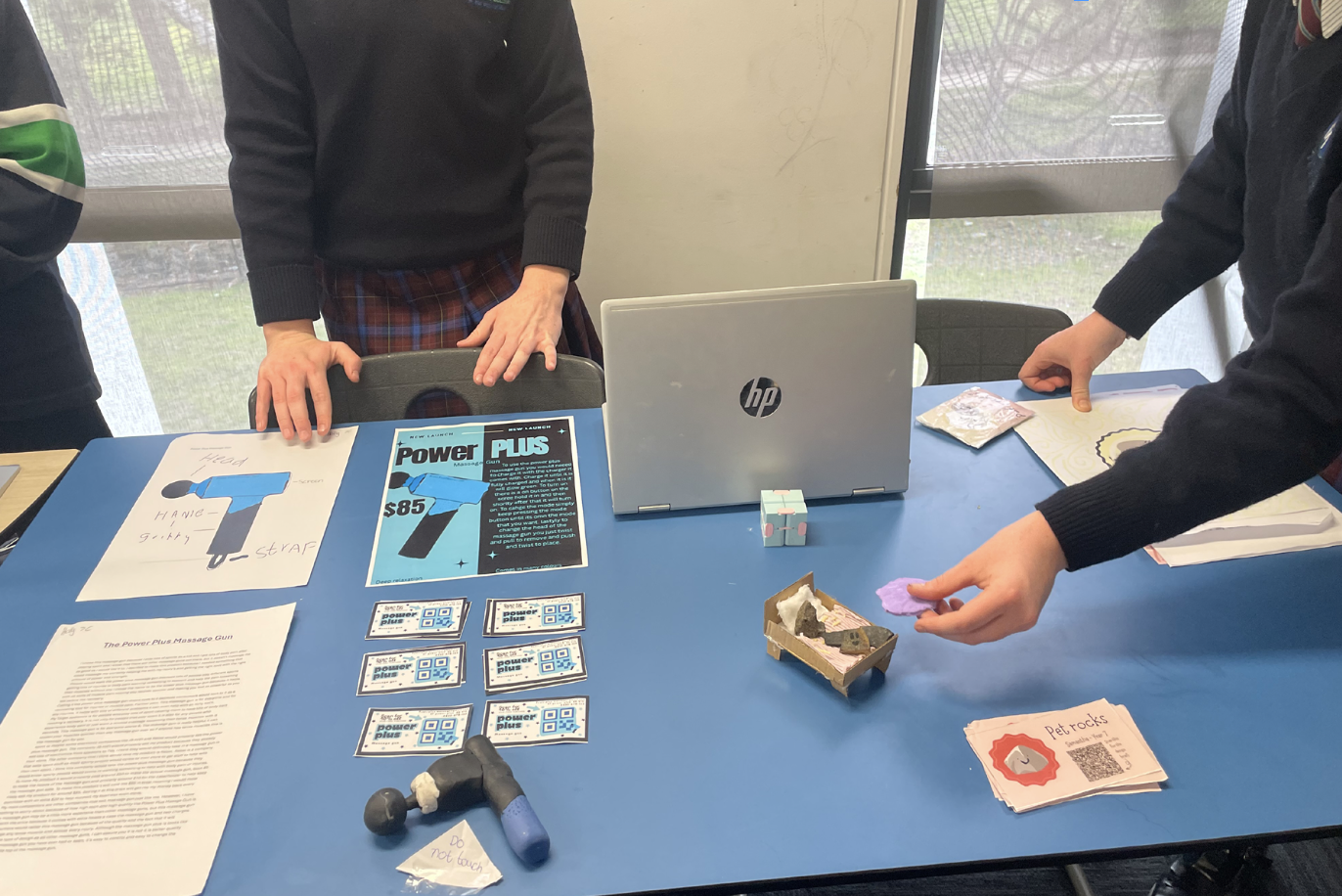
10 Entrepreneurship

Entrepreneurship

Semester Long Elective Study (Humanities)

This subject provides students with an engaging introduction to Economics, Business and Entrepreneurship. Students explore how economic resources are allocated and the choices individuals, businesses and governments make in response to scarcity. They investigate the key participants in the Australian economy and how these groups interact to influence economic outcomes. Students also examine a range of economic indicators used to measure the performance of local and global economies and develop an understanding of the factors that contribute to a nation’s wealth and prosperity. The course then shifts focus to the dynamic world of Business and Entrepreneurship. Students investigate why people establish businesses, the characteristics of successful entrepreneurs and the factors that contribute to business success or failure. Through practical, hands-on learning experiences, students develop their own business idea, create a comprehensive business plan and present a Shark Tank-style pitch. This provides valuable opportunities to develop creativity, problem-solving, communication and enterprise skills that are highly valued in the modern workforce.

Types of Assessment

  • Economics Test
  • Case studies
  • Business Plan & Shark Tank Pitch
  • Examination

Key Information

  • Interactive and educative games
  • “Shark Tank” guest judges
next-icon LEARN MORE
Yr 10 Sport Science

Sports Science

Semester Long Elective Study (Health & Physical Education)

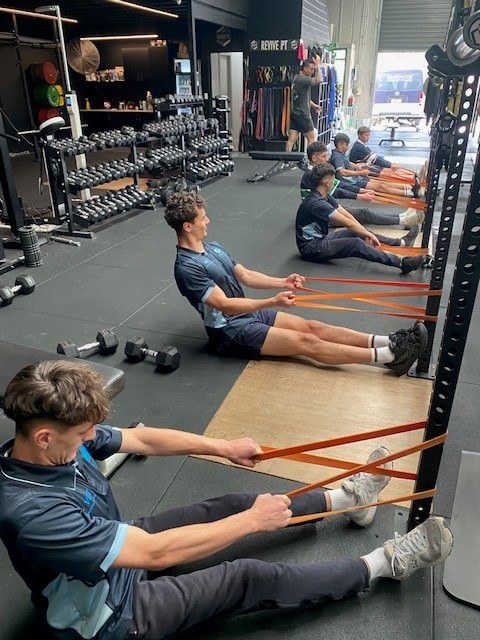
The Sports Science elective is offered to best support students who are considering completing VCE Physical Education. In this subject students review the concepts of fitness components, training principles and training methods while implementing this knowledge and building on it in a practical setting through a personalised 6-week training program. Students will also get an introduction to a range of topics that will be covered and extended upon in VCE. These include, biomechanics and skill acquisition, energy systems and sport psychology. Practical sessions will be laboratory based in order to develop these skill as required at VCE.

Types of Assessment

  • Biomechanics and Energy Systems Tests
  • Laboratories
  • End of Semester Examination
next-icon LEARN MORE
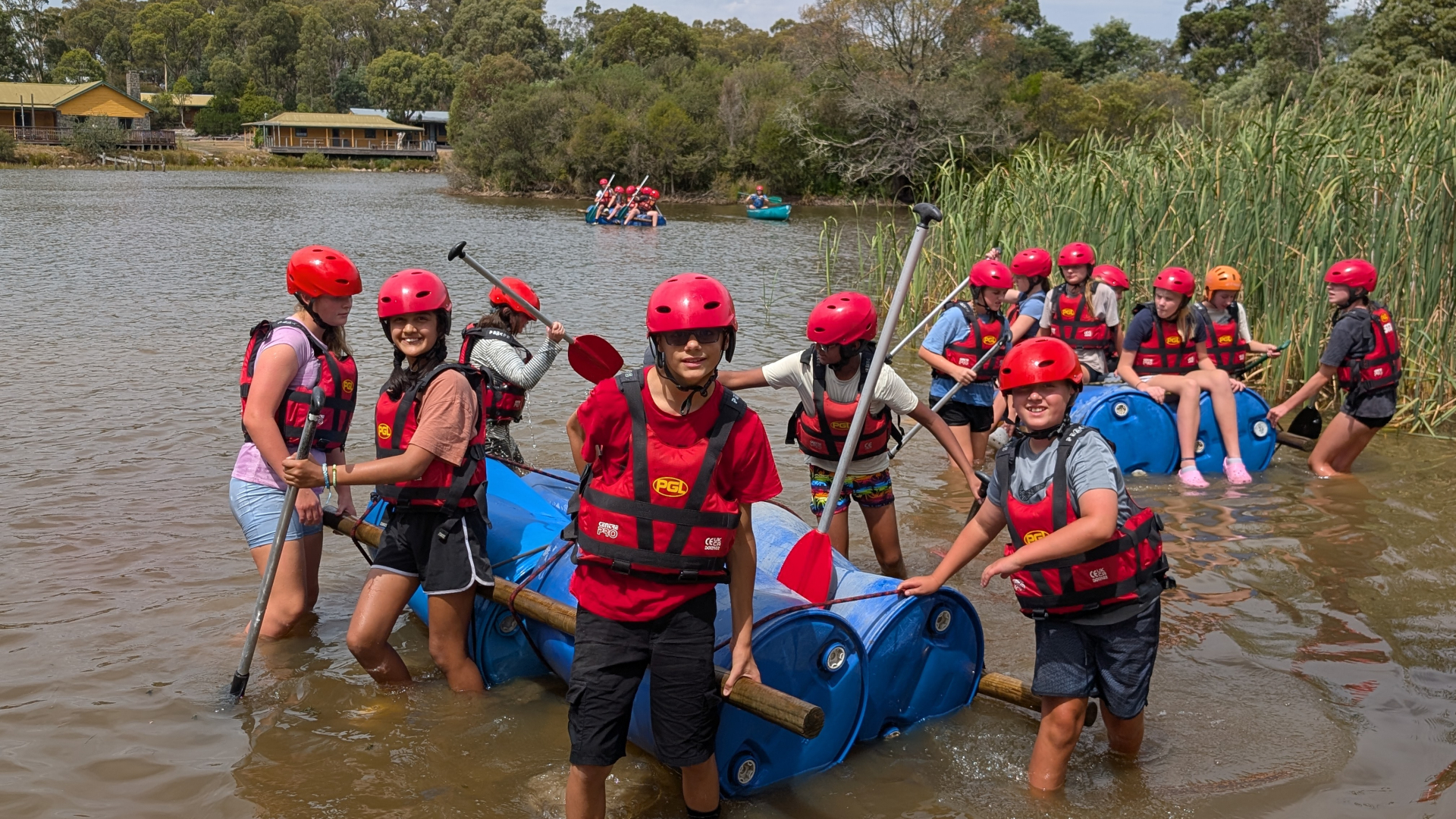
Year 10 OED

Outdoor & Enviromental Studies

Semester Long Elective Study (Health & Physical Education)

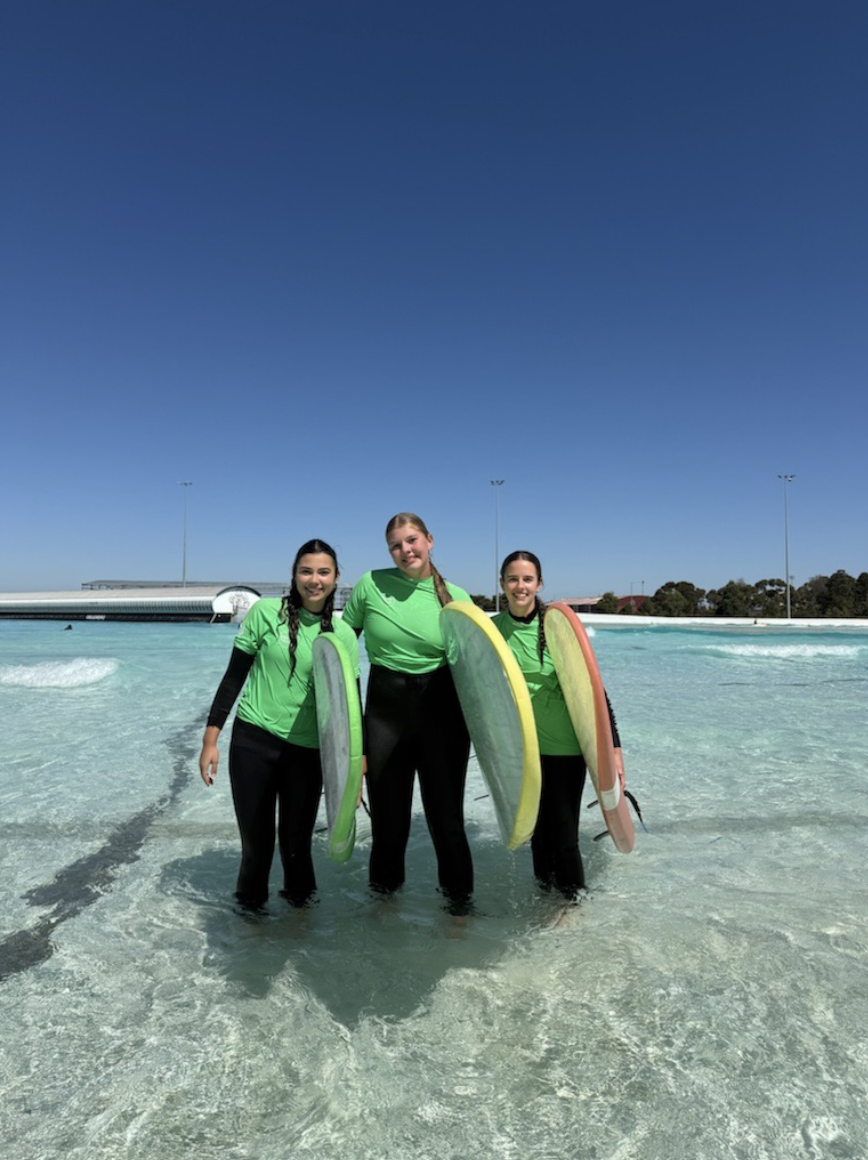
The focus of this Outdoor and Environmental Studies course is to provide students with an understanding of the different types of outdoor environments. Students will have opportunities to gain a deeper understanding of marine and coastal environments, in class and on camp. Additionally, students will explore urban environments and participate in a city excursion. As part of the theory component of this course, students will develop an understanding about the differences between Indigenous and Non-Indigenous environments and perspectives, which will aid in their preparation for VCE Outdoor and Environmental Studies, if they choose to take this pathway. The outdoor experiences in this program are designed to challenge students physically, socially, emotionally and spiritually by taking them outside their comfort zones while participating in a range of practical learning components.

Types of Assessment

  • Phillip Island research task
  • Camp and excursion practical assessment
  • End of semester examination

Key Information

This subject requires students to participate in an overnight camp.

Students undertaking the Outdoor Education Program will incur an additional charge of $300 for the experiences undertaken.

next-icon LEARN MORE
Year 10 All Girls HPE
All Girls HPE (South Morang Only)

Semester Long Elective Study (Health & Physical Education)

All Girls Health and Physical Education program covers a range of topics designed to support students’ understanding of women’s health and promote lifelong physical activity. In Health (theory lessons), students explore key aspects of Women’s Health including the female reproductive system, menstruation, contraception, pregnancy, labour, and common health conditions such as breast cancer. These are supported by incursions such as talks from a Breast Cancer nurse, a midwife, and a PEPP session on endometriosis. Additionally, students examine the role of Women in Sport, investigating historical and current inequalities and opportunities. In Physical Education (practical lessons), students participate in Lifetime Physical Activities unit such as pilates, boxing, walking, weight training, and lawn bowls, aimed at promoting lifelong engagement in fitness and linking where relevant to women’s health topics. They also engage in a Team Sports unit, with a focus on teamwork, and leadership, fostering collaboration and active participation.

Types of Assessment:

  • Women’s health test
  • Women in Sport video/podcast
  • Practical participation in both units; Lifetime Physical Activity and Team Sports
  • End of Semester Examination

Key Information:

This is a Semester based subject that can be selected in addition to Year 10 Core HPE. This subject is only open to female students.

next-icon LEARN MORE
MUSIC YEAR 10

Music That Changed The World

Semester Long Elective Study (Performing Arts)

In Year 10 Music, students will investigate influential music and songs that have impacted social, political, and cultural movements. Students will analyse, perform, arrange, and create music inspired by these works. Students will develop their own performance and composition skills to bring together a live performance experience showcasing their learning

Students will

  • Evaluate an important and historical piece of music, including ATSI Music.
  • Analyse and makes links between the music, media, storytelling and events at the time.
  • Develop skills in band and live performance.
  • Create and perform in solo and group settings.
  • Run a live music concert / event that showcases their learning from start to finish.

Types of Assessment

  • Music Performances
  • Folio Tasks
next-icon LEARN MORE

10 Dance Industry

Dance Industry

Semester Long Elective Study (Performing Arts)

In Year 10 Dance, students will explore and investigate the Dance Industry, including audition skills, show reels and dance creation. Students will get a sneak peek behind the curtain and see what it is like to work in the performance industry by attending workshops on dance creation and watching live performances.  Students will then, put this knowledge into practice at our Dance Industry Night, where you will create your dance pieces under the guidance of the Dance teacher. The year 10 course is specially designed to prepare you for the dance industry, while also preparing you for VET or VCE Dance by exploring how production aspect; costumes, set, props and make up can help evaluate your performance. Additionally, learning about the importance of looking after your body, through Safe Dance practices and injury prevention exercises.

Types of Assessment

  • Choreography & Dance Making
  • Performance
  • Dance Analysis

Key Information

This subject requires students to perform in front of audiences

next-icon LEARN MORE

10 Live Production the crew

Live Production: The Crew

Semester Long Elective Study (Performing Arts)

Ever wondered what really happens behind the curtain? Step into this live theatre course with a backstage pass as The Crew—a hands-on, action-packed subject where you become part of the team that makes theatre magic happen. In this course, students will explore the vital production roles that bring a show to life, which could include, lighting design, sound design, stage management, set design, costumes, props, publicity, and more. You won’t just learn about them—you’ll do them. You will work collaboratively as a class as a real production team to and take on a specialist role to support one of the school’s shows for the year.  Students will view a professional production throughout the semester and explore the design process of the show. Students will get to create their own interpretation of a design through prop creation, set design, costume or makeup design based on the professional performance they view and delve into the intention and reasoning behind each production role.

From cueing lights and mixing sound to organising backstage chaos and producing set and prop concepts, you’ll gain practical skills, real-world experience, and a whole new appreciation for theatre.

Types of Assessment

  • Design Presentation
  • Production Role Application
  • Concept Designs

Key Information

This subject requires students to work collaboratively and present to classmates and teachers.

next-icon LEARN MORE

10 Drama

Drama

Semester Long Elective Study (Performing Arts)

In Year 10 Drama, students have the opportunity to devise and create an ensemble performance that they get to perform at the Malthouse Theatre in the city to a live audience. This subject provides the opportunity for students to explore the skills of character acting while discovering how performance has developed through time to become theatre, as we know it today. Specifically, we practice the diverse range of acting and playmaking techniques required to create interesting characters on stage. The development of Dramatic Elements and the application of theatrical styles are fundamental to this unit. These processes will take place through guided improvisation as well as using chosen scripts and stimulus material.

Year 10 Drama gives students a wide range of practical experiences, live theatre performances and the application of these skills while developing individual and group performance skills.

Types of Assessment

  • Performance Making
  • Presenting a performance
  • Written Documentation

Key Information

This subject requires students to perform in front of audiences

next-icon LEARN MORE

10 Art Making and Exbit

Art Making & Exhibiting

Semester Long Elective Study (Visual Arts)

In Year 10 Art Making, students have the opportunity to explore their creativity by trialling materials, methods and techniques of their own choice. Students look at common themes in art and develop ideas that express their own interpretation of these concepts. Students then create artworks under the guidance of teachers and technicians practiced in the Visual Arts.

Students have the opportunity to explore a range of the following art forms:

  • Photography
  • Sculpture
  • Digital Art
  • Painting
  • Ceramics
  • Mixed Media
  • Drawing
  • Conceptual Art

This is a wonderful stepping stone for students wishing to explore Art Creative Practice, Art Making and Exhibiting, Visual Communication Design, and Media in VCE.

Types of Assessment

• Research Assignment

• Visual Diary

• Portfolio of Artworks

Key Information

This is a great chance to specialise in your own particular interests in the Visual Arts and an excellent stepping stone into VCE Studio Arts.

next-icon LEARN MORE
Year 10 media

Media

Semester Long Elective Study (Visual Arts)

Students learn about codes and conventions of film analysis and demonstrate their knowledge with an end of topic test

Students explore various types of music videos to understand their unique characteristics and styles. They then create their own music video, focusing on visual storytelling and carefully planning its production design.

Students learn the basics of photography, including composition and lighting techniques. They then engage in a narrative photo project, where they apply their skills to create visually compelling images that tell a story. Additionally, students explore the use of software like Photoshop to enhance and edit their photographs.

Types of Assessment

  • Music Video
  • Production Design Plan and Short Film
  • Film analysis topic test
  • Narrative photography

Key Information

This subject requires students to be critical thinkers and passionate storytellers.

next-icon LEARN MORE
10 Textiles

Non- Resistant Materials (Textiles)

Semester Long Elective Study (Design Technologies)

In Year 10 Textiles, students extend their existing knowledge of hand-sewing techniques while continuing to build confidence and precision with the sewing machine. They are introduced to commercial patterns, learning to interpret pattern markings, instructions, and terminology, alongside developing an understanding of fabrics and fibres—how they are produced, their properties, and their suitability for different end uses. Through hands-on tests and trials, students explore how material choices impact design outcomes.

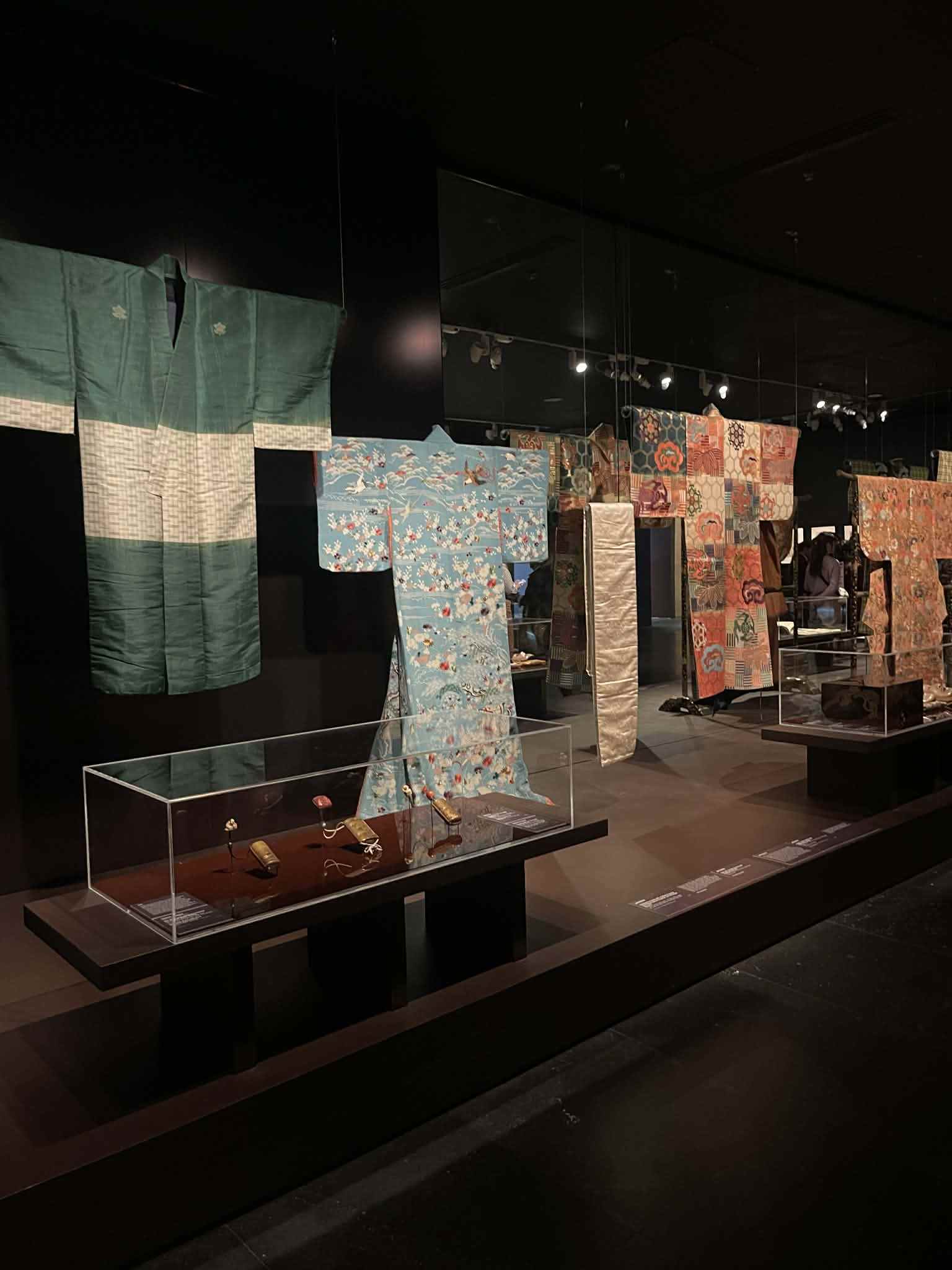
Using this knowledge, students design and create a final garment or textile piece inspired by Japanese kimono aesthetics. Their work incorporates a range of hand embellishment techniques such as embroidery, beading, and appliqué, alongside experimental processes like hand dyeing to personalise their fabrics. Throughout the unit, students continue to apply the Double Diamond Design Process to investigate, develop, design, and produce a refined and successful end product, demonstrating both technical skill and creative expression.

Types of Assessment

  • Design Folio/workbook - including drawings, research and evaluation related to the design brief
  • Skill demonstrations
  • Construction of products
  • Practical and theory components
  • Examination
next-icon LEARN MORE
10 wood

Resistant Materials (Wood)

Semester Long Elective Study (Design Technologies)

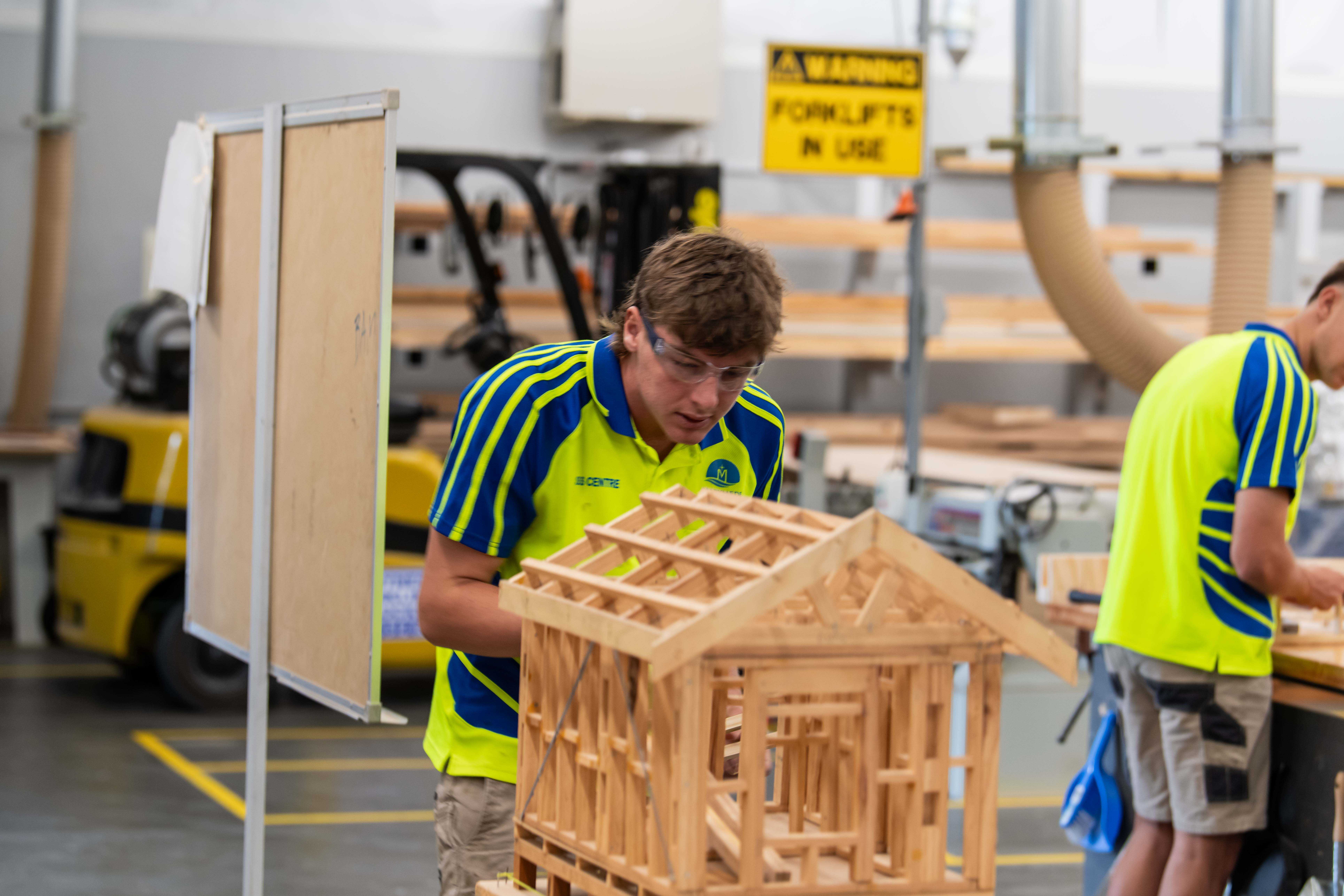
Students will use the Double Diamond Design Process to develop solutions to a design problem and create an innovative product that meets the needs of an end user. They will conduct research and produce both a design folio and a finished product to address a chosen problem or need. Students may create multiple products if time permits.

Throughout the course, students will use a range of tools, machines, emerging technologies and resistant materials to produce high-quality outcomes using a variety of techniques and processes. This subject develops creativity, critical thinking and problem-solving skills that are highly transferable.

Types of Assessment

  • Product Design Folio
  • Completed product
  • Examination
next-icon LEARN MORE
10 code, ai cyber

Code, AI & Cyber

Semester Long Elective Study (Design Technologies)

This course prepares students for VCE Applied Computing/Software Development by extending their skills in coding, problem solving and emerging technologies. Students develop their Python programming skills through procedural coding and structured programming activities. Students strengthen their algorithmic thinking by designing, tracing and evaluating solutions using pseudocode, flowcharts and Python code incorporating variables, conditionals, loops and functions.

They design and build interactive applications through programming graphical user interfaces (GUI) with the Python library (tkinter), applying structured problem-solving approaches to develop and refine digital solutions. Students are also introduced to object-oriented programming concepts.

Students explore key concepts in artificial intelligence and cyber security, applying the problem-solving methodology to investigate and create solutions to real-world challenges.

Types of Assessment

  • Programming Portfolio
  • Project Based Application Tasks

Key Information

Students should have an interest in programming and a desire to learn how technology works at a deeper level.

next-icon LEARN MORE

10 Food Mexican Feast

Food Studies

Semester Long Elective Study (Design Technologies)

In Year 10 Food Studies, students explore how food choices impact health, the environment and the future of food. They learn about sustainable food systems, food packaging and labelling, and how to be responsible food citizens. Students also complete an engaging design task focused on future foods.

In The Food Lab topic, students investigate the science behind cooking, learning how food processes influence sensory properties, and apply this knowledge through hands-on practical activities. In the final unit, students explore Australian food culture—from Aboriginal Bush Tucker to modern multicultural cuisine—and how history and migration have shaped what we eat today.

Types of Assessment

  • Practical cooking
  • Research assignments
  • Design Brief & Folio
  • Examination
next-icon LEARN MORE
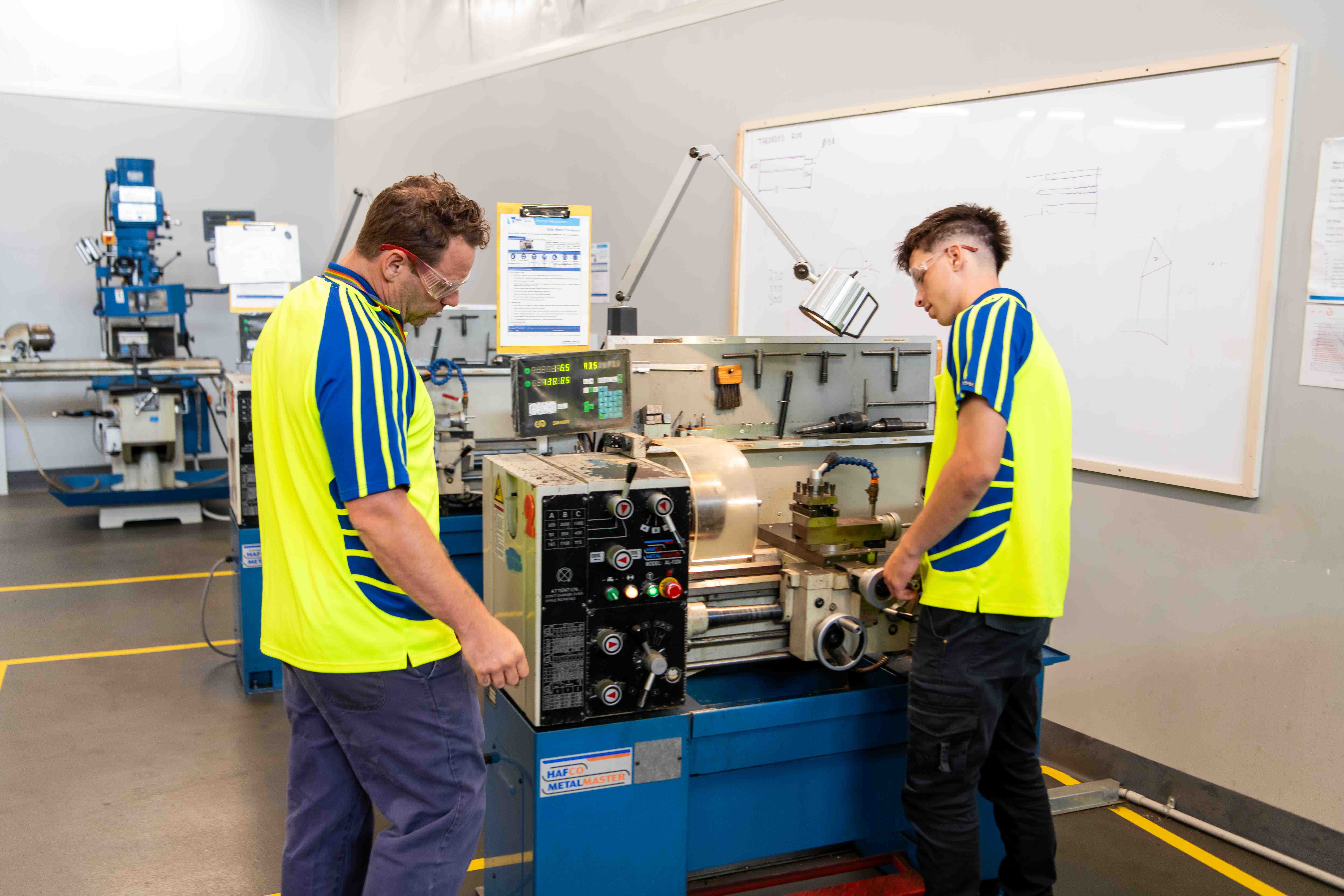
10 Hosp Mis en place

Hospitality (South Morang Only)

Semester Long Elective Study (Design Technologies)

In Year 10 Hospitality, students explore the role of food in a commercial setting and develop the skills needed to prepare and serve food to others. They begin by learning foundational French cooking terminology and precision knife skills to improve presentation and food quality. Students build their understanding of kitchen Occupational Health and Safety (OHS), food preparation techniques, methods of cookery, food preservation, and current hospitality trends.

Students also complete a Food Handling Certificate, supporting pathways into part-time work in the hospitality industry. They then undertake a food service task, responding to a design brief to create a food truck concept, develop a matching menu item, and cater for staff. Practical work is central to the course, with regular cooking, demonstrations, and hands-on design activities.

Types of Assessment

  • Tests
  • Design Food Truck Folio of theoretical and practical tasks
  • Practical assessments
next-icon LEARN MORE
Subject Selection Guide

Unit 1-4 VCE Studies

VCE English

VCE English*

Unit 1-4 (English)

Unit 1:

Students:

  • make personal connections with, and explore the vocabulary, text structures, language features and ideas in, a text.
  • demonstrate an understanding of effective and cohesive writing through the crafting of their own texts designed for a specific context and audience to achieve a stated purpose; and to describe individual decisions made about the vocabulary, text structures, language features and conventions used during writing processes.

Unit 2:

Students:

  • explore and analyse how the vocabulary, text structures, language features and ideas in a text construct meaning.
  • explore and analyse persuasive texts within the context of a contemporary issue, including the ways argument and language can be used to position an audience; and to construct a point of view text for oral presentation.

Unit 3:

Students:

  • to analyse ideas, concerns and values presented in a text, informed by the vocabulary, text structures and language features and how they make meaning.
  • demonstrate effective writing skills by producing their own texts, designed to respond to a specific context and audience to achieve a stated purpose; and to explain their decisions made through writing processes.
  • Texts selected for study must be chosen from the Text List published annually by the VCAA

Unit 4:

Students:

  • analyse the use of argument and language in persuasive texts, including one written text (print or digital) and one text in another mode (audio and/or audio visual); and develop and present a point of view text.
  • analyse explicit and implicit ideas, concerns and values presented in a text, informed by vocabulary, text structures and language features and how they make meaning.
  • Texts selected for Area of Study 1 must be chosen from the Text List published  annually by the VCAA

Please Note:

This is a compulsory subject. All VCE students must complete English as part of their  program. The study score received for English is counted in ATAR calculation in it’s  entirety, whether it is a student’s strongest subject or weakest subject. University courses  requiring an ATAR for admission will generally too have a minimum English study scorerequirement.

Assessment may include:

  • Analytical essay
  • Creative piece
  • Oral Presentation
  • Analysing and Presenting  argument

Complementary subjects:

  • Literature
  • English Language
  • History
  • Politics
  • Theatre Studies
next-icon LEARN MORE
VCE English Language

VCE English Language

Unit 1-4 (English)

Unit 1:

Students:

  • identify and describe primary aspects of the nature and functions of human language.
  • identify and describe types of language acquisition, and to discuss and investigate language acquisition in the context of linguistic theories.

Unit 2:

Students:

  • identify and describe language change and its effects on the English language and analyse attitudes to language change.
  • to identify and explain the effects of the global spread of English through spoken and written texts.

Unit 3:

Students:

  • identify, describe and analyse distinctive features of informal language in written and spoken texts.
  • identify, describe and analyse distinctive features of formal language in written and spoken texts.

Unit 4

Students:

  • identify, describe and analyse varieties of English in Australian society, the attitudes towards them and the identities they reflect identify, describe and analyse how variation in language, linguistic repertoires and language choices reflects and conveys people’s identities.

Assessment may include:

  • Essay
  • Report
  • Analytical Commentary
  • Short answer questions
  • Folio of annotated texts

Recommended for students who:

The study of VCE English Language enables students to consider their understanding and application of English using a set of metalinguistic tools informed by the discipline of linguistics.

This focus provides students with fresh insights into their language choices, the values and assumptions constructed when considering the language use of others, and the power of language to control, shape and disrupt our lives.

Complementary subjects:

  • Literature
  • Science
  • Languages
next-icon LEARN MORE
VCE Literature

VCE English Literature

Unit 1-4 (English)

Unit 1:

Reading practices Students:

  • respond to a range of texts through close analysis. Exploration of literary movements and genres
  • explore conventions common to a selected movement or genre, and engage with the ideas,
  • concerns and representations from at least one complete text alongside multiple samples of other texts considered characteristic of the selected movement or genre.

Unit 2:

Voices of country Students:

  • explore and reflect on the voices, perspectives and knowledge in the texts of Aboriginal and Torres Strait Islander authors and creators
  • The text in its context

Students:

  • analyse and respond to the representation of a specific time period and/or culture explored in a text and reflect or comment on the ideas and concerns of individuals and groups in that context.

Unit 3:

Adaptations and transformation Students:

  • analyse aspects of a text, drawing on close analysis of textual detail, and then discuss the extent to which meaning changes when that text is adapted to a different form.

Developing interpretations Students:

  • develop interpretations of a set text informed by the ideas, views and values of the set text and a supplementary reading.

Unit 4:

Creative responses to texts Students:

  • respond creatively to a text and comment critically on both the original text and the creative response.

Close analysis of texts Students:

  • analyse literary forms, features and language to present a coherent view of a whole text.

Assessment may include:

  • Creative response
  • Oral presentations
  • Close analysis
  • Literary perspectives response
  • Context pieces


Recommended for students who:

The study of VCE Literature fosters students’ enjoyment and appreciation of the artistic and aesthetic merits of stories and storytelling, and enables students to participate more fully in the cultural conversations that take place around them. By reading and exploring a diverse range of established and emerging literary works, students become increasingly empowered to discuss texts. As both readers and writers, students extend their creativity and high-order thinking to express and develop their critical and creative voices.

Complementary subjects:

  • English
  • History
  • Theatre Studies
next-icon LEARN MORE
VCE Health Human Development

VCE Health & Human Development

Unit 1-4 (Health & Physical Education)

Unit 1: Understanding health and wellbeing 

Students:

  • explain multiple dimensions of health and wellbeing, explain indicators used to measure health status and analyse factors that contribute to variations in health status of youth.
  • apply nutrition knowledge and tools to the selection of food and the evaluation of nutrition information.
  • interpret data to identify key areas for improving youth health and wellbeing, and plan for action by analysing one area in detail.

Unit 2: Managing health and development 

Students:

  • look at changes and expectations that are part of the progression from youth to adulthood
  • explain developmental changes in the transition from youth to adulthood
  • analyse factors that contribute to healthy development during prenatal and early childhood stages of the lifespan and explain health and wellbeing as an intergenerational concept.
  • describe how to access Australia’s health system, explain how it promotes health and wellbeing in their local community, and analyse a range of issues associated with the use of new and emerging health procedures and technologies.

Unit 3: Australia’s health in a globalised world 

Students:

  • explore biological, sociocultural and environmental factors influencing health outcomes
  • Interpret and apply indicators used to measure health outcomes
  • look at various public health approaches over time and the interdependence of different models as they research health improvements and evaluate successful programs.

Unit 4: Health and human development in a global context 

Students:

  • use data to investigate health status, burden of disease and human development in different countries, exploring factors that contribute to health inequalities between and within countries, including the physical, social and economic conditions in which people live.
  • build their understanding of health in a global context through examining changes in burden of disease over time and studying the key concepts of sustainability.
  • Explore the importance of the UN’s Sustainable Development Goals.
  • evaluate the effectiveness of health initiatives and aid programs in a global context and reflect on their capacity to take action.

Assessment may include:

  • Case Studies
  • Structured Questions
  • Data Analysis
  • Extended Response

Recommended for students who:

  • have strong literacy skills and can analyse and interpret data.
  • are able to navigate information, to recognise and enact supportive behaviours, and to evaluate healthcare initiatives and interventions.
  • have an interested in health promotion, community health research and policy development, humanitarian aid work, allied health practices, education, and the health profession.

Complementary subjects:

  • Psychology
  • Physical Education
  • Biology
next-icon LEARN MORE
VCE Outdoor Environmental Studies

VCE Outdoor & Environmental Studies

Unit 1-4 (Health & Physical Education)

Unit 1: Connections with outdoor environments

  • Students examine the ways in which Indigenous peoples and non-Indigenous peoples understand and relate to nature through experiencing outdoor environments.
  • Students develop a clear understanding of the range of motivations for interacting with outdoor environments, the factors that affect an individual’s access to experiencing outdoor environments and how they connect with outdoor environments.
  • Through outdoor experiences, students develop practical skills and knowledge to help them act sustainably in outdoor environments.

Unit 2: Discovering outdoor environments

  • Students study the effects of natural changes and impacts of land management practices on the sustainability of outdoor environments by examining a number of case studies of specific outdoor environments.
  • Students develop the practical skills required to minimise the impact of humans on outdoor environments.
  • Students develop theoretical and practical understanding of outdoor environments by reflecting on experiences, comparing different settings, and exploring various vocational perspectives.
  • ** Students participate in two camps and a range of incursions and excursions, providing them with the
  • opportunity to meet the outdoor experiences hours requirement (25-50 hours). These are compulsory events that students studying the subject must attend.

Unit 3: Relationships with outdoor environments

  • Students explore the ecological, historical and social contexts of relationships between humans and outdoor environments in Australia. They look at a range of case studies of a range of impacts on outdoor environments are examined in the context of the changing nature of human relationships with outdoor environments in Australia over 60,000 years.
  • Students consider several factors that influence relationships with outdoor environments. They also examine the dynamic nature of relationships between humans and their environment.
  • During practical experiences, students make comparisons between, and reflect upon, outdoor environments, as well as develop theoretical knowledge and skills about specific outdoor environments.

Unit 4: Sustainable outdoor environments

  • Students explore the sustainable use and management of outdoor environments.
  • Students examine the importance of the sustainability of human relationships with outdoor environments and the urgent need to balance human needs and the needs of outdoor environments.
  • Students learn and apply the practical skills and knowledge required to sustain healthy outdoor environments and evaluate the strategies and actions they employ.
  • As global citizens, students investigate how individuals and community members take action towards promoting sustainable and healthy outdoor environments and describe possible solutions to threats facing outdoor environments and their sustainability.

** Students participate in two camps and a range of incursions and excursions, providing them with the

opportunity to meet the outdoor experiences hours requirement (25-50 hours). These are compulsory events that students studying the subject must attend.

Please Note:
This subject has a levy of $600 per year and will involve a commitment of multiple overnight camps across the course of the year

Assessment may include:

  • Folio
  • Research Report
  • Test
  • Structured Questions

*Students must undertake practical component hours (camps and excursions) in order to gain a satisfactory result in this subject.

Recommended for students who:

  • have an interest in outdoor experiences
  • want to understand how humans interact with and relate to outdoor environments
  • can apply their understanding of environmental sustainability
  • understand the importance of environmental health, particularly in local contexts

Complementary subjects:

  • VET Sport & Recreation
  • Physical Education
  • Geography
  • Environmental Science
next-icon LEARN MORE
VCE Physical Education

VCE Physical Education

Unit 1-4 (Health & Physical Education)

Unit 1: The human body in motion 

Students:

  • explore how the musculoskeletal and cardiorespiratory systems work together to produce movement.
  • explore, through practical activities, the relationships between the body systems and physical activity, sport and exercise, and how the systems adapt and adjust to the demands of the activity.
  • consider the implications of the use of legal and illegal practices to improve the performance of an athlete.

Unit 2: Physical activity, sport and society 

Students:

  • develop understanding of physical activity, sport and society from a participatory perspective.
  • are introduced to types of physical activity and the role participation in physical activity and sedentary behaviour plays in their own health and wellbeing as well as in other people’s lives in different population groups.
  • apply various methods to assess physical activity and sedentary behaviour levels at the individual and population level, and analyse the data in relation to physical activity and sedentary behaviour guidelines.
  • explore interpersonal and intrapersonal issues that influence access to and inclusion in physical activity.

Unit 3: Movement skills and energy for physical activity 

Students:

  • investigate the relative contribution and interplay of the three energy systems to performance in physical activity, sport and exercise.
  • explore the causes of fatigue and consider different strategies used to postpone fatigue and promote recovery.
  • use a variety of tools and techniques to analyse movement skills and apply biomechanical and skill acquisition principles to improve and refine movement in physical activity, sport and exercise.

Unit 4: Training to improve performance 

Students:

  • will explore the aerobic and anaerobic fitness components.
  • will design 6-week training program the correct application of training principles and methods to enhance performance.
  • Explain a range of chronic adaptations to training that leads to improved performance.

Assessment may include:

  • Folio
  • Practical Investigation
  • Lab Report
  • Structured Questions

Recommended for students who:

  • have a strong interest in sport
  • are able to integrate physical, written, oral and digital learning experiences
  • can apply theoretical concepts
  • can reflect critically on factors that affect all levels of performance and participation in sport, exercise and physical activity

Complementary subjects:

  • VET Sport & Recreation
  • Health & Human Development
  • Biology
next-icon LEARN MORE
VCE Accounting

VCE Accounting

Unit 1-4 (Humanities)

Unit 1: Role of accounting in business

Students:

  • Explore the establishment of a service business.
  • determine success or failure of a service business.
  • Analyse interpret and evaluate the performance of a service business using Financial and non-financial information.
  • Record Financial data and prepare report for a service business

Unit 2: Accounting and decision-making for a trading business

Students:

  • Record and report for Inventory and discuss the effect of Financial and non-Financial Factors.
  • Record and report for account receivable and accounts payable and examine strategies for managing credit transactions.
  • Develop an understanding of the recording and reporting process for non-current assets.

Unit 3: Financial accounting for a trading business

Students:

  • use the double entry system of recording financial data and prepare reports using the accrual basis of accounting and the perpetual method of inventory recording.
  • develop their understanding of the accounting processes for recording and reporting.
  • interpret reports and information to suggest strategies to the owner to improve the performance of the business.

Unit 4: Recording, reporting, budgeting and decision-making

  • Students:
  • extend their understanding of the recording and reporting process with the inclusion of balance day adjustments and alternative depreciation methods.
  • investigate both the role and importance of budgeting in decision-making for a business.
  • analyse and interpret accounting reports and graphical representations to evaluate the performance of a business.

Note: Students must undertake Unit 2 prior to undertaking the Unit 3 and Unit 4 sequence.

Assessment may include:

  • Case Study
  • Business Investigation
  • Test
  • Structured Questions


Recommended for students who:

  • have strong literacy skills with an ability to read and interpret information and apply it to scenarios
  • are comfortable working with numbers, following formulas and applying structured processes
  • have an interest in understanding the financial structure and processes of a business

Complementary subjects:

  • Business Management
  • General / Further Mathematics
next-icon LEARN MORE
VCE Business Management

VCE Business Management

Unit 1-4 (Humanities)

Unit 1: Planning a business

  • Entrepreneurship and the personal motivation behind starting a business
  • Characteristics of successful business managers and entrepreneurs and how these characteristics contribute to success.
  • Sources of business opportunity such as innovation, recognising and taking advantage of market opportunities
  • Importance of goal setting and decision-making
  • Importance of business concept development
  • Relationship between business opportunities and business concept development
  • Market research and initial feasibility studies
  • Contribution that businesses make to the economic and social wellbeing of a nation

Unit 2: Establishing a business

  • Relationship between the internal environment and the external environment of a business
  • Types of and choice of business structure
  • Costs and benefits of purchasing an existing business compared with establishing a new business
  • Business resource needs and the factors affecting the choice of location, business support services, and planning analysis tools to assist in decision making
  • Overview of business plans, including the benefits of using them and an outline of their key features
  • Corporate social responsibility considerations and business planning.

Unit 3: Managing a business

Students:

  • explore the key processes and issues concerned with managing a business effectively and efficiently to achieve business objectives
  • understand the role of human resources in managing a business
  • Evaluate the role of operations in managing a business
  • examine the different types of businesses and their respective objectives
  • develop an understanding of the complexity and challenge of managing businesses through the use of contemporary case studies
  • investigate strategies to manage both staff and operations to meet objectives

Unit 4: Transforming a business

Students:

  • consider the importance of reviewing key performance indicators to determine current performance and the strategic management necessary to position a business for the future
  • investigate the importance of leadership in change management
  • evaluate business practice against theory
  • consider a variety of strategies to manage change in the most efficient and effective way to improve business performance

Assessment may include:

  • Case studies
  • Practical Investigation
  • Test
  • Structured Questions
  • Extended response

Recommended for students who:

  • have strong literacy and critical thinking skills
  • are able to interconnect the different areas of study, as well as the relationship between key knowledge and key skills
  • can apply business knowledge to a scenario or case study
  • can explain concepts concisely in written form

Complementary subjects:

  • English
  • Legal Studies
  • Accounting
next-icon LEARN MORE
VCE Economics

VCE Economics

Unit 1-4 (Humanities)

Unit 1:

Students:

  • explore the fundamental economic problem, examine the roles of consumers, businesses, and government in the economy, and analyse the factors influencing economic decision-making.
  • explain the role of relative prices and other non-price factors in the allocation of resources in a market-based economy and analyse the extent of competition in markets.
  • analyse the effects of behavioural economics insights on consumers and other economic agents.

Unit 2:

Students:

  • explain the purpose of economic activity, the distinction between living standards and the factors that may affect levels of economic activity and growth
  • explain the factors that affect two economic issues
  • at a local, national and international level and evaluate actions to address the issues.

Unit 3

Students:

  • analyse how markets operate to allocate resources and evaluate the role of markets and government intervention in achieving efficient outcomes.
  • analyse key contemporary factors that may have affected domestic macroeconomic goals over the past two years, evaluate the extent to which the goals have been achieved and discuss the effects on living standards.
  • analyse the factors that may affect the exchange rate, terms of trade and Australia’s international competitiveness.

Unit 4

Students

  • discuss the operation of aggregate demand policies and analyse their intended effects on the achievement of the domestic macroeconomic goals and living standards.
  • discuss the operation of aggregate supply policies and analyse the effect of these policies on the domestic macroeconomic goals and living standards.

Assessment may include:

  • a structured report
  • structured questions
  • a multi-media report
  • a written analysis
  • a blog
  • an essay
  • problem-solving tasks

Recommended for students who:

  • want to gain a better understanding of the world
  • are interested in career opportunities in finance, business management, public policy, and other related fields
  • want to solve complex economic problems through data analysis, problem-solving skills, and research skills

Complementary subjects:

  • Accounting
  • Business Management
next-icon LEARN MORE
VCE G Eography

VCE Geography

Unit 1-4 (Humanities)

Unit 1: Hazards and Disasters

Students:

  • describe the characteristics of hazards and the potential to cause harm to people and or the environment
  • examine the causes, sequence of events and impacts of selected hazards
  • undertake fieldwork of a local hazard and investigate the nature and effectiveness of attempts to reduce vulnerability and mitigation of the chosen hazard.
  • explain the role of spatial technologies in identification and assessment of impacts, and management of hazards and hazard events.
  • Students will focus specifically on volcanoes, earthquakes and cyclones, the processes that form them and their impact on people & environments

Unit 2: Tourism

Students:

  • investigate the characteristics of tourism, with an emphasis on where it has developed, how it has changed over time
  • describe the nature of tourism and the varying factors affecting tourism
  • explain using fieldwork techniques the impacts of tourism and evaluate the effectiveness of measures taken to enhance the positive impacts and/or to minimize the negative impacts at these locations
  • Students will complete fieldwork investigations at Phillip Island and within the Melbourne Central Business District.

Unit 3: Changing the Land

Students:

  • investigate at a local scale land use change using appropriate fieldwork techniques and secondary sources
  • explain the scale of change, the processed and reasons for change and the impacts of change including managing responses
  • analyse global land cover changes that have occurred over time and the impacts caused by the processes of deforestation, and melting glaciers and ice sheets
  • evaluate the effectiveness or likely effectiveness of responses to the impacts of these changes

Unit 4: Human Population – trends and issues

Students:

  • explore the patterns of population change, movement and distribution, and how governments, organisations and individuals have responded to those changes in different parts of the world.
  • examine the dynamics of populations and their economic, social, political and environmental impacts on people and places
  • investigate a growing population and an ageing population
  • evaluate the effectiveness of strategies created in response to the issues and challenges these two populations have

Assessment may include:

  • Case studies
  • Multimedia presentation
  • Fieldwork report
  • Analysis of data
  • Structured Questions


Recommended for students who:

  • are interested in key questions concerning places and geographic phenomena:
    What is there? Where is it? Why is it there? What are the effects of it being there? How could it change in the future?
  • appreciate the complexity, diversity and interactions of the world’s environments, economies and cultures, and the processes that helped form and transform them

Complementary subjects:

  • English
  • Outdoor Education
  • Environmental Science
next-icon LEARN MORE
VCE History Revs

VCE History: Units 1-2 Modern History & Units 3-4 Revolutions

Unit 1-4 (Humanities)

Unit 1: Change and conflict – the Rise of Nazi Germany

Students explore:

  • How did significant events and ideas from 1900 – 1945 contribute to conflict and change?
  • What role did individuals, groups and movements play in social and cultural continuity and/or change?
  • How did ideology (such as liberal democracy, nationalism, imperialism, socialism and communism, militarism, fascism and Nazism) influence the emergence of new
  • nation states and contribute to the causes of World War Two?

Unit 2: The changing world order – The Cold War & Proxy Wars

Students explore:

  • What were the causes of the Cold War?
  • How did Cold War ideology contribute to increased tensions and conflict?
  • What were the consequences of the Cold War on nations and peoples?
  • How did the social, political, economic and cultural conditions influence and change the post-Cold War world?
  • How did the actions and ideas of popular movements and individuals contribute to continuity and change?

Unit 3: Causes and consequences of the French Revolution

Units 3 and 4 repeat the same skills with a different revolution and different methods of assessment. There are two Areas of Study for each Revolution and four separate outcome tasks.

In Outcome 1 of each Revolutions unit, students explore:

  • What were the significant causes of revolution?
  • How did the actions of popular movements and particular individuals contribute to triggering a revolution?
  • To what extent did social tensions and ideological conflicts contribute to the outbreak of revolution?

Unit 4: Causes and consequences of the Russian Revolution In Outcome 2 of each Revolutions unit, students explore:

  • What were the consequences of revolution?
  • How did the new regime consolidate its power?
  • What were the experiences of those who lived through the revolution?
  • To what extent was society changed and revolutionary ideas achieved or compromised?

Assessment may include:

  • Historical Inquiry
  • Evaluation of historical sources
  • Extended Responses
  • Essay

Recommended for students who:

  • have strong English and literacy, analytical and essay writing skills
  • are able to interconnect the different areas of study, as well as the relationship between key knowledge and key historical skills
  • can link historical concepts and apply historical knowledge to a scenario
  • can explain concepts concisely in written form

Complementary subjects:

  • English
  • Literature
  • Legal Studies
next-icon LEARN MORE
VCE Legal Studies

VCE Legal Studies

Unit 1-4 (Humanities)

Unit 1: The Presumption of Innocence

Students:

  • develop an understanding of legal foundations, such as the different types and sources of law, the characteristics of an effective law, and an overview of parliament and the courts.
  • investigate key concepts of criminal law and apply these to actual and/or hypothetical scenarios to determine whether an accused may be found guilty of a crime.
  • develop an appreciation of how a criminal case is determined, and the types and purposes of sanctions.

Unit 2: Wrongs and rights

Students:

  • Investigate key concepts of civil law and apply these to actual and/or hypothetical scenarios to determine whether a party is liable in a civil dispute.
  • explore the methods and institutions that may be used to resolve a civil dispute and provide remedies
  • develop an understanding of how human rights are protected in Australia and possible reforms to the protection of rights, with a specific focus on one case study.

Unit 3: Rights and Justice

Students:

  • examine the methods and institutions in the justice system and consider their appropriateness in determining criminal cases and resolving civil disputes.
  • explore topics such as the rights available to an accused and to victims in the criminal justice system, the roles of the judge, jury, legal practitioners and the parties and the ability of sanctions and remedies to achieve their purposes.
  • investigate the extent to which the principles of justice are upheld in the justice system.

Unit 4: The people, the law and reform

Students:

  • explore how the Australian Constitution establishes the law-making powers of the Commonwealth and state parliaments, and how it protects the Australian people through structures that act as a check on parliament in law-making;
  • develop an understanding of the significance of the High Court in protecting and interpreting the Australian Constitution.
  • investigate parliament and the courts, and the relationship between the two in law-making; consider the roles of the individual, media and law reform bodies in influencing law reform.

Assessment may include:

  • Oral presentation
  • Case studies
  • Essay
  • Test
  • Structured Questions

Recommended for students who:

  • have strong literacy and critical thinking skills
  • are able to interconnect the different areas of study, as well as the relationship between key knowledge and key skills
  • can apply legal knowledge to a scenario, clearly identifying relevant concepts by linking to references in the scenario or case study
  • can explain concepts concisely in written form

Complementary subjects:

  • English
  • Business Management
  • History
  • Religion & Society
next-icon LEARN MORE
VCE Politics

VCE Politics

Unit 1-4 (Humanities)

Unit 1: Politics, power and political actors

Students:

  • Focus on how political actors use power to resolve conflicts and issues relating to how society should operate, over the last decade
  • Study the influence of political individuals: political leaders, ordinary citizens or organisations that have political power and/or authority
  • Examine political issues arising from the tension between political stability and change, where different interests and perspectives are involved
  • Learn about economic or military capacity forms of power
  • Investigate the exercise of power by political actors
  • conduct a close study of a contested political issue in Australia

Unit 2: Democracy: stability and change

Students:

  • Delve into key principles of democracy and assessment of the degree to which these principles are expressed, experienced and challenged, in Australia and internationally
  • Complete an in-depth study of a political issue or crisis that challenges basic democratic ideas or practice
  • Investigate and evaluate the extent to which global political actors and trends can challenge, inhibit or undermine democracy

Unit 3: Global co-operation and conflict

Students:

  • Focus on how political actors use power to resolve conflicts and issues relating to how society
  • should operate, over the last decade
  • Investigate an issue and crisis that poses challenges to the global community
  • Examine the causes and consequences of a humanitarian crisis which must entail either human rights, armed conflict or the mass movement of people
  • Develop knowledge of global actors - in this study they are defined as states, regional groupings, institutions of global governance and non-state actors
  • Examine the perspectives and interests that global actors bring to contemporary issues and crises

Unit 4: Power in the Indo-Pacific

Based specifically on the Indo-Pacific region, students:

  • Investigate the strategic competition for power and influence
  • Examine the interests, perspectives, regional cooperation and stability of global actors
  • Complete an in-depth examination of one state’s perspectives, interests and actions
  • Conduct a close study of Australia’s strategic interests and actions choosing from its relationship with either the People’s Republic of China, Japan, the Republic of India, the Republic of Indonesia or the United States of America
  • Evaluate Australia’s strategic interests and actions in the region and how Australia’s responses to regional issues and crises may have contributed to political stability and/or change

Assessment may include:

  • A political inquiry
  • Analysis and evaluation of sources
  • Extended responses
  • Short-answer questions
  • An essay
  • Examination

Recommended for students who:

  • Are interested in local, regional, national and global current affairs
  • Want to broaden their knowledge of Australian and global political events, relationships, policies and leaders
  • Enjoy analysis and debate
  • Have an interest in humanitarian issues and responses

Complementary subjects:

  • Units 3 & 4 History - Revolutions
  • Units 1 and 2 Modern History
  • Legal Studies
next-icon LEARN MORE
VCE Italian

VCE Italian

Unit 1-4 (Languages)

Unit 1: Exploring Language and Culture

Students:

  • explore daily routines, personal values, and leisure activities.
  • understand family dynamics, friendships, and social interactions.
  • discuss school life, future goals, and career plans.

Unit 2: Language and Culture in Context

Students:

  • learn about daily life, traditions, and social norms within Italian-speaking communities.
  • examine how technological advancements impact Italian society and culture.
  • learn about influential Italians and their contributions.

Unit 3: Expressing Ideas and Perspectives

Students:

  • delve into aspects of self and cultural identity, interpret information, inform others, and reflect upon and develop persuasive arguments.
  • access and share useful information on the subtopics through Italian and consolidate and extend vocabulary and grammar knowledge and language skills.
  • examine the role of media in society.

Unit 4: Exploring Italian Culture and Perspectives

Students:

  • learn about influential Italians and their contributions.
  • explore traditions, arts, and customs that shape Italian identity.
  • gain an understanding social connections within Italian-speaking communities.

Assessment may include:

  • Oral presentation and conversations
  • Written assignments
  • Listening and reading comprehension tasks
  • Multimodal tasks involving reading, viewing, listening and writing

Recommended for students who:

  • have strong literacy skills
  • are able to interconnect the different areas of study, as well as the relationship between key knowledge and key skills
  • can apply linguistic knowledge to a scenario or roleplay

Complementary subjects:

  • English
  • Literature
next-icon LEARN MORE
VCE Janpanese

VCE Japanese

Unit 1-4 (Languages)

Unit 1: Language and Culture in Context

Students:

  • develop an understanding daily life, traditions, and social norms within Japanese-speaking communities.
  • explore experiences of schooling, casual work (arubaito), future aspirations, career choices, employment opportunities, men and women in the workforce.
  • understand social connections within Japanese-speaking communities.

Unit 2: Language and Culture in Context

Students:

  • understand daily life, traditions, and social norms within Japanese-speaking communities.
  • examine how the internet, social media and advertisements influence the world around us.
  • understand daily life, traditions, and social norms within Japanese-speaking communities.

Unit 3: Expressing Ideas and Perspectives

Students:

  • Delve into living in Japan, meeting and visiting people, leisure activities.
  • Examine the importance of food and culture.
  • Explore famous or significant Japanese people in a selected field of endeavour (the arts, sciences, sports, business).

Unit 4: Exploring Japanese Culture and Perspectives

Students:

  • explore traditions, arts, and customs that shape Japanese identity.
  • learn about the influence of innovations in technology, the impact of technological change.
  • understand the impact of caring for the environment, changes in family life, and the ageing society

Assessment may include:

  • Oral presentation and conversations
  • Written assignments
  • Listening and reading comprehension tasks
  • Multimodal tasks involving reading, viewing, listening and writing

Recommended for students who:

  • have strong literacy skills
  • are able to interconnect the different areas of study, as well as the relationship between key knowledge and key skills
  • can apply linguistic knowledge to a scenario or roleplay

Complementary subjects:

  • English
  • Literature
next-icon LEARN MORE
VCE Foundation Mathematics

VCE Foundation Mathematics

Unit 1-4 (Mathematics)

Units 1 & 2

Students will study from a variety of real-life mathematical areas including:

  • Algebra, Number and Structure.
  • Data Analysis, Statistics and Probability.
  • Discrete Mathematics including Finance.
  • Space and Measurement.

Units 3 & 4

Students will build on skills from Units 1 & 2 studying:

  • Algebra, Number and Structure.
  • Data Analysis, Statistics and Probability.
  • Discrete Mathematics including Finance.
  • Space and Measurement.

Course information:

VCE Foundation Mathematics allows students who previously would not have been able to continue with their Mathematics beyond Year 10 to continue with the subject. This subject will count towards a student’s ATAR and will be formally assessed with an external examination at the end of Year 12. Year 11 will focus on the key areas above with an emphasis on real life situations. Students will be asked to relate their mathematical skills to real life scenarios.

Unit 3/4 scored assessment contribution:

  • 60% School Assessed Coursework
  • 40% Examination

Assessment may include:

  • Test
  • Application Task
  • Modelling and problem solving task
  • Portfolio of Work
  • Examination

Who is most suited to Foundation Mathematics?

VCE Foundation will be aimed at students in the Year 10 Foundation group wanting to further their development at Years 11 and 12. It will also be an option for students in the Year 10 Standard pathway who do not wish to proceed with General Mathematics but would like to continue with a form of Mathematics.

next-icon LEARN MORE
VCE General Mathematics

VCE General Mathematics

Unit 1-4 (Mathematics)

Units 1 & 2

The students will draw knowledge and skills from the following areas of study:

  • Data analysis, probability and statistics
  • Algebra, number and structure
  • Functions, relations and graphs
  • Discrete Mathematics

Units 3 & 4

The students will draw knowledge and skills from the following areas of study:

  • Data analysis, probability and statistics (Data and Finance)
  • Discrete mathematics (Matrices and Networks and decision)

What students say about General Mathematics Units 1 & 2?

Unit 1 & 2 General Maths is a subject which is a great lead on from Year 10. Students learn a wide range of topics including statistics, matrices, and geometry and measurement as well as financial mathematics.

Studying this subject helps with logical thinking and problem-solving skills. Some university courses require Maths as a prerequisite; therefore, it is a useful subject to partake in. In General Maths, a CAS calculator is essential to the curriculum. It assists students with answering difficult questions, problem solving, as well as generating graphs and using matrices. Students are taught to use the CAS calculator quite extensively

allowing them to use their time effectively in answering questions in a SAC or exam. Units 1 & 2 General Maths is great pathway to Units 3 & 4 General Mathematics.

What students say about General Mathematics Units 3 & 4?

General Mathematics is very important in university as currently, I study commerce and one of my subjects deals largely with statistics which is covered within General Maths. The main significance is that General is the most practical out of the three maths subjects as it provides insight into real life maths and allows us to identify where and when maths is essential in the future by covering topics such as finance and statistics.

Some may say maths isn’t their strongest subject, however, General Maths although challenging is not impossible and if you work hard and strive to achieve good marks you can make it happen. Maths is important throughout life and hence a subject such as General Maths is critical.

Please Note:

Students must complete Year 10 Standard Mathematics as a prerequisite for General Mathematics Units 1 & 2. an option for students in the Year 10 Standard pathway who do not wish to proceed with General Mathematics but would like to continue with a form of Mathematics.

Assessment may include:

  • Test
  • Application Task
  • Modelling and problem solving task
  • Examination

Studies in General/Further Mathematics can lead to:

  • Meteorologist
  • Engineer – Civil & Construction
  • Defence Logistics & Navigation Careers Architect
  • Logistics Controller
  • Scientific & Statistical Researcher
  • Health Services

Complementary subjects:

  • Accounting
  • Business Management
next-icon LEARN MORE
VCE Mathematical Methods

VCE Mathematical Methods*

Unit 1-4 (Mathematics)

Units 1 & 2

The students will draw knowledge and skills from the following areas of study:

  • Functions, relations and graphs
  • Algebra, number and structure
  • Calculus
  • Data analysis, probability and statistics

Units 3 & 4

The students will draw knowledge and skills from the following areas of study:

  • Functions, relations and graphs
  • Algebra, number and structure
  • Calculus
  • Data analysis, probability and statistics

What students say about Mathematical Methods Units 1 & 2?

Unit 1 and 2 Mathematical Methods is a great subject if you love problem- solving and brain teasers. As long as you have a decent foundation in algebra, you should be able to cope with the content. It is a subject that focuses on problem-solving above almost anything else. A strong understanding of linear and quadratic

relationships is a must to succeed in this subject. Regular and systematic revision and being organized is essential. And most importantly, ask for help when you need it.

What students say about Mathematical Methods Units 3 & 4?

Mathematical Methods Units 3 and 4 is usually considered as the harder Maths and that only the “Maths-iest” of maths brains can enter. While I guess some measure of truth to it, but it’s often taken out of

context. Methods is much closer to what is usually coined as “pure maths”. The skills you learn in Methods is a good precursor to higher studies and open up lots of opportunities in university studies. Maths Methods involves study of a variety of different functions, their graphs and using them in modelling and problem-

solving questions. A strong understanding of algebra, especially linear and quadratic relationships is very

important to be successful in this subject. One of the most fascinating thing about Maths Methods is the opportunity to interconnect topics to solve challenging problem-solving questions.

Please Note:

Students have to complete Year 10 Advanced Mathematics as a prerequisite for Units 1 & 2 Specialist Mathematics and for Units 1 & 2 Mathematical Methods. Additionally, students are to complete Unit 1 & 2 Mathematical Methods and Specialist Mathematics as a prerequisite for Units 3 & 4 Specialist Mathematics.

Assessment may include:

  • Test
  • Application Task
  • Modelling and problem solving task
  • Examination

Studies in Mathematical Methods can lead to:

  • Physicist & Space Travel Careers
  • Medicine
  • Engineering
  • Architecture
  • Defence Logistics & Navigation Careers

Complementary subjects:

  • Physics
  • Specialist Mathematics
  • Chemistry
next-icon LEARN MORE
VCE Specialist Mathematics

VCE Specialist Mathematics*

Unit 1-4 (Mathematics)

Units 1 & 2

The students will draw knowledge and skills from the following areas of study:

  • Functions, relations and graphs
  • Algebra, number and structure
  • Discrete Mathematics
  • Space and measurement
  • Data Analysis, probability and statistics

Units 3 & 4

The students will draw knowledge and skills from the following areas of study:

  • Functions, relations and graphs
  • Algebra, number and structure
  • Calculus
  • Discrete mathematics
  • Space and Measurement
  • Data Analysis, probability and statistics

What students say about Specialist Mathematics Units 1 & 2?

Specialist Maths, Unit 1 & 2, is designed for students with a strong passion for advanced mathematics.

These students should be eager and prepared to tackle the inevitable challenges that come with high-level mathematical concepts. It’s crucial that they have a solid understanding of Functions & Graphs, Algebra, and Trigonometry, equivalent to the Year-10 Advanced Mathematics curriculum. Proficiency in using a CAS calculator is also essential. Students are expected to proactively communicate with their teacher and seek help when needed. Additionally, they should be capable of working effectively in teams, demonstrating cooperative and collaborative skills during group activities.

What students say about Specialist Mathematics Units 3 & 4?

Students studying Specialist Maths, Unit 3 & 4 should have a genuine love of high-level mathematics and be highly motivated to face the challenges that will inevitably surface. It is imperative that a comprehensive grasp of the coursework covered in Functions & Graphs, Algebra, Trigonometry and Calculus has been achieved at the Unit 1 & 2 level. Students should also be most adept in the use of a CAS calculator. A confidence to liaise with the teacher and be prepared to seek assistance as required. They should also possess the ability to work co-operatively and collaboratively with other students in groups as required.

Please Note:

Students have to complete Year 10 Advanced Mathematics as a prerequisite for Units 1 & 2 Specialist Mathematics and for Units 1 & 2 Mathematical Methods. Additionally, students are to complete Unit 1 & 2 Mathematical Methods /Specialist Mathematics as a prerequisite for Units 3 & 4 Specialist Mathematics.

Assessment may include:

  • Test
  • Application Task
  • Modelling and problem solving task
  • Examination

Studies in Specialist Mathematic can lead to:

  • Physicist & Space Travel Careers
  • Medicine
  • Engineering
  • Architecture
  • Defence Logistics & Navigation Careers

Complementary subjects:

  • Physics
  • Chemistry
next-icon LEARN MORE
DANCE VCE

VCE Dance

Unit 1-4 (Performing Arts)

Unit 1: Dance Perspectives

Students:

  • investigate the choreographic styles of different dance genres and choreographic perspectives
  • Explore a range of movement through contemporary dance styles
  • Analyse own dance styles and that of choreographers’
  • Explore anatomy and how the body works through dance and movement

Unit 2: Choreography and Performance

Students:

  • investigate and explore elements of movement including space, time and energy
  • explore traditional dance practice, including indigenous perspectives and modern genres including musical theatre
  • explore the use of choreographic devices

Unit 3: Skills based Solo

Students:

  • develop, rehearse and perform a solo dance work of their own creation with creative intention
  • analyse and evaluate professional dance pieces
  • participate in, analyse and choreograph group dance

Unit 4: Dance Making

Students:

  • examine the parameters for making a Solo performance with specific intention and spatial structure
  • analyse and develop choreographic process
  • investigate choreographic influences

Assessment may include:

  • Oral presentation
  • Practical Investigation
  • Essay
  • Test
  • Structured Questions

Recommended for students who:

  • Have strong interest and passion for dance
  • Are willing to perform in front of an audience
  • Are willing to work collaborative environments
  • Are willing to rehearse/perform outside of class time where required.

Complementary subjects:

  • Physical Education
  • Drama
  • Health & Human Development
  • VET Dance
next-icon LEARN MORE
Photos Marymede Welcomfrom Principal40

VCE Drama

Unit 1-4 (Performing Arts)

Unit 1: Introducing performance styles

Students:

  • create a devised performance through group work with a given stimulus
  • perform the devised performance with a group to an audience
  • view and respond to a professional performance
  • respond to work and the work of other classmates based on group performance work.

Unit 2: Australian identity

Students:

  • investigate Australian identity and how it has been used in performance
  • create work in solo or group structure based on an aspect of Australian identity
  • perform a solo or group work based on Australian identity.
  • view and respond to a professional Australian performance.

Unit 3: Devised ensemble performance

Students:

  • devise a performance based on stimulus working with other group members
  • document decision making process for making performance decisions
  • perform a group-based performance for an audience
  • view and analyse a professional performance
  • critically reflect on work created during group performance

Unit 4: Devised solo performance

Students:

  • devise a solo performance as their end of year performance exam
  • conduct research and develop performance material
  • analyse decision making processes in making solo performances.

Assessment may include:

  • Performance
  • Performance Creation
  • Performance Analysis
  • Structured Questions

Recommended for students who:

  • Have strong passion for performing
  • Are good at navigating and working in groups
  • Can commit to working on tasks outside of class time where required
  • Can analyse decision making processes

Complementary subjects:

  • Dance
  • Literature
  • Media
next-icon LEARN MORE
Photos Marymede Empowering Students7

VCE Music (Contemporary Performance)

Unit 1-4 (Performing Arts)

Unit 1: Organization of Music

Students:

  • Develop technical skills on their chosen instrument/s in a variety of styles
  • Rehearse and prepare selected group and solo works for performance
  • Create a folio of original arrangements and compositions
  • Analyse the treatment of specific music elements, concepts and compositional devices in music.
  • Develop skills in aural analysis.

Unit 2: Effect in Music

Students:

  • Develop technical skills on their chosen instrument/s in a variety of styles
  • Rehearse and prepare selected group and solo works for performance
  • Create a folio of original arrangements and compositions
  • Analyse the treatment of specific music elements, concepts and compositional devices in music.
  • Develop skills in aural analysis.

Unit 3: Music Contemporary Performance

Students:

  • Develop technical skills on their chosen instrument/s in a variety of styles
  • Rehearse and prepare selected group or solo works for performance
  • Analyse and explore personal voice and interpretation in professional performances.
  • Experiment with using different musical techniques to create a unique interpretation of songs.
  • Will be able to analyse and compare works aurally and through written music

Unit 4: Devised solo performance

Students:

  • Develop technical skills on their chosen instrument/s in a variety of styles
  • Perform selected group or solo works in various contexts
  • Analyse and explore personal voice and interpretation in professional performances.
  • Experiment with using different musical techniques to create a unique interpretation of songs.
  • Will be able to analyse and compare works aurally and through written music

Assessment may include:

  • Performance
  • Performance Analysis
  • Theory tests
  • Composition folio
  • Structured Questions

Recommended for students who:

  • have strong passion for performing
  • are good at navigating and working in groups
  • Can commit to working on tasks outside of class time where required
  • Undertake instrumental music lessons

Complementary subjects:

  • Media
next-icon LEARN MORE
VCE Theatre Studies

VCE Theatre Studies

Unit 1-4 (Performing Arts)

Unit 1: Pre-modern theatre styles and conventions

Students:

  • identify and describe distinguishing features of theatre styles and scripts from the pre-modern era.
  • Explore different production roles in the play-making process
  • Explore 2 scripts from the pre-modern era
  • Analyse a professional performance of a script

Unit 2: Exploring modern theatre styles and conventions

Students:

  • study scripts from the modern era of theatre and investigate innovations in theatre practice from the 1920s to the present.
  • Study 3 different modern play making styles
  • Explore different production roles in the play-making process
  • Explore and realize 3 scripts from the modern era
  • Analyse a professional performance of a script

Unit 3: Producing theatre

Students:

  • develop skills that can be applied to the interpretation of a script for performance to an audience
  • work collaboratively, creatively and imaginatively to contribute to the development of a production of a selected script.
  • interpret the theatrical possibilities of excerpts from a script
  • analyse and evaluate an interpretation of a script in a production

Unit 4: Devised solo performance

Students:

  • document and report on dramaturgical decisions that could inform a creative and imaginative interpretation of a monologue and its prescribed scene
  • conduct dramaturgy as the basis for decisions that will inform their interpretation
  • apply selected production roles and develop an interpretation of a monologue
  • analysis and evaluation of the acting, direction and design in a production

Assessment may include:

  • Performance
  • Performance Creation
  • Folio of evidence
  • Structured Questions

Recommended for students who:

  • have strong passion for performing
  • are good at navigating and working in groups
  • Can commit to working on tasks outside of class time where required
  • Can analyse decision making processes

Complementary subjects:

  • Dance
  • Literature
  • Media
  • Drama
next-icon LEARN MORE
Photos Marymede Fostering Culture27

VCE Religion & Society

Unit 1-4 (Religious Education)

Unit 1: The Role of Religion in Society Students:

  • explore the origins of religion and its role in the development of society, identifying the nature and purpose of religion over time
  • investigate the contribution of religion generally to the development of human society
  • understand the often-complex relationships that exist between individuals, groups, new ideas and religious traditions broadly and in the Australian society in which they live

Unit 2: Religion and Ethics Students:

  • study in detail various methods of ethical decision-making in at least two religious traditions and their related philosophical traditions
  • explore ethical issues in societies where multiple worldviews coexist, in the light of these investigations
  • examine practical moral judgments and identifying the arguments and analysing the reasoning behind these perspectives and moral judgments

Unit 3: The Search for Meaning Students:

  • explore the beliefs of religions, and the ideas held about ultimate reality and the meaning of human existence, such as the purpose of all life and notions of the afterlife
  • consider the aspects of religion when investigating religion in general and selected religious tradition/s or denomination/s
  • complete a detailed study of St Oscar Romero or Jan Ruff O’Herne, and their significant life experiences and beliefs

Unit 4: Religion, Challenge and Change Students:

  • focus on the interaction over time of religious traditions and the societies of which they are a part
  • explore that religious traditions are in a dynamic process of engagement and negotiation with members individually and collectively, as well as with other key institutions in wider society associated with power, authority and credibility
  • examine how religion acta as a lever for change and embraces or resists forces for change within society

Assessment may include:

  • Written Essay / Reports
  • Analysis
  • Structured Questions
  • Examination

Recommended for students who:

  • are interested in exploring the foundations and aspects of various religions with an emphasis on Catholic tradition.
  • are interested in the history of the Catholic Church and its influence upon Society.
  • can apply their knowledge through structured written responses.

Complementary subjects:

  • English
  • History
  • Global Politics
next-icon LEARN MORE
Photos Marymede Welcomfrom Principal98

VCE Texts & Traditions

Unit 1-4 (Religious Education)

Unit 1: Texts in traditions

Students:

  • Investigate how texts grew out of a historical setting and how those texts came to be understood as being sacred.
  • Interpret the literary aspects as they apply to particular texts, and the meaning that the founding religious tradition attached to the text
  • analyse a range of understandings and interpretations of sacred texts as understood or expressed by the later religious tradition.

Unit 2: Texts in society

Students:

  • investigate the background to selected texts, to identify people, places and events relevant to the origins of the sacred texts.
  • examine religious traditions use of their sacred texts when confronted with particular social issues and the effects of the sacred text upon society today.
  • explore the similarities and differences between the ways religious traditions approach and depict common social issues in their sacred texts.

Unit 3: Texts and the early tradition

Students:

  • identify and explain sociocultural conditions and historical contexts that influenced the early development of a religious tradition.
  • discuss the major purposes of a set text and analyse literary structure and other aspects related to the formation of the set text, including audience.
  • analyse and synthesise ideas of a text in light of their growing knowledge of the background to the text regarding purpose, meaning and teachings.

Unit 4: Texts and their teachings

Students:

  • apply exegetical methods to develop an interpretation of passages for how the sociocultural and historical contexts would have affected the original audience’s understanding of the purpose, meaning and teachings of the text
  • discuss themes arising from the passages for special study and analyse their social, cultural, religious and historical context, and the importance of the themes to the original audience.

Assessment may include:

  • essays
  • exegetical exercises
  • multimedia presentations
  • reports
  • textual commentaries

Recommended for students who:

  • Enjoy reading and analysis literature
  • Like learning about historical and cultural contexts
  • Have strong writing and critical thinking skills and are thoughtful and reflective
  • Enjoy humanities and social science

Complementary subjects:

  • English Literature / Language
  • History
  • Legal Studies
next-icon LEARN MORE
Photos Marymede Fostering Culture19

VCE Biology

Unit 1-4 (Science)

Unit 1: How do organisms regulate their functions?

Students:

  • Explain and compare cellular structure and function and analyse the cell cycle and cell growth, death and differentiation
  • explore how systems function through cell specialisation in vascular plants and in digestive,
  • endocrine and excretory systems in animals, focusing on regulation of water balance in plants, and temperature, blood glucose and water balance in animals
  • examine how homeostatic mechanisms in animals help maintain their internal environment within a narrow range of tolerance levels, and consider malfunctions in homeostatic mechanisms
  • adapt or design and then conduct a scientific investigation to generate appropriate qualitative and/or quantitative data, organise and interpret the data, and reach a conclusion in response to the
  • research question

Unit 2: How does inheritance impact on diversity? 

Students:

  • explain and compare chromosomes, genomes, genotypes and phenotypes, and analyse and predict patterns of inheritance.
  • analyse advantages and disadvantages of reproductive strategies and evaluate how adaptations and interdependencies enhance survival of species within an ecosystem.
  • identify, analyse and evaluate a bioethical issue in genetics, reproductive science or adaptations beneficial for survival.

Unit 3: How do cells maintain life? 

Students:

  • analyse the relationship between nucleic acids and proteins, and evaluate how tools and techniques can be used and applied in the manipulation of DNA.
  • analyse the structure and regulation of biochemical pathways in photosynthesis and cellular
  • respiration, and evaluate how biotechnology can be used to solve problems related to the regulation of biochemical pathways.

Unit 4: How does life change and respond to challenges? 

Students:

  • analyse the immune response to specific antigens, compare the different ways that immunity may be acquired and evaluate challenges and strategies in the treatment of disease.
  • analyse the evidence for genetic changes in populations and changes in species over time, analyse the evidence for relatedness between species, and evaluate the evidence for human change over time.
  • design and conduct a scientific investigation related to cellular processes and/or how life changes and responds to challenges,
  • and present an aim, methodology and methods, results, discussion and a conclusion in a scientific poster.

Units 1 & 2 - Prerequisite:

There are no prerequisites for entry to Units 1 or 2. However, it is HIGHLY recommended that students study Units 1 & 2 Biology before they study Units 3 & 4 Biology. Students entering Unit 3 without completing Units 1 &/or 2 will be required to undertake additional preparation as prescribed by their teacher.

Assessment may include:

  • Scientific poster
  • Data Analysis
  • Test
  • Case study
  • Examination

Recommended for students who:

  • Are interested in the study of living things and how science studies living things.
  • want to know more about how our bodies work, how we came to be as we are and how we fit in with other living things on this planet.
  • Enjoy undertaking practical experiences
  • Have an interest in animals, plants and 
    micro-organisms.
  • Some background in chemistry is advised for students considering Units 3 and 4.

Complementary subjects:

  • Chemistry
  • Physical Education
  • Health & Human Development
next-icon LEARN MORE
Photos Marymede Welcomfrom Principal35

VCE Chemistry*

Unit 1-4 (Science)

Unit 1: How can the diversity of materials be explained?

Students:

  • Focus on elements as the building blocks of useful materials.
  • investigate the structures, properties and reactions of carbon compounds, metals and ionic compounds, and use chromatography to separate the components of mixtures.
  • use metal recycling to explore the transition in manufacturing processes from a linear economy to a circular economy.
  • develop practical techniques to investigate the properties and reactions of various materials.
  • develop their skills in the use of scientific equipment and apparatus.

Unit 2: How do chemical reactions shape the natural world?

Students:

  • analyse and compare different substances dissolved in water and the gases that may be produced in chemical reactions.
  • explore applications of acid-base and redox reactions in society.
  • conduct practical investigations involving the specific heat capacity of water, acid-base and redox reactions, solubility, molar volume of a gas, volumetric analysis, and calibration curves.
  • use chemistry terminology, including symbols, formulas, chemical nomenclature and equations, to represent and explain observations and data from their own investigations and to evaluate the chemistry-based claims of others.
  • adapt and design a scientific investigation

Unit 3: How can design and innovation help to optimise chemical reactions?

Topic studied:

  • Carbon-based fuels
  • Measuring changes in chemical reactions
  • Primary galvanic cells and fuel cells as sources of energy
  • Rates of chemical reactions
  • Production of chemicals using electrolysis

Unit 4: How are carbon-based compounds designed for purpose?

Topics studied:

  • Structure, nomenclature and properties of organic compounds
  • Reactions of organic compounds
  • Laboratory analysis of organic compounds
  • Instrumental analysis of organic compounds
  • Medicinal chemistry
  • How is scientific inquiry used to investigate the sustainable production of energy and/or materials? (Student-designed investigation)

Prerequisites for Units 3 & 4 Chemistry:

Students must study Units 1 & 2 Chemistry prior to taking Units 3 & 4 Chemistry.

Assessment may include:

  • Tests
  • practical work
  • problem solving activity data analysis
  • Scientific posters
  • Examination

Recommended for students who:

  • wish to undertake a range of inquiry tasks both collaboratively and independently.
  • enjoy a variety of tasks including laboratory experimentation, modelling, site tours, fieldwork, local and remote data-logging, simulations, animations, literature reviews and the use of global databases.
  • Want to pose questions, formulate hypotheses, collect and analyse data, evaluate methodologies and results, justify conclusions, make recommendations and communicate their findings

Complementary subjects:

  • Physics
  • Biology
  • Mathematical Methods
next-icon LEARN MORE
Photos Marymede Fostering Culture56

VCE Environmental Science

Unit 1-4 (Science)

Unit 1: How are Earth’s dynamic systems interconnected to support life?

Topics:

  • Investigation of local ecosystems
  • Earth systems thinking
  • Earth’s dynamic systems
  • Data and modelling
  • Managing environmental challenges
  • Investigation design
  • Scientific evidence
  • Science communication

Unit 2: What affects Earth’s capacity to sustain life? 

Topics:

  • Pollution effects on Earth’s systems
  • Managing pollution
  • Sustainable food systems
  • Maintaining food and water security
  • Scientific evidence
  • Science communication

Unit 3: How can biodiversity and development be sustained? 

Topics:

  • Importance of biodiversity
  • Biodiversity changes over time
  • Assessing changes in species diversity
  • Threats to biodiversity
  • Protection and restoration of biodiversity
  • Case study overview
  • •Sustainability principles
  • Environmental decision-making and management
  • Case study evaluation

Unit 4: How can climate change and the impacts of human energy be managed? 

Topics:

  • Major factors that affect Earth’s climate
  • Understanding climate change
  • Managing climate change
  • Comparison of different energy sources
  • Managing the impacts of human energy use
  • Investigation design
  • Scientific evidence
  • Science communication

Assessment may include:

  • Practical Investigation
  • Test
  • Case Study
  • Examination
  • Structured Scientific Poster
  • Multimodal Presentation

Recommended for students who:

  • Have a strong curiosity about the world around them and the impact on the Earth of human activity
  • Are interested in undertaking a range of inquiry tasks: laboratory investigations, fieldwork that may also involve use of technologies and sampling techniques, case studies and simulations.
  • Can formulate hypotheses, collect and analyse data, evaluate methodologies and results, justify conclusions, and communicate their findings.

Complementary subjects:

  • Geography
  • Biology
  • Health &Human Development
  • Outdoor Education
next-icon LEARN MORE
Photos Marymede Welcomfrom Principal14

VCE Physics*

Unit 1-4 (Science)

Unit 1: How is energy useful to society? 

Students:

  • model, investigate and evaluate the wave-like nature of light, thermal energy and the emission and absorption of light by matter.
  • learn about the properties of the radiation from the nucleus and the effects of this radiation on human cells and tissues and apply this understanding to the use of radioisotopes in medical therapy and explore the transfer of energy from the nucleus through the processes of fission and fusion.
  • investigate and apply a basic DC circuit model to simple battery-operated devices and household electrical systems, apply mathematical models to analyse circuits, and describe the safe and effective use of electricity by individuals and the community.

Unit 2: How does physics help us to understand the world? 

Students:

  • describe and analyse graphically, numerically and algebraically the energy and motion of an object, using specific physics terminology and conventions. They consider the effects of balanced and unbalanced forces on motion and investigate the translational and rotational forces on static structures. Students apply mathematical models during experimental investigations of motion, and apply their understanding of motion and force through a case study.
  • draw an evidence-based conclusion from primary data generated from a student-adapted or student-designed scientific investigation related to a selected physics question.

Unit 3: How do fields explain motion and electricity? 

Students:

  • investigate motion and related energy transformations experimentally, and analyse motion using Newton’s laws of motion in one and two dimensions.
  • examine the similarities and differences between three fields: gravitational, electric and magnetic. Students explore how positions in fields determine the potential energy of, and the force on, an object. They investigate how concepts related to field models can be applied to construct motors, maintain satellite orbits and to accelerate particles including in a synchrotron.
  • analyse and evaluate an electricity generation and distribution system.

Unit 4: How have creative ideas and investigation revolutionised thinking in physics?

Students:

  • analyse and apply models that explain the nature of light and matter, and use special relativity to explain observations made when objects are moving at speeds approaching the speed of light.
  • design and conduct a scientific investigation related to fields, motion or light, and present an aim, methodology and method, results, discussion and a conclusion in a scientific poster.

Assessment may include:

  • Topic Tests,
  • Summary of practical work,
  • Practical investigations,
  • Examination

Recommended for students who:

  • have an interest in the ideas and models used by physicists in an attempt to understand and explain the world.
  • like to conduct experiments and developing models and theories.
  • wish to investigate a variety of phenomena by making their own observations and generating questions, which in turn lead to experiments.
  • wish to pursue an engineering pathway

Complementary subjects:

  • Chemistry
  • Mathematical Methods
  • Specialist Mathematics
next-icon LEARN MORE
VCE Psychology

VCE Psychology

Unit 1-4 (Science)

Unit 1: How are behaviour and mental processes shaped?

Students:

  • examine the complex nature of psychological development
  • examine the contribution that classical and contemporary knowledge from Western and non-Western societies, has made to an understanding of psychological development, psychological models and theories used to predict and explain the development of thoughts, emotions and behaviours.
  • investigate the structure and functioning of the human brain and the role it plays in mental processes and behaviour
  • A student-directed research investigation into contemporary psychological research is undertaken in Area of Study 3.

Unit 2: How do internal and external factors influence behaviour and mental processes? 

Students:

  • explore how the understanding of brain structure and function has changed over time
  • develop their understanding of how the brain enables humans to interact with the external world around them and analyse the interactions between different areas of the brain that enable the processing of complex sensory information, the initiation of voluntary movements, language, decision-making, and the regulation of emotions.
  • consider how the brain changes with age and experience.

explore neuroplasticity as the result of experience and brain trauma.

Unit 3: How does experience affect behaviour and mental processes?

Students:

  • examine the functioning of the nervous system to explain how a person interacts with their world.
  • explore how stress may affect a person’s psychological functioning.
  • investigate mechanisms of memory and learning leading to the acquisition of knowledge, development of capacities and changed behaviours.
  • consider the limitations and fallibility of memory and how memory can be improved.

Unit 4: How is mental wellbeing developed and maintained?

Students:

  • examine consciousness and its link to mental processes and behaviour.
  • consider the role of sleep and the impact of sleep disturbances on a person’s functioning.
  • explore the mental health continuum and apply a biopsychosocial approach to analyse mental health and disorders.
  • use a specific phobia to illustrate the development and management of a mental disorder is an interaction between biological, psychological and social factors.

Assessment may include:

  • Oral presentation
  • Practical Investigation
  • Essay
  • Test
  • Structured Questions

Recommended for students who:

  • have strong scientific literacy and experimental design skills
  • are able to interconnect the different areas of study, as well as the relationship between key knowledge and key science skills
  • can apply psychological knowledge to a scenario; clearly identifying relevant theoretical concepts by linking to references in the scenario
  • can explain concepts concisely in written form

Complementary subjects:

  • English,
  • Biology
  • Health & Human Development
next-icon LEARN MORE
054 photo04

VCE Unit 1-2 Applied Computing & Unit 3-4 Software Development

Unit 1-4 (Technologies)

Unit 1: Data analysis and programming

Students:

  • respond to a teacher provided analysis of requirements and designs.
  • identify and collect data in order to present their findings as data visualizations.
  • present work that includes database, spreadsheet and data visualisations.
  • select and use a programming language to create a working software solution and engage in all stages of the problem-solving methodology.

Unit 2: Innovative solutions and network security

Students:

  • create a prototype or product.
  • develop an innovative solution to an identified need or opportunity.
  • investigate the use of digital devices, emerging technologies and their applications.
  • use software to record the identification and sequencing of tasks, time allocation, milestones, dependencies and critical path.
  • apply computational, design and systems thinking skills when developing solution designs.

Unit 3 & 4: Software development

Students:

  • examine design tools to interpret the requirements for developing working software modules
  • focus on features of the chosen programming language.
  • examine range of methods is used to collect data for analysis.
  • develop and test a software solution that meets specific requirements
  • examine the risks to software and data
  • apply systems thinking skills when evaluation software development security strategies Please note subject is due to have an updated Study Design for 2025, so the content may change.

Assessment may include:

  • Reports
  • Computer programming
  • Developing working modules
  • Structured Questions
  • Test

Recommended for students who:

  • have strong literacy and experimental design skills
  • are able to interconnect the different areas of study, as well as the relationship between key knowledge and key programming skills
  • can explain concepts concisely in a written form
  • can apply analytical knowledge in designing solutions; clearly defining system requirement specifications (SRS) before developing a software solution

Complementary subjects:

  • English
  • Maths
  • Business Management
next-icon LEARN MORE
VCE Food yr 12 chilli con carne

VCE Food Studies

Unit 1-4 (Technologies)

Unit 1: Food Origins

Students:

  • investigate the origins and roles of food through time and across the world.
  • explore how humans historically sourced their food, examining the general progression from hunter-gatherer to rural-based agriculture, to today’s urban living and global trade in food.
  • inquire into one particular food-producing region of the world.
  • look at Australian indigenous food prior to European settlement, food pattern changes, and the influence of food production, processing and manufacturing industries and immigration.
  • investigate cuisines reflect on the concept of an Australian cuisine.
  • complete topical and contemporary practical activities.

Unit 2: Food Makers

Students:

  • investigate food systems
  • focus on commercial food production industries in Area of Study 1, and
  • look at food production in domestic and small-scale settings, as both a comparison and complement to commercial production, in Area of Study 2.
  • gain insight into the significance of food industries to the Australian economy.
  • use practical skills and knowledge to produce foods and consider a rae of evaluation measures to compare their foods to commercial products.
  • design new food products and adapt recipes to suit particular needs and circumstances.
  • consider the extension of their role as small-scale food producers by exploring entrepreneurial opportunities.

Unit 3: Food in Daily Life

Students:

  • explore the science of food: physical need for it, how it nourishes and sometimes harms our bodies.
  • investigate food appreciation, the physiology of eating and digestion, and the role of diet on gut health.
  • analyse the scientific evidence of the AGTHE and develop their understanding of diverse nutrient requirements.
  • focus on influences on food choices: how communities, families and individuals change their eating patterns over time and how our food values and behaviours develop within social environments.
  • inquire into the ways in which food information can be filtered and manipulated.
  • plan and prepare nutritious food to cater for various dietary needs.

Unit 4: Food Issues, challenges and futures

Students:

  • examine debates about Australia’s food systems and describe key issues relating to adequately feeding a rising world population.
  • knowledge, skills and habits to empower consumers’ food choices.
  • consider how to assess information and draw evidence-based conclusions, to navigate food fads, trends and diets.
  • interpret food labels and analyse marketing terms used on food packaging.
  • focus on issues about the environment, climate, ecology, ethics, farming practices, including the use and management of water and land, the development and application of innovations and
  • technologies, and the challenges of food security, food sovereignty, food safety and food wastage.

Assessment may include:

  • Oral presentations
  • Practical activities
  • Extended response
  • Structured questions
  • Written report
  • Examination

Recommended for students who:

  • have strong literacy and nutritional design skills
  • are able to interconnect the different areas of study, as well as the relationship between key knowledge and key skills
  • can apply Food knowledge to a scenario; clearly identifying relevant theoretical concepts by linking to references in the scenario
  • can explain concepts concisely in written form

Complementary subjects:

  • English
  • PE
  • Health & Human Development
next-icon LEARN MORE
155 photo011

VCE Product Design & Technologies: Textiles (Non-Resistant)

Unit 1-4 (Technologies)

Unit 1: Design Practices

Students:

  • explore how designers collaborate and work in teams; they consider the processes to conduct research and the techniques to generate ideas and design products.
  • practise using critical, creative and speculative thinking strategies.
  • use drawing systems – both manual and digital – to develop graphical product concepts.
  • experiment with materials, tools and processes to prototype and propose physical product concepts.
  • analyse and evaluate existing products.
  • understand the importance of a design brief, learning about factors that influence design, and use the Double Diamond design approach as a framework.

Unit 2: Positive impacts for End Users

Students:

  • look outward, both locally and globally, to research the diverse needs of end users.
  • explore how inclusive product design solutions can support belonging, access, usability and equity.
  • examine social and/or physical influences on design.
  • formulate a profile of an end user(s), research and explore their specific needs or opportunities, and make an inclusive product that has a positive impact on belonging, access, usability and/or equity.

Unit 3: Ethical Product Design and Development

Students:

  • research a real personal, local or global need or opportunity with explicit links to ethical considerations.
  • conduct research to generate product concepts and a final proof of concept for a product solution.
  • analyse available materials in relation to sustainable practices, tensions between manufacturing and production, modern industrial and commercial practices, and the lifecycles of products from sustainability or worldview perspectives.
  • examine design, development and production within industrial settings.
  • research and investigate designs across a range of specialisations that include historical iconic designs; designs with inbuilt obsolescence; products fast to the market; products designed to last its lifetime; products that have a second life through disassembly and reuse and/or designs in and with nature.

Unit 4: Production and Evaluation of Ethical Designs

Students:

  • collect, analyse, interpret and present data, use ethical research methods and engage with end user(s) to gain feedback and apply research and findings to their designed solution.
  • focus on how speculative design thinking can encourage research, product development and entrepreneurial activity through investigation and analysis of current, emerging and future technologies and market trends.
  • make the product designed in Unit 3, using materials, tools and processes safely and responsibly, monitoring and recording their progress and justifying decisions and modifications.
  • evaluate their product and existing products using criteria, data and feedback, suggesting and justifying possible product enhancements and/or improvements based on this evaluation.

Assessment may include:

  • Folio Development
  • Production
  • Oral Presentation
  • Written Essays
  • Structured Case Study Response

Recommended for students who:

  • Have an enthusiastic attitude toward design
  • Enjoy hands on learning using tools and equipment to create products
  • Enjoy working collaboratively in teams or individually
  • Enjoy creative problem solving of a real end-user need
  • Use design thinking and develop their understanding of a situation
  • Have excellent organisational and time management skills to meet deadlines

Complementary subjects:

  • English
  • Studio Arts
  • Visual Communications
  • IT
  • Food Studies
next-icon LEARN MORE
VCE Product Design Wood

VCE Product Design & Technologies: Wood (Resistant)

Unit 1-4 (Technologies)

Unit 1: Design Practices

Students:

  • explore how designers collaborate and work in teams; they consider the processes to conduct research and the techniques to generate ideas and design products.
  • practise using critical, creative and speculative thinking strategies.
  • use drawing systems – both manual and digital – to develop graphical product concepts.
  • experiment with materials, tools and processes to prototype and propose physical product concepts.
  • analyse and evaluate existing products.
  • understand the importance of a design brief, learning about factors that influence design, and use the Double Diamond design approach as a framework.

Unit 2: Positive impacts for End Users

Students:

  • look outward, both locally and globally, to research the diverse needs of end users.
  • explore how inclusive product design solutions can support belonging, access, usability and equity.
  • examine social and/or physical influences on design.
  • formulate a profile of an end user(s), research and explore their specific needs or opportunities, and make an inclusive product that has a positive impact on belonging, access, usability and/or equity.

Unit 3: Ethical Product Design and Development

Students:

  • research a real personal, local or global need or opportunity with explicit links to ethical considerations.
  • conduct research to generate product concepts and a final proof of concept for a product solution.
  • analyse available materials in relation to sustainable practices, tensions between manufacturing and production, modern industrial and commercial practices, and the lifecycles of products from sustainability or worldview perspectives.
  • examine design, development and production within industrial settings.
  • research and investigate designs across a range of specialisations that include historical iconic designs; designs with inbuilt obsolescence; products fast to the market; products designed to last its lifetime; products that have a second life through disassembly and reuse and/or designs in and with nature.

Unit 4: Production and Evaluation of Ethical Designs

Students:

  • collect, analyse, interpret and present data, use ethical research methods and engage with end user(s) to gain feedback and apply research and findings to their designed solution.
  • focus on how speculative design thinking can encourage research, product development and entrepreneurial activity through investigation and analysis of current, emerging and future technologies and market trends.
  • make the product designed in Unit 3, using materials, tools and processes safely and responsibly, monitoring and recording their progress and justifying decisions

Assessment may include:

  • Folio Development
  • Production
  • Oral Presentation
  • Written Essays
  • Structured Case Study Response

Recommended for students who:

  • Have an enthusiastic attitude toward design
  • Enjoy hands on learning using tools and equipment to create products
  • Enjoy working collaboratively in teams or individually
  • Enjoy creative problem solving of a real end-user need
  • Use design thinking and develop their understanding of a situation
  • Have excellent organisational and time management skills to meet deadlines

Complementary subjects:

  • English
  • Studio Arts
  • Visual Communications
  • IT
  • Food Studies
next-icon LEARN MORE
DSC 1139

VCE Art Creative Practice

Unit 1-4 (Visual Arts)

Unit 1: Interpreting artworks and exploring the Creative Practice.

Students:

  • On completion of this unit the student should be able to discuss the practices of three artists, and apply the Structural Lens and the Personal Lens to analyse and interpret one artwork by each artist.
  • Students produce a range of personal visual responses to a selection of set tasks, showing the exploration of ideas, materials and techniques in at least three art forms
  • Students document their use of the Creative Practice, including annotated personal visual responses to a selection of set tasks.

Unit 2: Interpreting artworks and developing the Creative Practice.

Students:

  • On completion of this unit the student should be able to use the Cultural Lens, and the other Interpretive Lenses as appropriate, to analyse and compare the practices of artists and artworks from different cultures and times.
  • students use the Creative Practice to explore social and cultural ideas or issues to make and present at least one finished artwork using collaborative approaches.

Unit 3: Investigation, ideas, artworks and the Creative Practice

Students:

  • Develop personal ideas using research that examines one artwork and the practice of an artist, and produce at least one finished artwork using the Creative Practice.
  • Apply and explore ideas and an area of personal interest using the Creative Practice.
  • Compare the practices of historical and contemporary artists, and use the Interpretive Lenses to analyse and interpret the meanings and messages of selected artworks.

Unit 4: Interpreting, resolving and presenting artworks and the Creative Practice

Students:

  • Document the use of the Creative Practice and present a critique to inform the refinement and resolution of a Body of Work.
  • Use the Creative Practice to resolve and present a Body of Work. 

Assessment may include:

  • Practical Folio
  • Practical Investigation
  • Analysis of Artists
  • Analysis of Gallery Spaces
  • Structured Questions

Recommended for students who:

  • have a strong creative drive and are interested in exploring art as a way of communicating key meanings and messages.
  • are interested in exploring the aesthetic qualities of art using their chosen medium (photography, drawing, painting, 3D sculptures, film, mosaic, and many more).
  • have an aptitude for analysing artworks and artists’ processes, then justifying answers using appropriate visual language.

Complementary subjects:

  • Media
  • Visual Communication Design
  • English

*This study design is the equivalent to the previous VCE Art course.

next-icon LEARN MORE
DSC 1273

VCE Art Making And Exhibiting

Unit 1-4 (Visual Arts)

Unit 1: Explore, expand and investigate

Students:

  • record and document art making in the Visual Arts journal using written and visual material.
  • develop at least one finished artwork from the experimental works completed in Area of Study 1. The finished artwork demonstrates.

Unit 2: Understand, develop and resolve

Students:

  • design and curate a thematic exhibition of six artworks:
  • explore aesthetic qualities and the use of materials, techniques and processes in artworks.
  • present at least one finished artwork, with accompanying documentation of the development and refinement of art making, in their Visual Arts journal.

Unit 3: Collect, extend and connect

Students:

  • Collect information from artists and artworks in specific art forms to develop subject matter and ideas in their own art making.
  • Make artworks in specific art forms, prepare and present a critique, and reflect on feedback.

Unit 4: Consolidate, present and conserve

Students:

  • Refine and resolve at least one finished artwork in a specific art form and document the materials, techniques and processes used in art making.
  • Plan and display at least one finished artwork in a specific art form, and present a critique.
  • Understand the presentation, conservation and care of artworks, including the conservation and care of their own artworks.

Assessment may include:

  • Practical Folio
  • Practical Investigation
  • Analysis of Artists
  • Analysis of Gallery Spaces
  • Structured Questions

Recommended for students who:

  • have a strong creative drive and are interested in exploring art as a way of communicating key meanings and messages.
  • are interested in exploring the aesthetic qualities of art using their chosen medium (photography, drawing, painting, 3D sculptures, film, mosaic, and many more).
  • have an aptitude for analysing artworks and artists’ processes, then justifying answers using appropriate visual language.

Complementary subjects:

  • Media
  • Visual Communication Design
  • English 

*This study design is the equivalent to the previous VCE Studio Arts course.

next-icon LEARN MORE
VCE Media

VCE Media

Unit 1-4 (Visual Arts)

Unit 1: Media forms, representations and Australian stories

Students:

  • develop an understanding of audiences and the core concepts underpinning the construction of representations and meaning in different media forms
  • develop research skills to investigate and analyse selected narratives focusing on the influence of media professionals on production genre and style
  • develop an understanding of the features of Australian fictional and non-fictional narratives in different media forms

Unit 2: Narrative across media forms

Students:

  • further develop an understanding of the concept of narrative in media products and forms in different contexts
  • analyse the influence of developments in media technologies on individuals and society
  • undertake production activities to design and create narratives

Unit 3: Media narratives and pre-production

Students:

  • explore stories that circulate in society through media narratives
  • assess how audiences from different periods of time and contexts read narratives
  • use the pre-production stage of the media production process to design the production of a media product for a specified audience
  • experiment with media technologies to develop skills in their selected media form

Unit 4: Media production and issues in the media

Students:

  • focus on the production and post-production stages of the media production process
  • refine their media production in response to feedback and through personal reflection
  • explore the relationship between the media and audiences, focusing on the opportunities and challenges afforded by current developments in the media industry

Assessment may include:

  • Extended Response Questions
  • Research
  • Folios
  • Variety of Media Products

Recommended for students who:

  • can examine the media in both historical and contemporary contexts.
  • want to develop skills in media design and production in a range of media forms.
  • can examine debates about the media’s role in contributing to and influencing society.

Complementary subjects:

  • Art Making & Exhibiting 
  • Visual Communication Design
  • Drama
  • Literature
next-icon LEARN MORE
DSC 1263

VCE Visual Communication Design*

Unit 1-4 (Visual Arts)

Unit 1: Finding, reframing and resolving design problems

Students:

  • identify and analyse past, present and personal conceptions of good design across various design fields
  • apply the Discover and Define stages of the VCD design process.
  • apply the Develop and Deliver stages of the VCD design process to address a communication need.
  • apply two-dimensional drawing methods, such as technical flats or third-angle orthogonal projections, to depict objects from multiple views
  • apply three-dimensional drawing methods, such as isometric or perspective drawing, to represent the form and structure of objects

Unit 2: Design contexts & connections

Students:

  • apply the stages of the VCD design process to generate, refine, resolve and present an environmental design solution
  • use divergent and convergent thinking strategies to generate ideas and resolve design solutions
  • use divergent and convergent thinking strategies to generate ideas and resolve design solutions

Unit 3: Visual communication in design practice

Students:

  • apply visual communication practices and processes used by contemporary designers in selected field(s) of design practice
  • analyse and evaluate applications of methods, media and materials, and design elements and principles in selected design examples
  • apply legal and ethical obligations relevant to the designer’s work
  • document a brief defining two distinct communication needs and presenting design criteria including purposes, contexts, audience or user characteristics and design constraints

Unit 4: Delivering design solutions Students: apply the Deliver phase of the VCD design process

Students:

  • test and evaluate the suitability and quality of refined design concepts, drawing on the requirements of the brief
  • select suitable presentation formats that meet communication needs defined in the brief
  • select and apply a range of methods, media and materials to deliver distinct design solutions

Assessment may include:

  • Drawing Folios
  • Annotations
  • Analysis
  • Design Folio
  • Structured Questions

Recommended for students who:

  • have strong experimental design skills and an inquiring mind.
  • are risk takers and apply creative problem-solving techniques.
  • have an interest in creativity and design.
  • are able to think to deeply to explore convergent, divergent and lateral design thinking ideology.
  • have a strong work ethic.

Complementary subjects:

  • Media
  • Art Making & Exhibiting
  • Product Design and technology
next-icon LEARN MORE

Subject Selection Handbook 2027

Exploring options for your child's education?

Learn more about our enrolment process

Discover more