Apply Online
Contact Us
Book a Tour
logo
Apply Online

Apply Online

Contact Us

Contact Us

Book a Tour

Book a Tour

introduction-img

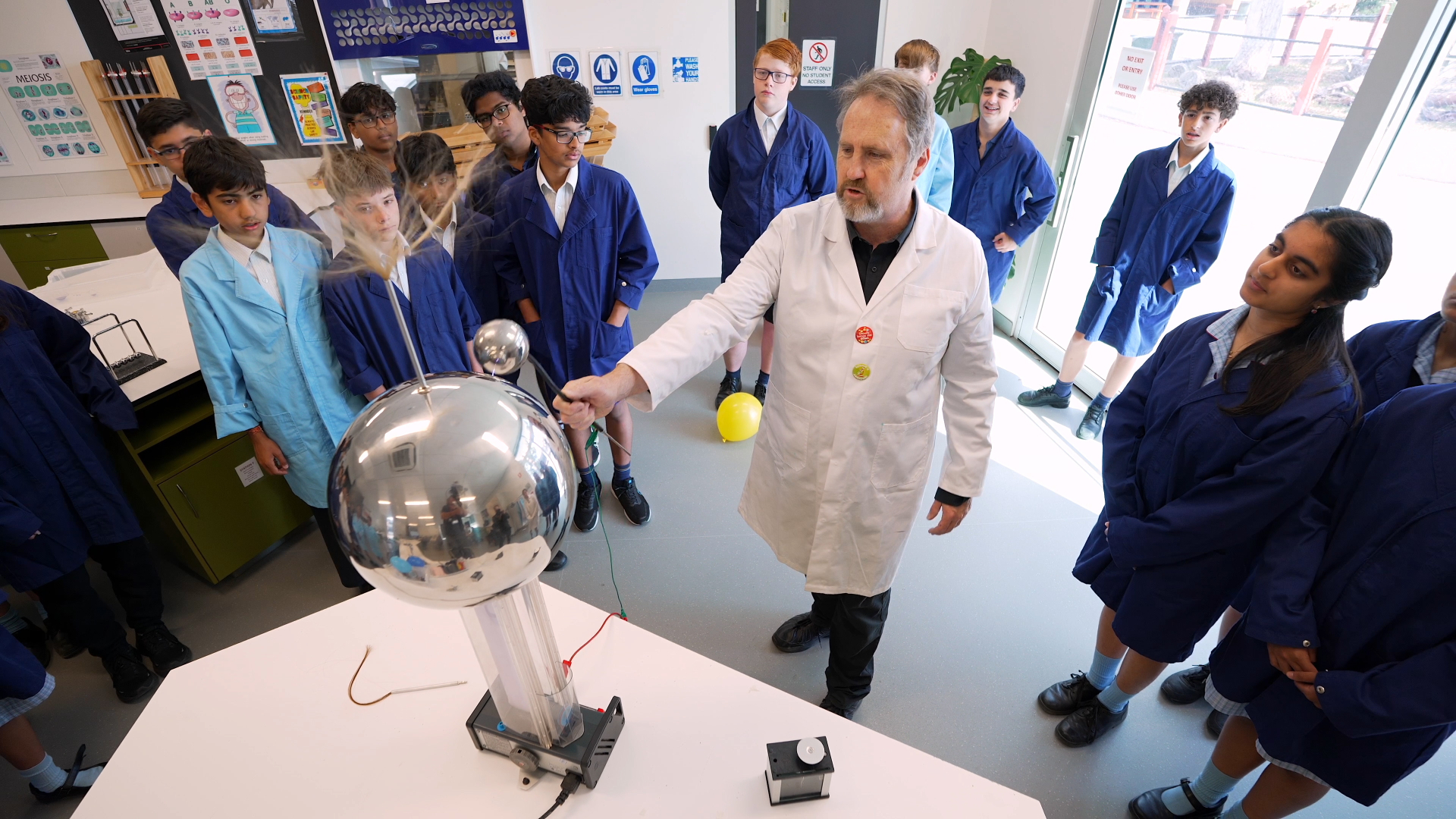
The Marymede Instructional Model provides a clear, structured approach to teaching and learning, ensuring every student is supported to understand, practise and apply their learning with confidence. Through consistent, evidence-informed practice, we create classrooms where all students can thrive.

Supporting Differentiated Learning

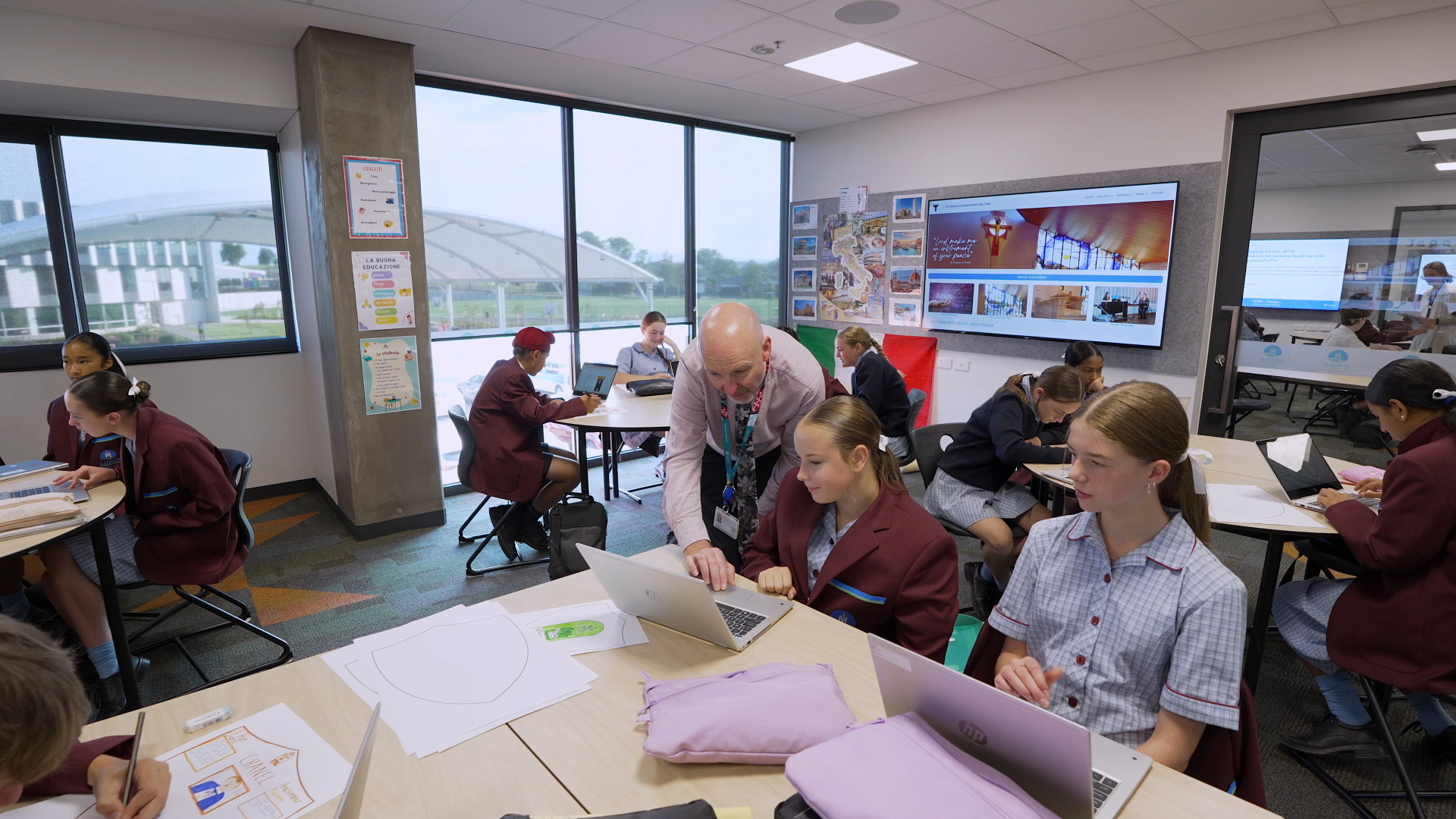
At Marymede Catholic College, our approach to learning is guided by the Marymede Instructional Model - a clear and consistent framework that supports high-quality teaching and helps every student succeed.

This model is based on evidence-informed practices and ensures that every lesson is carefully structured to support student understanding, engagement and long-term learning. It provides a shared approach across the College, so students experience consistent, supportive and effective teaching in every classroom.

Marymede College

Critical Actions

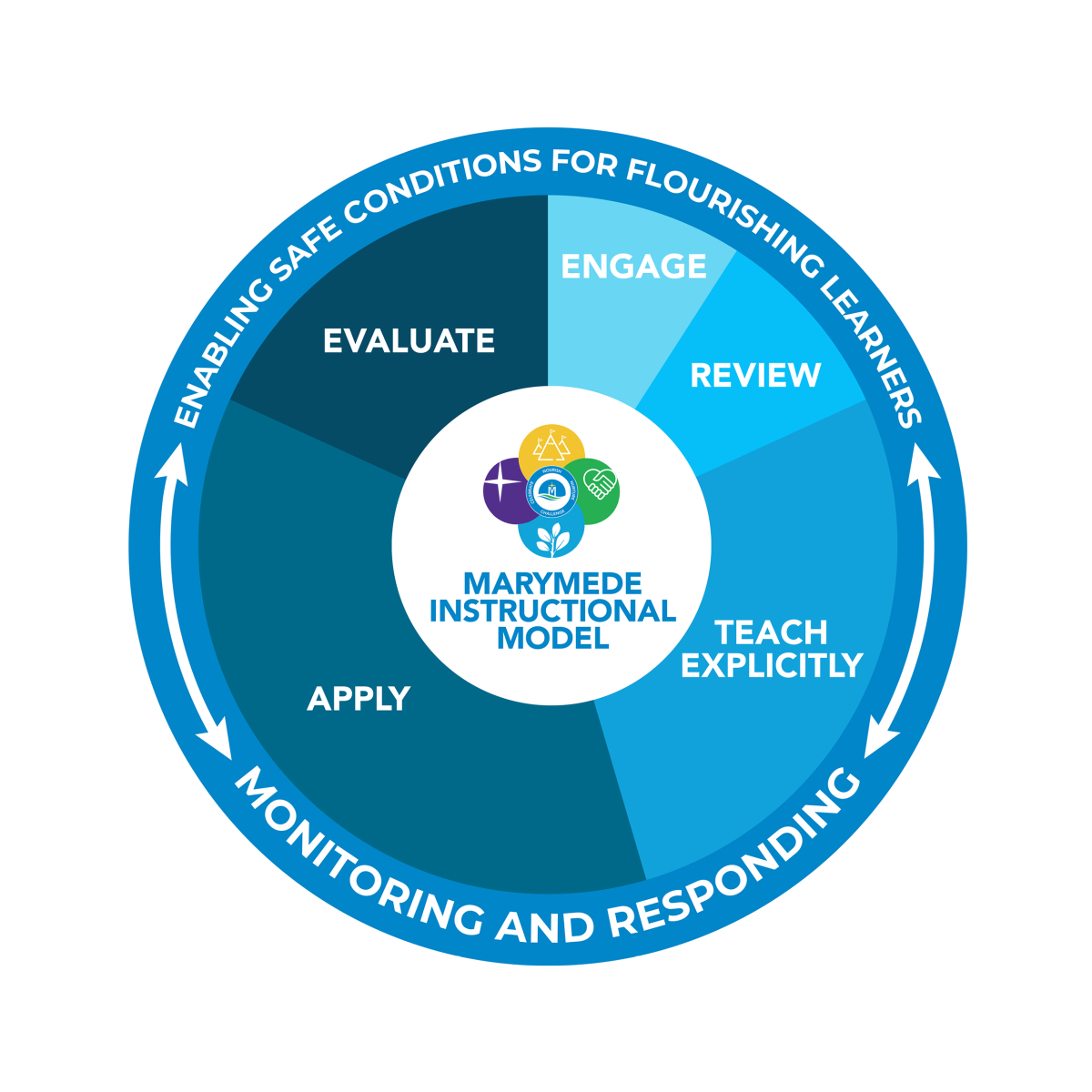
It is essential that the critical actions of Enabling Safe Conditions for Flourishing Learners and Monitoring and Responding are consistently implemented throughout every phase of the Marymede Instructional Model.

  • Enabling Safe Conditions for Flourishing Learners provides a safe, focussed and supportive learning environment.
  • Monitoring and Responding involves continually observing student learning behaviours, monitoring understanding, offering timely feedback.and responding by adjusting the lesson for the class or individuals accordingly.
Growth

Enabling Safe Conditions for Flourishing Learners

Critical Action One

Enabling Safe Conditions for Flourishing Learners is a Critical Action within the Marymede Instructional Model that creates a learning-focused environment. Effective teachers communicate and act in ways that foster social and cultural inclusion and positive relationships to facilitate belonging.

Why is this important? 

“The actions teachers take to create an environment that supports and facilitates both academic and social-emotional learning”. (Evertson & Weinstein, 2006)

Effective classroom management creates an inclusive and safe environment that promotes respectful and positive relationships and impactful teaching and learning.

Effective whole-school approaches that are consistent, proactive and positively framed such as PB4L can increase positive student behaviour, reduce negative behaviour and improve learning outcomes.

Arranging and organising the physical space so all students can see, hear, move freely, and engage to maximise learning and allow for active supervision.

next-icon LEARN MORE
Responding

Monitoring and Responding

Critical Action Two

Monitoring and Responding are Critical Actions within the Marymede Instructional Model because we cannot directly observe learning – rather, we have to elicit evidence of it by checking for understanding. When we check for understanding, we can clarify what our students know and understand, check for misconceptions and gather information about students’ Zone of Actual Development. We can then respond with feedback in a way that moves learners forward and helps to make informed decisions about their next steps.  This will help ensure that each learner is working within their Zone of Proximal Development.  

Why is this important? 

“Teaching is a contingent activity. We cannot predict what students will learn as a result of any particular sequence of instruction. Formative assessment involves getting the best possible evidence about what students have learned and then using this information to decide what to do next “(Wiliam, 2011)

Students construct meaning from the content based on their individual schemas and prior experience. This can result in varied interpretations of the knowledge and skills being taught, which may not always accurately reflect the intended learning outcomes. As a result, it is important to regularly monitor the learning and respond to misconceptions.

next-icon LEARN MORE

Five Key Phases

The model consists of five key phases: Engage, Review, Teach Explicitly, Apply and Evaluate.

1

Engage

Phase One

The Engage phase of the Marymede Instructional Model focuses on capturing students' interest and preparing them to learn. During this phase, the teacher uses purposeful strategies to hook students into the learning and ensures that the classroom environment is calm, with all learners focused and ready to participate.

Why is this important?

John Hattie (2023) suggests that the opening minutes of a lesson are critical for activating prior knowledge, clarifying the purpose of the lesson, and establishing a positive learning climate. Setting the purpose early helps students engage more effectively with the learning to come.

The Engage phase is important because it sets the tone for the entire lesson. By sparking curiosity and ensuring students are mentally and emotionally ready to learn, teachers create a calm, focused, positive learning environment where students are more likely to be attentive, motivated, and successful in achieving the lesson goals.

"We must support students to be safe, calm and ready to learn, so that they can engage, learn and grow." - Brunzell, Stokes, & Waters (2016), Berry Street Education Model

Timing:

This phase, in conjunction with the ‘Review’ phase should account for approximately 10 – 15% of your lesson. Although this is an ideal time guide, it is important to be flexible and adaptive to your class needs. 

next-icon LEARN MORE
2

Review

Phase Two

The Review phase of the Marymede Instructional Model focuses on asking students to recall prior learning. This strengthens their understanding by reinforcing connections between concepts, enhancing fluency and supporting the transfer of knowledge into long-term memory. Retrieval also plays a vital role in uncovering gaps and misconceptions in their learning.

During this phase, the teacher uses purposeful strategies to use spaced, interleaved, and retrieval practice to revise previously taught knowledge and skills in order to ensure that our students consolidate their understanding and cement the changes to their long-term memory.

Why is this important?

The review phase is vital because it strengthens memory, prevents forgetting, and helps students make meaningful connections between prior knowledge and new learning. Developing extensive and well-connected knowledge is essential because by strengthening memory, it makes new learning easier and supports problem-solving. Regular rehearsal and review build strong networks of ideas (schemas) in long-term memory. One of the key goals of education is to ensure students have rich background knowledge that is readily available for use.

“Learning is altered by the act of retrieval itself. Every time a person retrieves knowledge, knowledge is changed, because retrieving knowledge improves one’s ability to retrieve it in the future” - Karpicke, 2012

“Students need to practise retrieving new material from memory in order to learn” - Rosenshine, 2019

Timing:

This phase, in conjunction with the ‘Engage’ phase should account for approximately 10 – 15% of the lesson. Although this is an ideal time guide, it is important to be flexible and adaptive to the class needs.

next-icon LEARN MORE
3

Teach Explicitly

Phase Three

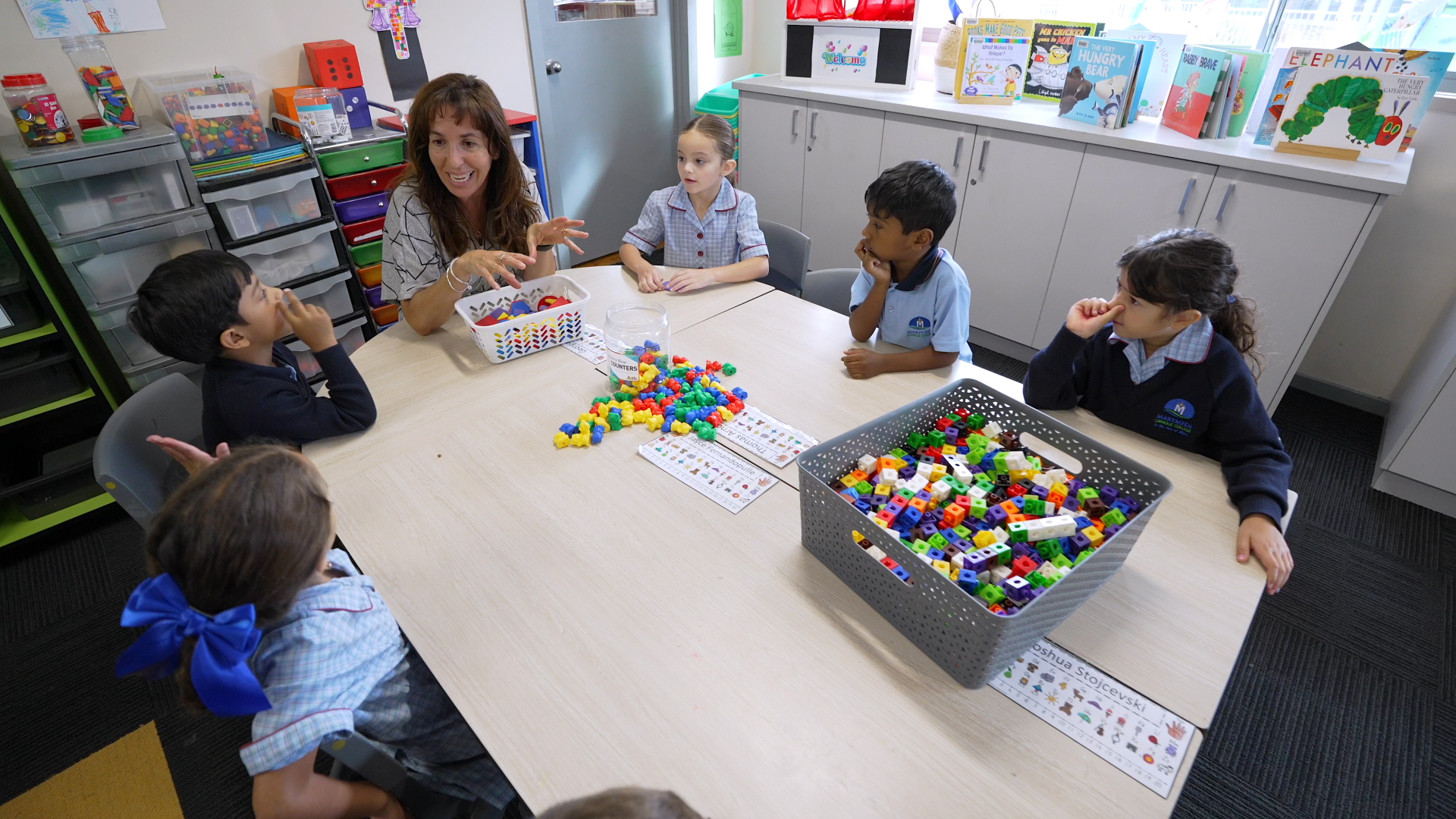
The Teach Explicitly phase of the Marymede Instructional Model is a structured approach where teachers fully explain the concepts and skills that students are required to learn. It focuses on breaking learning into manageable steps, using modelling and demonstration, ensuring active and successful participation from all students.

Explicit teaching is:

“Explicit instruction is a systematic, engaging and success-oriented teaching approach. It involves fully explaining and effectively demonstrating what students need to learn.” – AERO

“Explicit instruction involves breaking down the content of an area of learning, and providing comprehensive explanations, and step-by-step guidance until students are ready to demonstrate their leaming independently. – AERO

  • Designed to reduce cognitive overload, maximise learning an engagement
  • Delivering clear an structured instructions to create an accessible entry point including, supporting learning barners and promoting meaningful extension.
  • Builds rich content knowledge and subject-specific vocabulary, provides clear problem-solving and reasoning strategies, and includes Opportunities to Respond and checks for understanding.
  • Follows a gradual release of responsibilty, is grounded in skill-based curriculum requirements, and provides structted guidance to support student access.

What it isn’t?

  • Explicit teaching is not a process where students remain passive as they watch the teacher complete every step of a task without being asked to respond, question, or practice the skill.
  • it does not use unstructured, minimal-guidance, student-led approach when introducing new content.
  • It does not involve standing at the front after delivering content without activity checking for understanding.
  • Omitting Opportunities to Respond
next-icon LEARN MORE
4

Apply

Phase Four

Independent and collaborative practice strengthens learning by allowing students to apply new knowledge and skills. This promotes transfer of learning to new contexts and develops long-term understanding and mastery.

next-icon LEARN MORE
5 1

Evaluate

Phase Five

Ending a lesson with purposeful evaluation engages students in reflection upon their learning, helps determine the extent to which learning objectives have been met, provides an opportunity to address misconceptions and informs planning for the next steps in the learning process.

next-icon LEARN MORE

Why this matters for your child?

The Marymede Instructional Model ensures that:

  • Learning is clear, structured and purposeful
  • Students are actively engaged and supported at every stage
  • Teachers respond to individual needs through ongoing feedback and adjustment
  • Students develop confidence, independence and deep understanding

By combining strong teaching practices with a focus on wellbeing and belonging, our approach supports students to grow academically, socially and emotionally, and to achieve their personal best.

Exploring options for your child's education?

Learn more about our enrolment process

Discover more